Los Alamos Mountaineers to hear canyon rescue and safety lesson
A Utah canyon fall and helicopter evacuation will be turned into a safety lesson for Los Alamos hikers. Reid Priedhorsky will show how fast a routine outing became a major rescue.
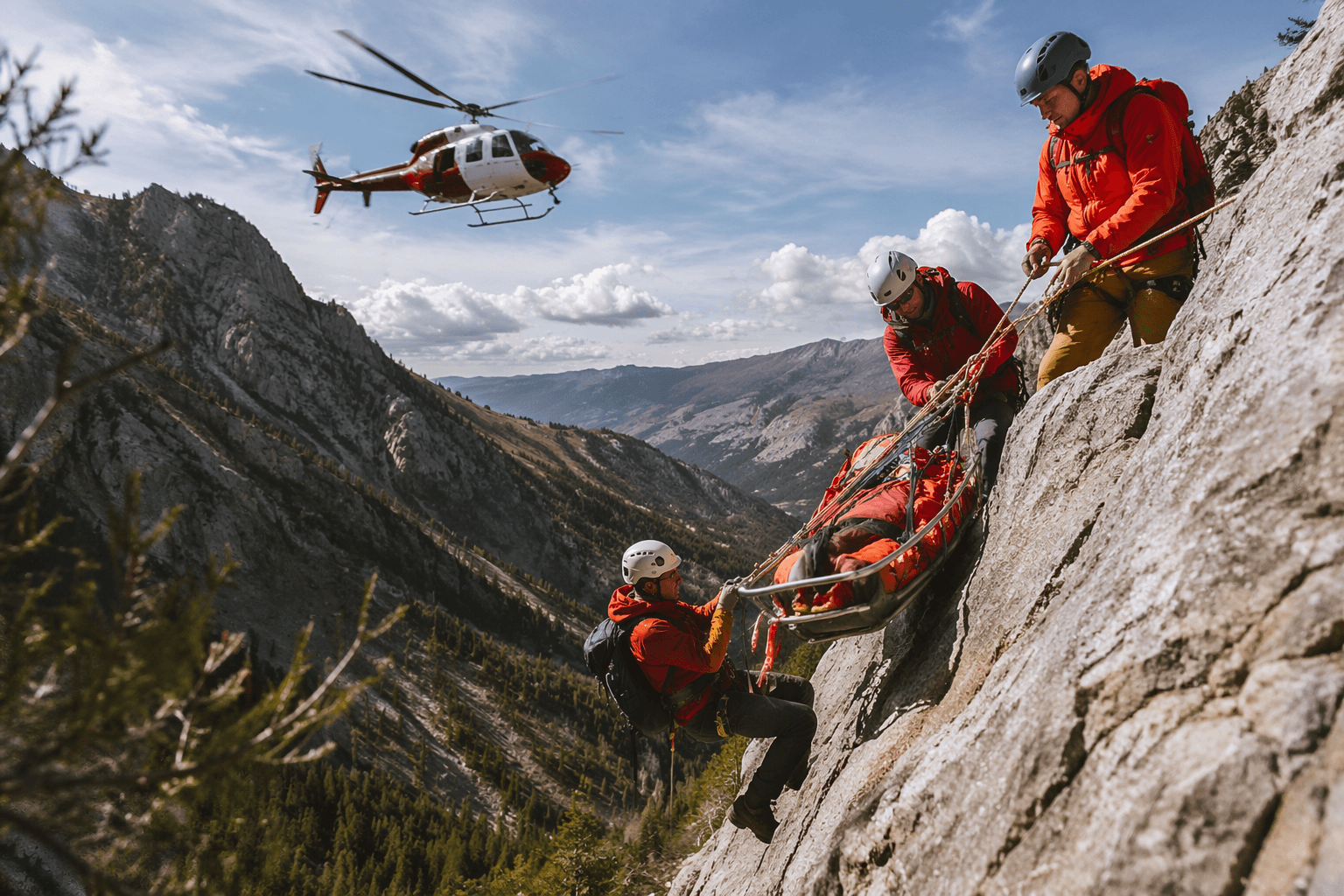
A 43-foot fall in Utah canyon country turned a hike into a helicopter evacuation, and that is exactly the kind of story Los Alamos hikers need to hear before they head back onto local trails. The Los Alamos Mountaineers will use their June 23 meeting to hear Reid Priedhorsky recount the accident, the rescue, and the judgment calls that can separate an ordinary outing from a serious backcountry emergency.
Why this talk matters for Los Alamos trail users
The value of Priedhorsky’s account is not just that it is dramatic. It is a practical reminder that canyon terrain does not forgive mistakes, and that a small misstep can become a major rescue when help is far away. For people in Los Alamos County who hike, scramble, backpack, and explore rough terrain, the lesson lands close to home because the same habits that keep a day on the trail uneventful also matter when conditions turn bad.
Canyon-country travel remains popular across Northern New Mexico, and Los Alamos has an especially active outdoor culture. That makes a firsthand story about survival and evacuation more than a club program. It becomes a public-safety briefing in plain language, one that can sharpen how residents think about route choice, preparation, and what to do when an outing stops being routine.
What happened near Cheesebox Canyon
The incident took place on October 24, 2025, while Priedhorsky was hiking near Cheesebox Canyon in southwest Utah. He fell 43 feet and suffered major injuries, including a smashed L3 vertebra and pelvis. Those are the kinds of injuries that quickly end a self-rescue option and turn the response into a race against time.
That detail matters because backcountry safety is often discussed in abstract terms until a fall, slip, or bad landing makes the consequences concrete. A canyon setting adds another layer of difficulty: steep rock, limited access, and the reality that an injured hiker may be stranded in terrain where a normal trail rescue is impossible. In that setting, the difference between a manageable emergency and a life-altering one can be measured in minutes, decisions, and how much risk the group has already accepted.
How canyon-country rescue unfolds
A helicopter evacuation is a vivid reminder that rescue in canyon country is rarely simple. Even when a patient is found quickly, responders still have to reach the location, assess the injuries, and decide whether ground transport is safe or whether air evacuation is the only practical option. In rough terrain, that decision can hinge on whether the injured person can move at all, whether the route out is passable, and how long it would take to reach ordinary medical care.
For hikers, that means the rescue begins long before the helicopter arrives. It begins with the decisions made at the trailhead, the route chosen, the pace set, and whether the group is prepared for a sudden change in conditions. Priedhorsky’s story is useful precisely because it shows that rescue is not a separate event from recreation. It is part of the same risk equation from the moment a person steps into canyon country.
The safety lessons local hikers should take seriously
The strongest takeaway from this story is that preparation has to match the terrain, not the confidence level of the people on the trail. Canyon travel demands honest judgment about distance, exposure, and how quickly a simple outing can become a serious emergency. A route that looks manageable on a map can become a very different proposition once someone is hurt and movement is limited.
The practical lessons are clear:
- Treat canyon routes as remote terrain, not as casual walks.
- Leave room in your plan for injury, delay, and a much slower exit than expected.
- Travel in a way that assumes help may be far away, not around the corner.
- Make decisions that reduce the chance of a fall before fatigue, weather, or terrain pressure starts to build.
That kind of caution is not alarmist. It is the difference between respecting the landscape and underestimating it. Priedhorsky’s account gives local hikers a rare chance to hear from someone who lived through a worst-case scenario and can speak to what mattered when the outing stopped being about scenery and became about survival.
What the Mountaineers meeting will offer
At the June 23 meeting, the Los Alamos Mountaineers will host Priedhorsky for a presentation titled, “How to win 37 pieces of flair via helicopter evacuation from the canyon country, or, perhaps: How not to.” The title signals the tone of the evening: part adventure story, part hard-earned warning, and part firsthand look at how a serious emergency unfolds.
For a community that spends a lot of time outdoors, that combination is useful. It gives local hikers a concrete reminder that the backcountry does not need to be extreme to be dangerous, and that one fall near Cheesebox Canyon can carry lessons all the way back to Los Alamos.
This article was produced by Prism’s automated news system from verified source data, official records, and press releases, then run through automated quality and moderation checks before publishing. The system is built and supervised by the people who set the standards it runs under. Read our full AI policy.
Did this article answer your question?