Los Alamos Nature Center marks decade as downtown gateway to the outdoors
The Los Alamos Nature Center is more than a landmark: it is the county’s downtown starting point for trails, exhibits, and a decade of outdoor orientation.
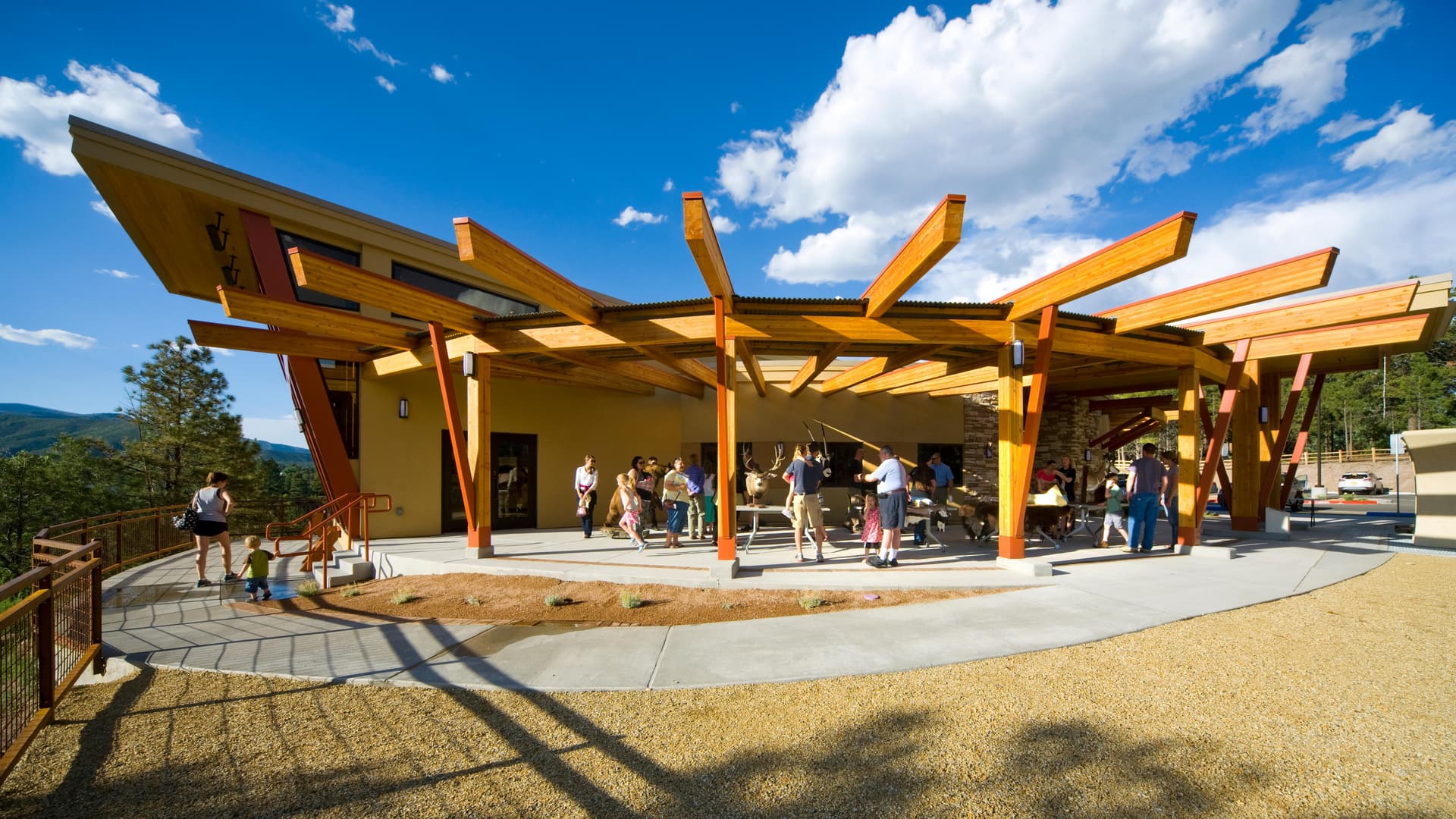
The Los Alamos Nature Center opened on Earth Day, April 22, 2015, on Canyon Road at the edge of Pueblo Canyon, steps from downtown. It helps residents and visitors read the landscape, find trails, and understand why Los Alamos developed around the Pajarito Plateau rather than beside it.
A county project built for public use
Los Alamos County voters approved using Capital Improvement Project funds for the nature center in 2012, then awarded Pajarito Environmental Education Center the contract to operate it. The county finished construction on the $4.3 million facility in 2015. PEEC calls it an award-winning showpiece.
The building was designed by Mullen Heller Architecture P.C. and constructed by Klinger Constructors, with an aerial view that resembles a dragonfly. It sits on Canyon Road at the edge of Pueblo Canyon, where the building’s placement gives it both canyon views and immediate access to downtown Los Alamos.
In a town where land use, access, and public space are tightly intertwined, the nature center is not isolated from daily life or tucked away as a stand-alone attraction. It sits within walking distance of the Los Alamos History Museum and the Bradbury Science Museum.
What the center gives families and visitors
Inside, the nature center functions as a compact orientation hub for the county. It includes a full-dome planetarium, a wildlife observation room, indoor and outdoor play areas, and interactive exhibits focused on the canyons, mesas, mountains, and skies around Los Alamos. The exhibits give families a way to move from a downtown visit into a broader understanding of the local landscape.
The visitor spaces are built around direct experience rather than passive display. People can browse the demonstration gardens, let children use the nature play area, study the 3-D topo map of the area, and pick up practical guidance for what to do next. That makes the center especially useful for new residents, visiting relatives, school groups, and anyone who wants a clear starting point before heading into the open space system.
The planetarium is one of the building’s most distinctive features. The dome is 30 feet across and seats 50, with live star talks and multimedia shows that connect the town’s mountain setting to the night sky above it.
Why it matters beyond the doors
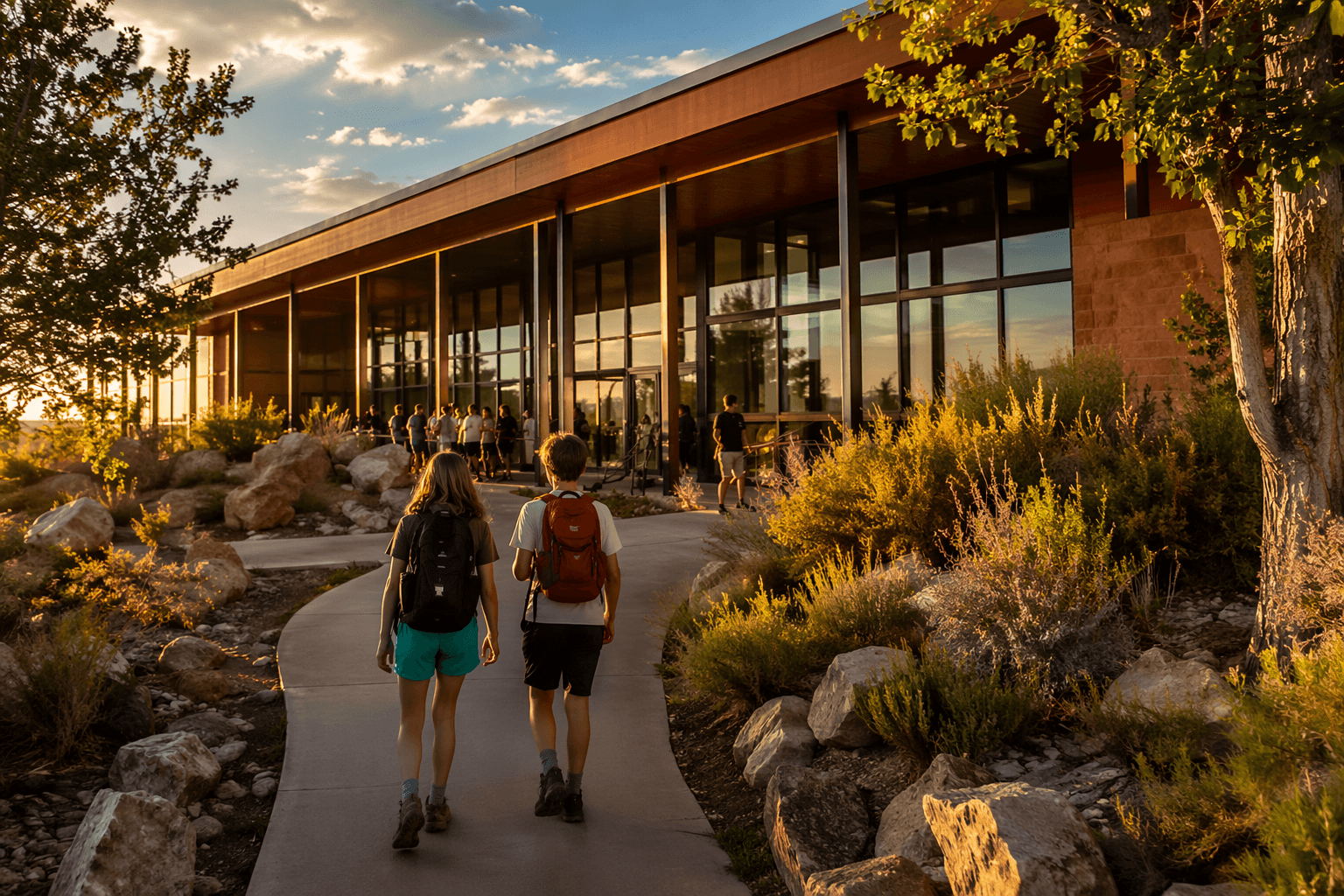
Visitors can leave the building and go looking for a trail. PEEC’s trail guide lists the Los Alamos County Open Space System at more than 5,000 acres of public land spread through Los Alamos and White Rock, with almost 60 miles of trail for hikers, bikers, and horseback riders. The center helps turn that network from a map into something people can actually use.
The building gives families a place to learn local ecology, understand the county’s open space, and choose routes that fit their time and ability. It also helps direct tourism flow, steering people from downtown into the trail system without requiring them to guess where to start or how the Plateau connects to the town around it.
The Passport to the Pajarito Plateau program makes that orientation concrete. PEEC launched it on April 23, 2016, as a trail challenge built around rubbings at designated posts. Participants earn prizes after 2, 5, 8, and 12 trails, with an extra reward for completing all 16. The format is simple, but it gives residents and visitors a structured way to move through the county’s open space while learning the names and locations of the trails themselves.
A decade of use, not just a decade of existence
By 2025, PEEC marked the center’s 10th year with a note of gratitude and a reminder that the building has welcomed people from around the country and the globe since opening.
It is close enough to downtown for a quick stop, but positioned high enough on the canyon edge to give people a direct look at the land that shapes the county’s trails, science culture, and outdoor habits.
This article was produced by Prism’s automated news system from verified source data, official records, and press releases, then run through automated quality and moderation checks before publishing. The system is built and supervised by the people who set the standards it runs under. Read our full AI policy.
Did this article answer your question?