Los Alamos project manager designs compact homes with community in mind
A 900-square-foot Sayeda-designed home shows how Los Alamos County is testing compact housing. Her role links design choices to affordability, space, and neighborhood character.

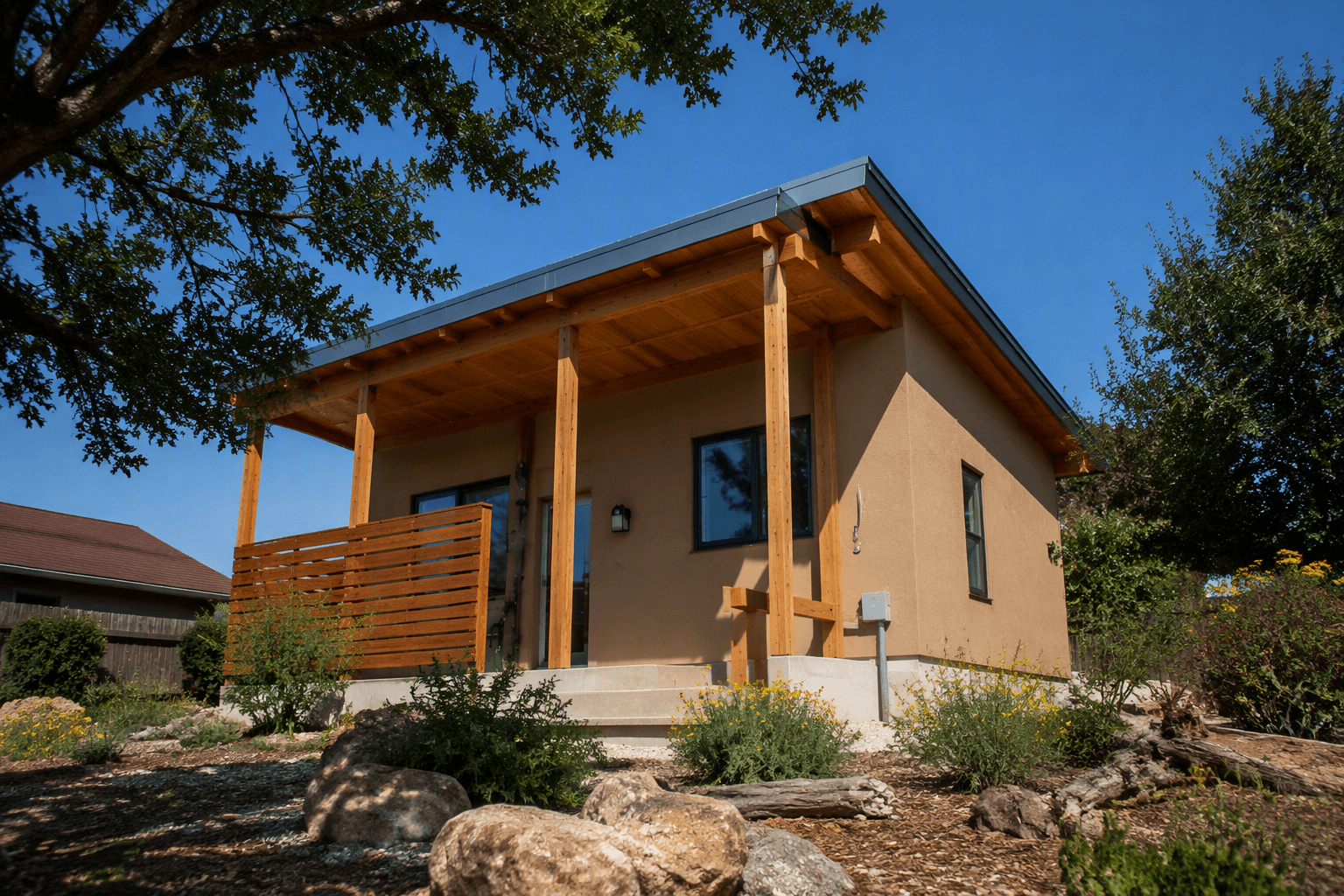
Sobia Sayeda’s 900-square-foot, two-bedroom, stand-alone home design is small by suburban standards. In Los Alamos County, it sits inside debates over density, privacy, and how new homes fit into established areas.
How a small home becomes a public decision
The homes tied to Sayeda’s work are not multi-unit buildings stacked together behind a common wall. They are stand-alone houses, designed in a compact footprint that suggests careful use of land and a deliberate response to local housing pressure. In Los Alamos County, that combination raises questions of density, privacy, and how new homes fit into established areas.
In Los Alamos County, a 900-square-foot house sits inside larger conversations about how to add housing without overwhelming the places people already know, from Los Alamos to White Rock and redevelopment areas such as East Downtown Los Alamos.
Where Sayeda fits inside county government
Los Alamos County’s staff directory includes Sobia Sayeda, and in a LinkedIn post she wrote, “I am pleased to announce that I have stepped into a new role at Los Alamos County, I am joining Public Works Department as a project manager beginning this week.” Her LinkedIn profile also describes her as a project manager who has worked on a diverse array of large and small scale design and construction projects.
A County of Los Alamos agenda result also lists Planning Manager Sobia Sayeda in a meeting context. In Los Alamos, a housing idea often has to move through design, permitting, infrastructure review, and community scrutiny before it turns into something people can live in.
How county housing work actually moves
Los Alamos County already has a public housing-development framework, along with housing-plans-and-data pages on its official website. The framework connects design decisions to broader goals like affordability, redevelopment, and long-term livability.
A December 2019 county housing analysis listed Paul Andrus as Community Development Director, Joanie Ahlers as Economic Development Administrator, Andrew Harnden as Housing and Special Projects Manager, Ryan Foster as Principal Planner, and Michael Arellano as Building Safety Manager among the staff involved in housing work. Housing moves through departments that touch land use, safety, planning, and development.
A separate County of Los Alamos agenda item states that a project was based on building entry-level and affordable housing and references the Los Alamos Housing Partnership. County leaders are asking not only what can be built, but also who can afford it and how the housing pipeline connects to local partners.
Why affordable housing keeps coming back
On 2024-12-11, Los Alamos County published a housing-related news item about partnering with The Housing Trust to address affordable housing needs.
The county is working on housing from multiple angles at once: planning, redevelopment, partnerships, and project delivery. In a place with limited land and strong expectations about how neighborhoods should look and function, compact single-family homes are one answer among several.
What residents can read in Sayeda’s work
Sayeda’s profile puts a person behind the process. County projects often feel abstract until a plan turns into a house, a street improvement, or a permit-ready design. Her work shows how a county employee can influence the built environment from the first drawing to the last round of project coordination.
For Los Alamos County, the question is whether compact homes can help the county respond to housing pressure while preserving the character of places people already value. Sayeda’s design suggests one path forward: smaller homes, carefully sited, with enough flexibility to fit the county’s limited space and long-term planning needs.
This article was produced by Prism’s automated news system from verified source data, official records, and press releases, then run through automated quality and moderation checks before publishing. The system is built and supervised by the people who set the standards it runs under. Read our full AI policy.
Did this article answer your question?