Los Alamos remains at 60% of normal precipitation this year
Los Alamos is running at 60% of normal precipitation, and the dry stretch is already showing up in Stage 2 fire limits, bear activity and wildlife rescues.

Dry conditions are already reshaping life in Los Alamos County, where precipitation stood at just 60% of normal for the year as of June 15. That shortfall is more than a weather statistic in a place built around canyons, public lands and outdoor access, because it feeds directly into fire danger, habitat stress and the strain on local rescue networks.
The dry picture widened across New Mexico in May, when Gov. Michelle Lujan Grisham declared drought and severe fire conditions statewide. Her order cited the lowest snowpack, highest temperatures and lowest runoff levels in recorded history during the winter of 2025-2026, and said 94% of the state was experiencing some level of drought. In Los Alamos County, the response followed quickly: the Los Alamos Fire Department moved the county to Stage 2 fire restrictions effective May 28 because of ongoing dry conditions and prevailing high winds.
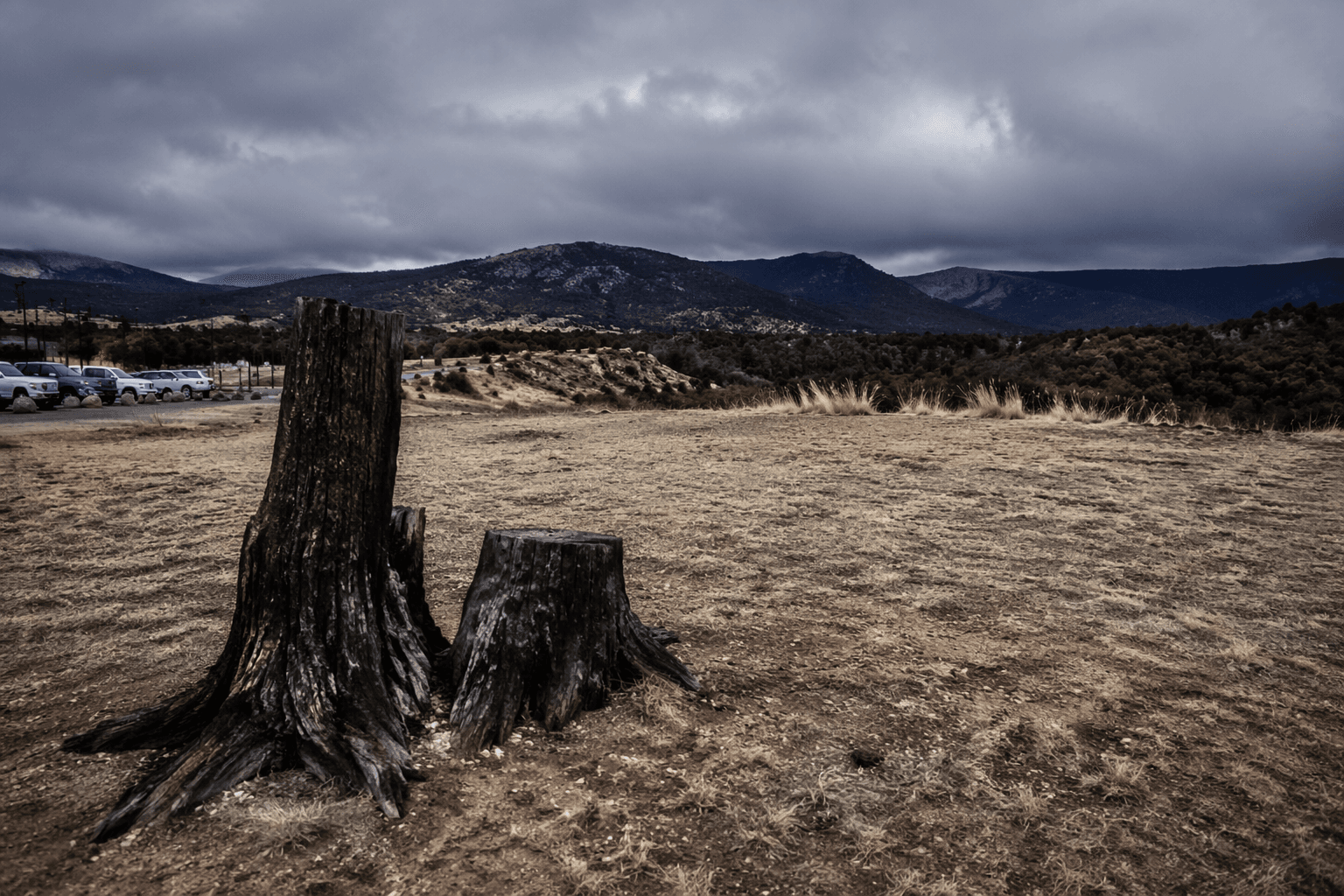
That combination matters for more than just flames. In a county where dry slopes and high winds can turn small mistakes into bigger hazards, residents are being asked to think more carefully about recreation, roadside sparks and what is happening around their homes. The precautions are especially important in a summer that is already testing public readiness before the hottest months are fully here.
The wildlife impacts are showing up too. Pajarito Environmental Education Center says Los Alamos County is home to the New Mexico black bear, the state animal, and notes that bears are opportunistic omnivores drawn toward human food sources. In practical terms, that means wildlife feeders, garbage and other easy meals can pull bears into town, raising the risk of conflict on trails and in neighborhoods.
That pressure lands on the New Mexico Wildlife Center in Española, which was founded in 1986 by local veterinarian Dr. Kathleen Ramsay and says it depends on individual donations, business contributions, grants and volunteers. A June 2026 report said baby season was in full swing and that the center was treating a wide mix of animals, from birds and bats to snakes and herons. When dry weather stresses habitats and pushes animals closer to people, that rescue system becomes another local capacity question, not just an animal welfare issue.
For Los Alamos, the numbers point to a simple reality: the county is still running dry, and the effects are already moving from the forecast into daily life. Keeping garbage secured, removing wildlife feeders and treating fire restrictions seriously are now part of how residents help the county avoid adding pressure to an already strained season.
This article was produced by Prism’s automated news system from verified source data, official records, and press releases, then run through automated quality and moderation checks before publishing. The system is built and supervised by the people who set the standards it runs under. Read our full AI policy.
Know something we missed? Have a correction or additional information?
Submit a Tip