Los Alamos residents question lamp post cameras on Trinity, Diamond drives
New lamp-post cameras on Trinity and Diamond drives are drawing questions about who approved them, what they record and how long the data stays in the system.
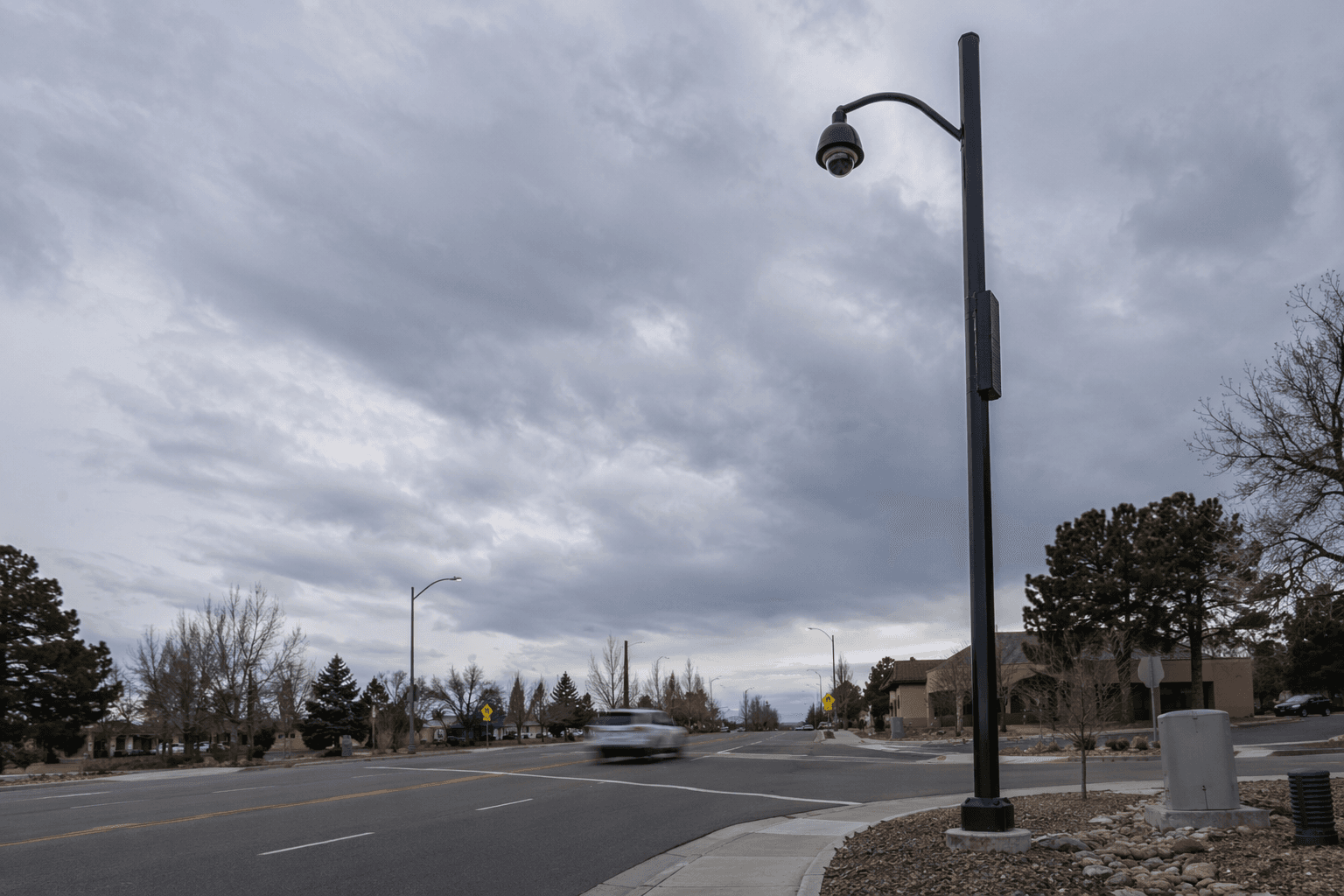
A new cluster of cameras mounted on lamp posts along Trinity Drive and Diamond Drive has pushed surveillance, privacy and public oversight to the center of a local debate in Los Alamos County. Residents are asking whether the devices are automatic license-plate readers, who authorized them, what information they capture and how long the footage or plate data will be retained.
The distinction matters because Los Alamos County already operates traffic cameras. In 2022, the county Traffic and Streets Division reported 18 cameras in town, mostly at signalized intersections, with additional locations at Airport Road, Camino Entrada and the Diamond Drive roundabout. The newer lamp-post units appear to be something different: fixed surveillance cameras that may be Flock Safety devices or cheaper knockoffs, placed in plain view along two of the county’s busiest corridors.
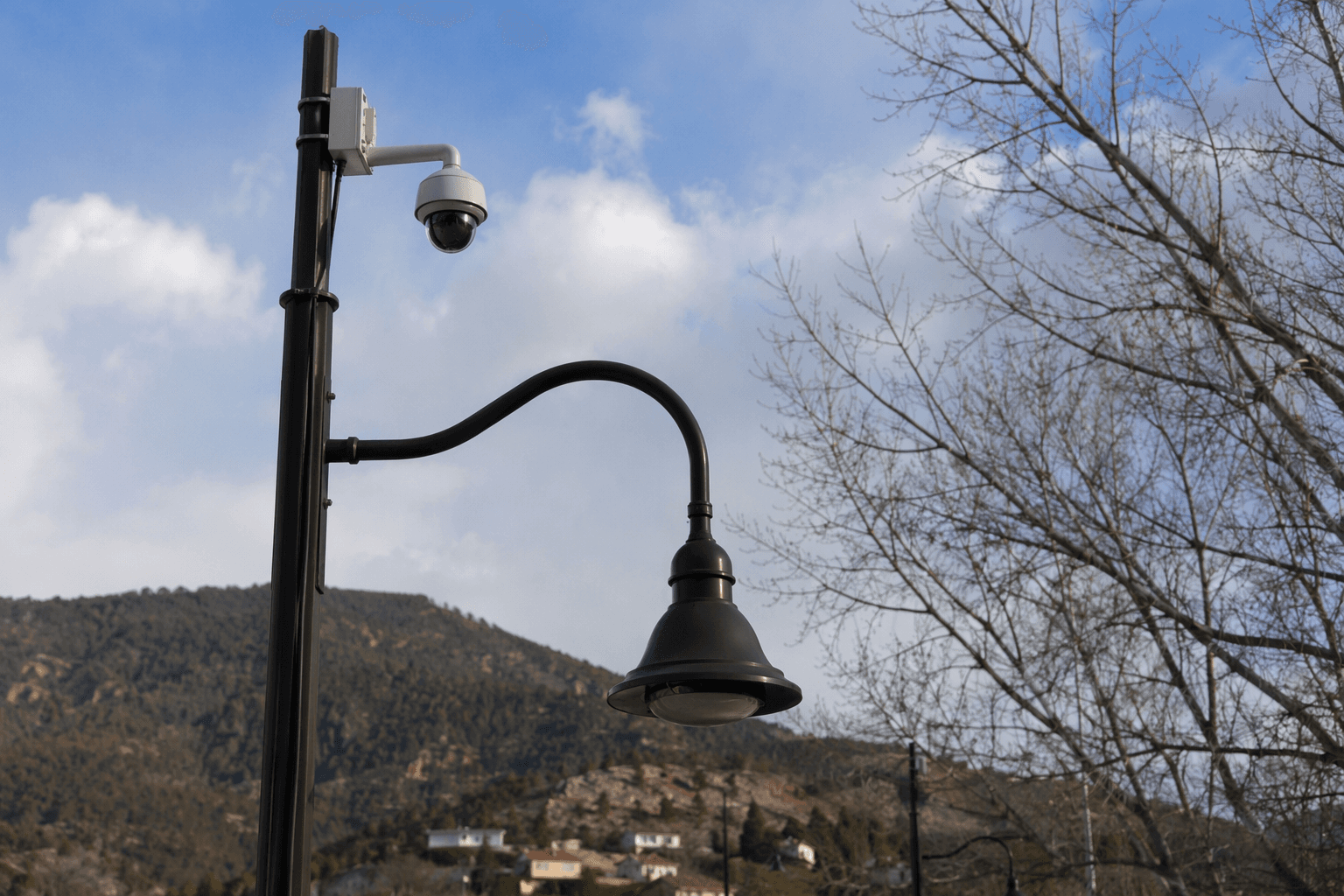
That visibility has sharpened the concern. Trinity Drive and Diamond Drive carry daily traffic to Los Alamos High School, county offices, businesses and residential neighborhoods, and the camera network sits where many drivers, pedestrians and cyclists pass every day. The issue is not simply whether the county needs more security tools. It is whether any new system comes with written limits, a public explanation and clear oversight before the technology becomes routine.
The policy fight is playing out against a broader New Mexico debate over automatic license-plate readers. The ACLU of New Mexico says ALPR systems record the time, date and GPS location of each captured plate image and store the information in a database. The group has backed SB 40, the Driver Privacy and Safety Act, which would require that ALPR records for people not suspected of a crime be deleted within 30 days unless there is a warrant.
That legislation was introduced after reports that out-of-state entities accessed New Mexico ALPR data for immigration-related tracking and for tracking people seeking abortion services. KRQE has also reported on privacy concerns tied to ALPR use and on criticism that data has been stored too long. For Los Alamos, those statewide concerns now intersect with a very local question: who is watching the roads through town, and under what rules?
The Trinity corridor has already seen repeated transportation-related work. On Dec. 8, 2021, traffic electricians were scheduled to install new traffic cameras at the Trinity Drive and Diamond Drive intersection, and on March 17, 2026, pedestrian refuge island modifications west of 35th Street on Trinity were set to begin. Together, the projects show how quickly roadside hardware can accumulate. Once installed, a surveillance network can be hard to roll back, which is why residents are pressing for answers now, before the cameras become a permanent part of the streetscape.
This article was produced by Prism’s automated news system from verified source data, official records, and press releases, then run through automated quality and moderation checks before publishing. The system is built and supervised by the people who set the standards it runs under. Read our full AI policy.
Did this article answer your question?