Los Alamos talk aims to reduce stigma around serious mental illness
Myths about schizophrenia, bipolar disorder and PTSD drew a noon forum at the Unitarian Church, where NAMI leaders said stigma still keeps families quiet.

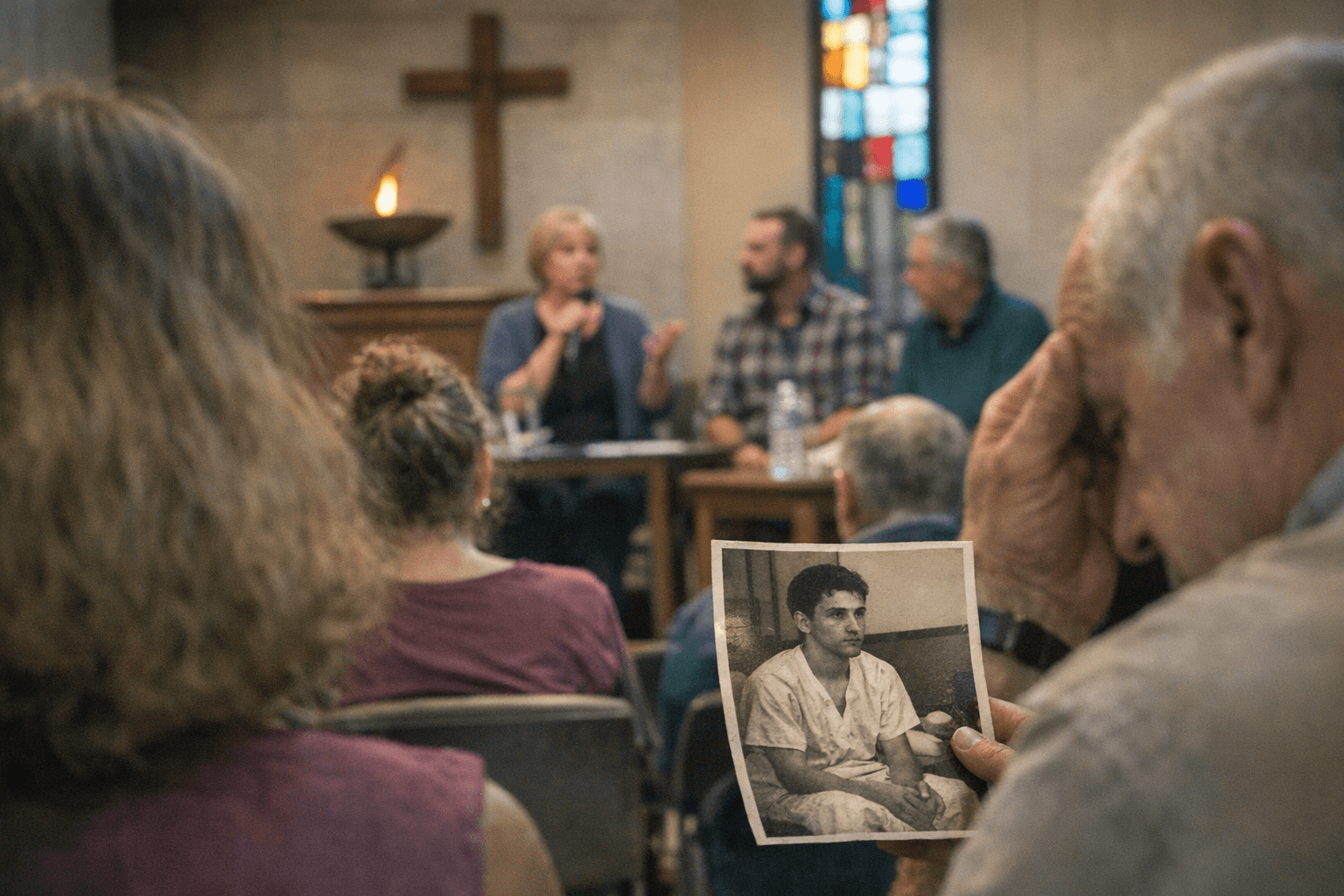
Myths about schizophrenia, schizoaffective disorder, bipolar disorders I and II, PTSD, OCD and borderline personality disorder can keep families quiet long after symptoms appear, and a Sunday forum in Los Alamos pushed back against that silence. The discussion, Beyond Depression: Understanding Serious Mental Illness and Supporting Individuals and Families, began at noon at the Unitarian Church of Los Alamos on North Sage Street.
The speakers were Betty Sisneros Shover, executive director of NAMI Santa Fe, and Jonathan Gordon, M.D., the group’s board president. Gordon, a Santa Fe family medicine physician with more than 20 years in practice, said the aim was to help residents understand the myths and stigma that can keep families from recognizing symptoms or knowing how to respond. He also emphasized a point that often gets lost in public conversation: many people living with mental illness function well in society, at work and in family life.
That message mattered in a county where high-achievement routines can make it easy to hide distress. The Forum program at the Unitarian Church says it “endeavors to educate the public about issues that affect the community,” and this talk fit that mission squarely. It was sponsored by Dr. Tyler Taylor and the Forums Team, adding another local layer to a conversation that touched parents, students, coworkers and caregivers alike.
The event covered conditions that are often misunderstood precisely because they are not all the same. NAMI Santa Fe says it provides free education and support programs for families, caregivers and individuals living with mental illness, while NAMI New Mexico offers no-cost support, online groups, resources and education statewide. NAMI New Mexico also says 1 in 5 people live with a mental health condition, a reminder that serious mental illness is not rare or remote.
The local stakes are practical as well as social. Los Alamos County’s 2024 State of the County report says the county adopted a Comprehensive Health Plan in December and set a health and wellbeing priority focused on improving access to behavioral, mental and physical health and social services. The Los Alamos Mental Health Access Project points residents to local screening tools, the New Mexico Crisis and Access Line and teen text-line support, framing the issue as one of access as much as awareness.
Shover has been publicly recognized in New Mexico behavioral health circles, including a 2022 Behavioral Health Star Award notice from NAMI Santa Fe, and a later church event described her as a NAMI trained facilitator in family education and support programs. In Los Alamos, where stigma can delay treatment for workers, parents and students, that kind of public conversation is one more step toward making care easier to reach and easier to name.
This article was produced by Prism’s automated news system from verified source data, official records, and press releases, then run through automated quality and moderation checks before publishing. The system is built and supervised by the people who set the standards it runs under. Read our full AI policy.
Did this article answer your question?