NASA asteroid mission scientist draws Los Alamos crowd to Bennu story
Bennu came to Duane Smith Auditorium as OSIRIS-REx lead Dante Lauretta described the 121.6 grams NASA brought back from the asteroid.
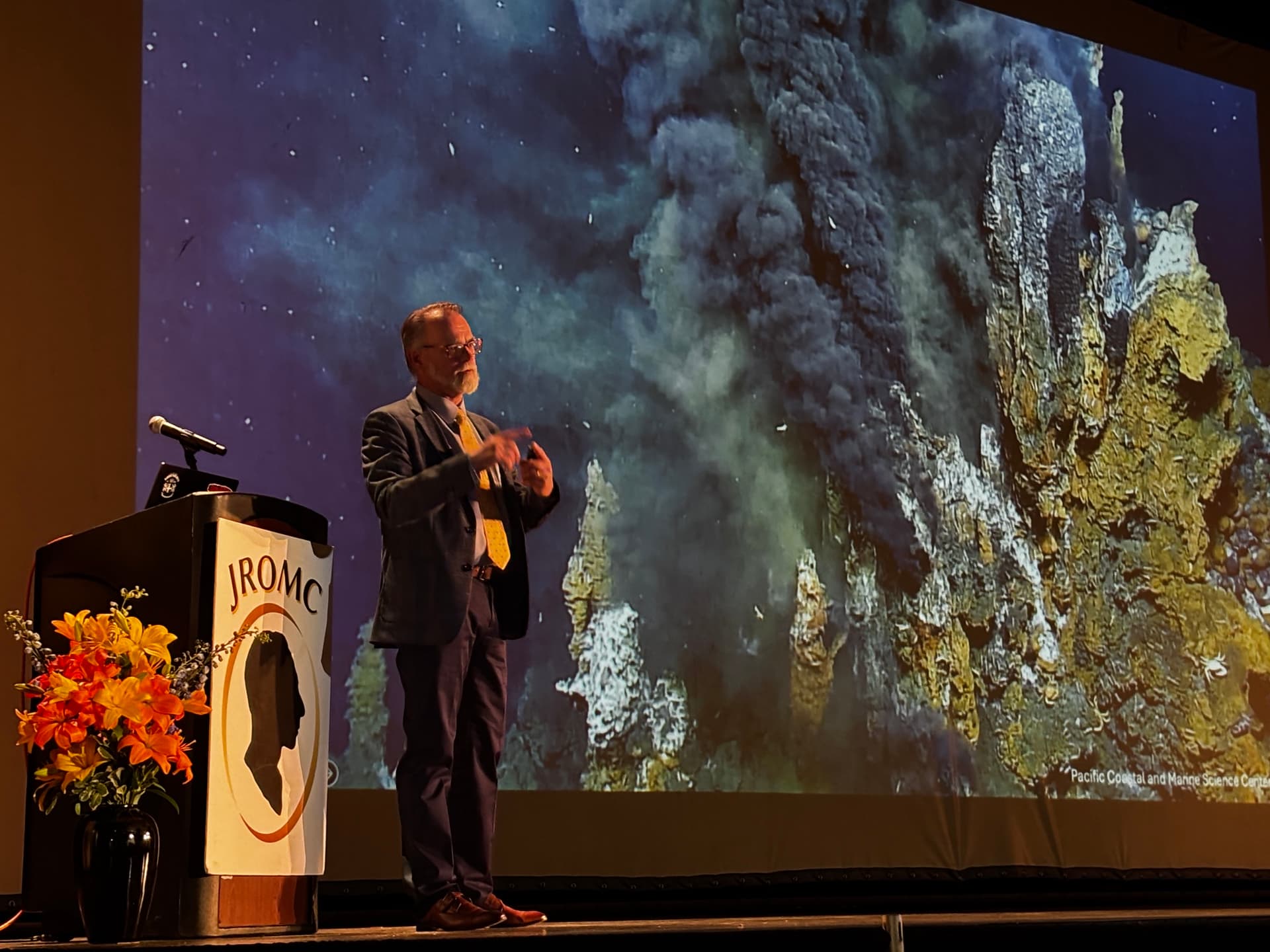
Dante S. Lauretta brought Bennu to Duane Smith Auditorium Monday evening, telling a Los Alamos crowd how NASA’s OSIRIS-REx mission collected 121.6 grams of asteroid material and returned it to Earth in 2023.
The sample surpassed NASA’s 60-gram goal, and the capsule landed in the Utah desert on Sept. 24, 2023, after material was collected from Bennu in 2020. NASA calls OSIRIS-REx the first U.S. mission to collect a sample from an asteroid, and the haul has become one of the mission’s defining milestones.

For Los Alamos, the lecture fit a civic tradition that has lasted more than five decades. Anna Llobet Megias, chair of the J. Robert Oppenheimer Memorial Committee, opened the event, and the committee says its memorial lecture series began in 1972 with George Kennan, the American diplomat and Pulitzer Prize winner. The group describes itself as a nonprofit that supports public lectures, scholarships and science-education outreach in Northern New Mexico.

Los Alamos National Laboratory’s June calendar listed Pat Fitch, the lab’s deputy director for Science, Technology and Engineering, as the person who introduced Lauretta. The evening also included a reception where attendees could meet the speaker and scholarship recipients, giving the program a local reach beyond the lecture itself.
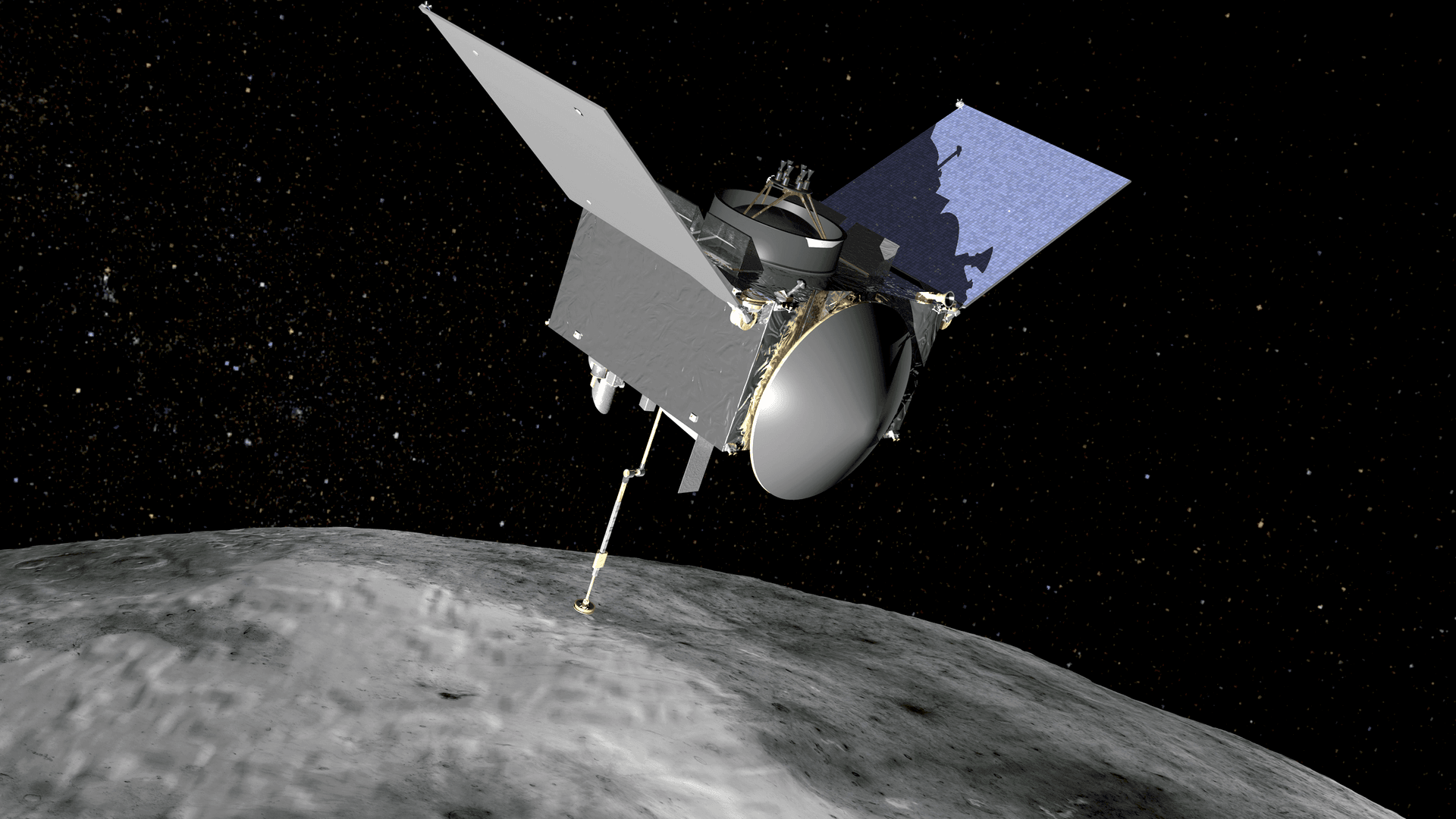
NASA says the Bennu material offers scientists a look back to the time when the Sun and planets were forming about 4.5 billion years ago. That made Lauretta’s visit more than a stop on a speaking circuit in Los Alamos: it connected a community built around research and education to a mission that returned untouched material from the early solar system.
This article was produced by Prism’s automated news system from verified source data, official records, and press releases, then run through automated quality and moderation checks before publishing. The system is built and supervised by the people who set the standards it runs under. Read our full AI policy.
Did this article answer your question?