New Mexico Awards Up to $80K to Rural Veterinarians for Loan Relief
Eight veterinarians in New Mexico's first rural loan repayment cohort stand between livestock ranchers in Rio Arriba County and a region where 15 vets cover three counties.

When the New Mexico Higher Education Department announced the first awards under the state's new Veterinary Medicine Loan Repayment Program on April 6, it put a hard number on a gap that ranchers and small-animal owners across north-central New Mexico have felt for years: only 15 veterinarians cover the needs of a three-county north-central region that stretches from Los Alamos's doorstep into the Colorado border country.
Eight veterinarians received thousands of dollars in student debt relief through the program, which was established during the 2025 legislative session and provides up to $80,000 in financial assistance to veterinarians who commit to practicing in rural areas of the state and providing food animal care for at least four years.
Jovani Armendariz, identified by NMHED as one of the eight awardees, said that working in an underserved region requires significant personal investment. The awards are structured to reduce the financial barrier that has long made rural food-animal practice a harder sell than urban clinic work. Payments reach $15,000 per year for each of the first two years, then rise to as much as $25,000 per year for years three and four, with the total capped at $80,000.
Rio Arriba County is among the designated veterinary shortage areas the program targets, along with Bernalillo, Catron, Chaves, Cibola, Doña Ana, Grant, Hidalgo, Lea, Luna, McKinley, Sandoval, San Juan, San Miguel, and the northern portion of Santa Fe County. Rio Arriba shares its southern border with Los Alamos County, and at least one Española-based practice already lists Los Alamos and Sandoval counties within its service territory, illustrating how thin the north-central coverage already is.
The stakes extend beyond appointment wait times. The loan repayment program is designed to address critical shortages of food animal veterinarians in New Mexico, supporting the care of livestock raised for food, such as cattle, sheep, goats, and poultry, to protect the state's agricultural industry and directly support New Mexico's rural, frontier, and tribal communities.
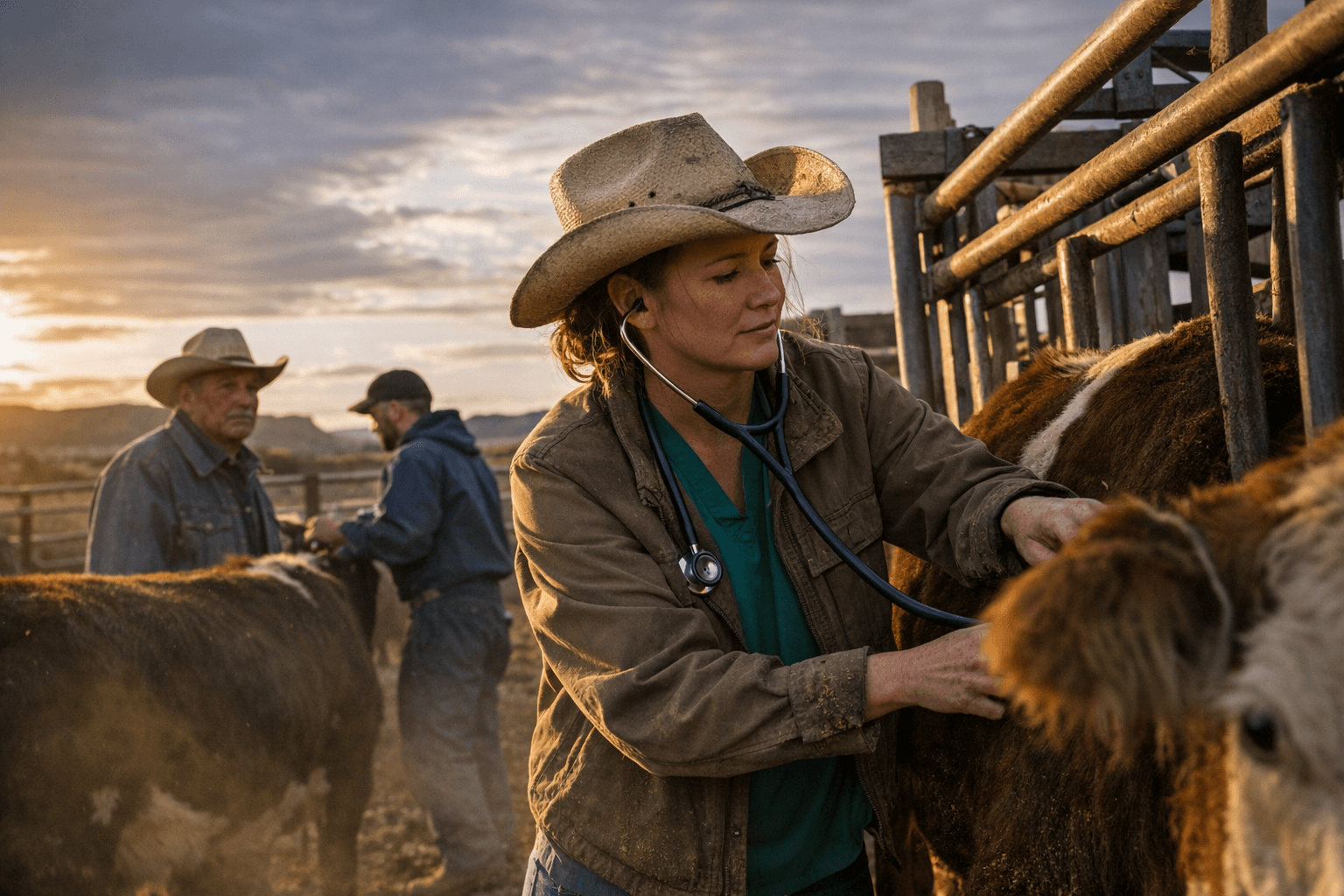
State Veterinarian Dr. Samantha Holeck, DVM, called the program "a great first step in New Mexico supporting our rural veterinary community," adding that "veterinarians are crucial to the health of our animals and the security of our food supply." She has also described the structural economics that make rural recruitment hard: practitioners in small communities routinely absorb emergency calls that compress any semblance of a standard workweek while earning far less than colleagues at corporate urban clinics.
Higher Education Secretary Stephanie M. Rodriguez framed the awards through the lens of food-system security. "Access to veterinary services remains a challenge for many New Mexicans in rural communities," Rodriguez said. "This program will strengthen food animal health, protect our food systems and support rural economies statewide while reducing student debt for those who choose to serve the state."
Senate Bill 8, which created the program, was signed into law by Governor Michelle Lujan Grisham and mirrors similar loan-repayment initiatives that states and the federal government have used to address rural shortages in medicine, dentistry, and mental health. Policy observers note that retention, not just initial placement, is the harder problem: loan relief addresses entry-year debt burden, but sustaining a rural practice over a four-year commitment also depends on professional networks, infrastructure, and income stability that a single incentive payment cannot guarantee.
NMHED administers the program and has posted eligibility requirements and USDA shortage-area designations at hed.nm.gov. The department's financial aid help line is also available at 800-279-9777. With the first cohort now placed, the 2027 application cycle will offer the first real measure of whether the awards are translating into sustained clinical coverage across northern New Mexico's shortage zones.
This article was produced by Prism’s automated news system from verified source data, official records, and press releases, then run through automated quality and moderation checks before publishing. The system is built and supervised by the people who set the standards it runs under. Read our full AI policy.
Did this article answer your question?