New Mexico DOJ sues CYFD after report finds systemic failures
Twenty thousand pages and more than 150 witness interviews underpin a Santa Fe lawsuit accusing CYFD of using confidentiality to hide failures after 14 child deaths and a teen’s April 12, 2025 death in state custody.

Twenty thousand pages of records and more than 150 witness interviews now form the backbone of a lawsuit filed in Santa Fe District Court after New Mexico Attorney General Raúl Torrez announced on April 8, 2026 that the New Mexico Department of Justice had released an investigative report and sued the Children, Youth and Families Department to “enforce transparency and protect children.” The investigation began in April 2025 after the death of a 16-year-old, Jaydun Garcia, while in CYFD custody at an AMI Kids facility; his aunt, Carla Garcia, described him as a “bright, creative” teenager who died on April 12, 2025.
The NMDOJ report alleges widespread dysfunction inside CYFD, saying the agency has “strayed from its legal mandate to prioritize child safety above all else.” Investigators found investigations that “routinely fall short,” with missed interviews, incomplete home visits, inconsistent safety assessments, delays removing children from unsafe homes, premature reunifications, and failures to protect drug-exposed infants. NMDOJ materials state that 14 children died in situations tied to CYFD oversight in the last two years and that some witnesses declined to participate in the review, citing fear of retaliation or prosecution.
Legally, the lawsuit zeroes in on CYFD’s use of child-welfare confidentiality under the Children’s Code, including Section 32A-4-33. NMDOJ alleges the department has interpreted confidentiality too broadly to withhold records and to threaten or retaliate against foster parents and caregivers. In filings, the department of justice is asking the Santa Fe District Court to stop that practice, to clarify how Section 32A-4-33 applies, and to prohibit retaliatory conduct that blocks oversight and transparency.
For Los Alamos County, the statewide findings intersect with local capacity pressures. A January 30, 2026 co-neutral analysis cited by NMDOJ found that as of December 15, 2025 only 20 percent of CYFD workers statewide had caseloads compliant with relevant standards, including just 9 percent of investigation workers and 15 percent of permanency workers. Legislative oversight materials show Protective Services turnover rose to roughly 37 percent in FY25. Those statewide shortages matter here because Los Alamos County’s safety net relies on the county Social Services Division to help with Medicaid, SNAP, WIC, LIHEAP and housing vouchers while coordinating the Los Alamos County Health Council and contracts with local providers.
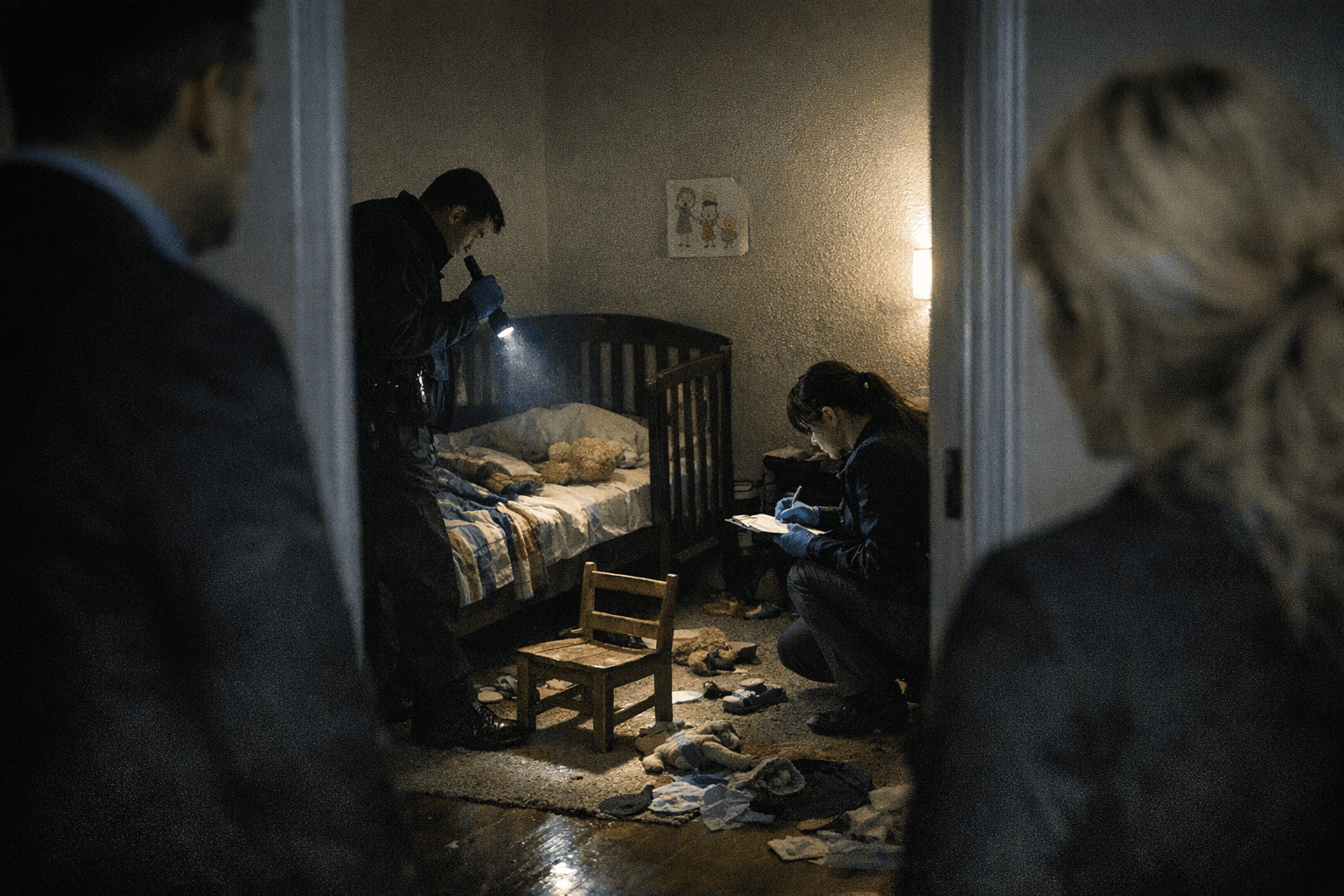
Local nonprofits already filling gaps include the Los Alamos Family Council, which operates counseling services and youth activity centers, Las Cumbres Community Services family navigators providing prevention and reunification support, the Los Alamos Juvenile Justice Advisory Board’s youth programs, and LA Cares food pantry collaborations with county Social Services. Statewide CYFD materials also note that kinship placements make up roughly half of in-home placements, a pattern that shifts workload onto relatives and local supports.
A concrete way families in Los Alamos might feel this: a parent concerned about a teen’s safety could call CYFD’s statewide reporting line at 1 (855) 333-7233 or dial #SAFE from a mobile phone, and then seek immediate referrals through Los Alamos County Social Services for behavioral-health counseling at the Los Alamos Family Council or family navigation through Las Cumbres. If CYFD’s response is delayed or information is withheld under a contested confidentiality interpretation, families may face repeated emergency responses or protracted uncertainty, a pattern Bernalillo County law enforcement officials have said forces first responders to return to the same homes again and again.
As the Santa Fe District Court considers NMDOJ’s petition to curb CYFD’s use of confidentiality and end retaliatory practices, Los Alamos County’s Social Services Division and local nonprofits are likely to remain the frontline supports for affected families while litigation proceeds.
This article was produced by Prism’s automated news system from verified source data, official records, and press releases, then run through automated quality and moderation checks before publishing. The system is built and supervised by the people who set the standards it runs under. Read our full AI policy.
Did this article answer your question?