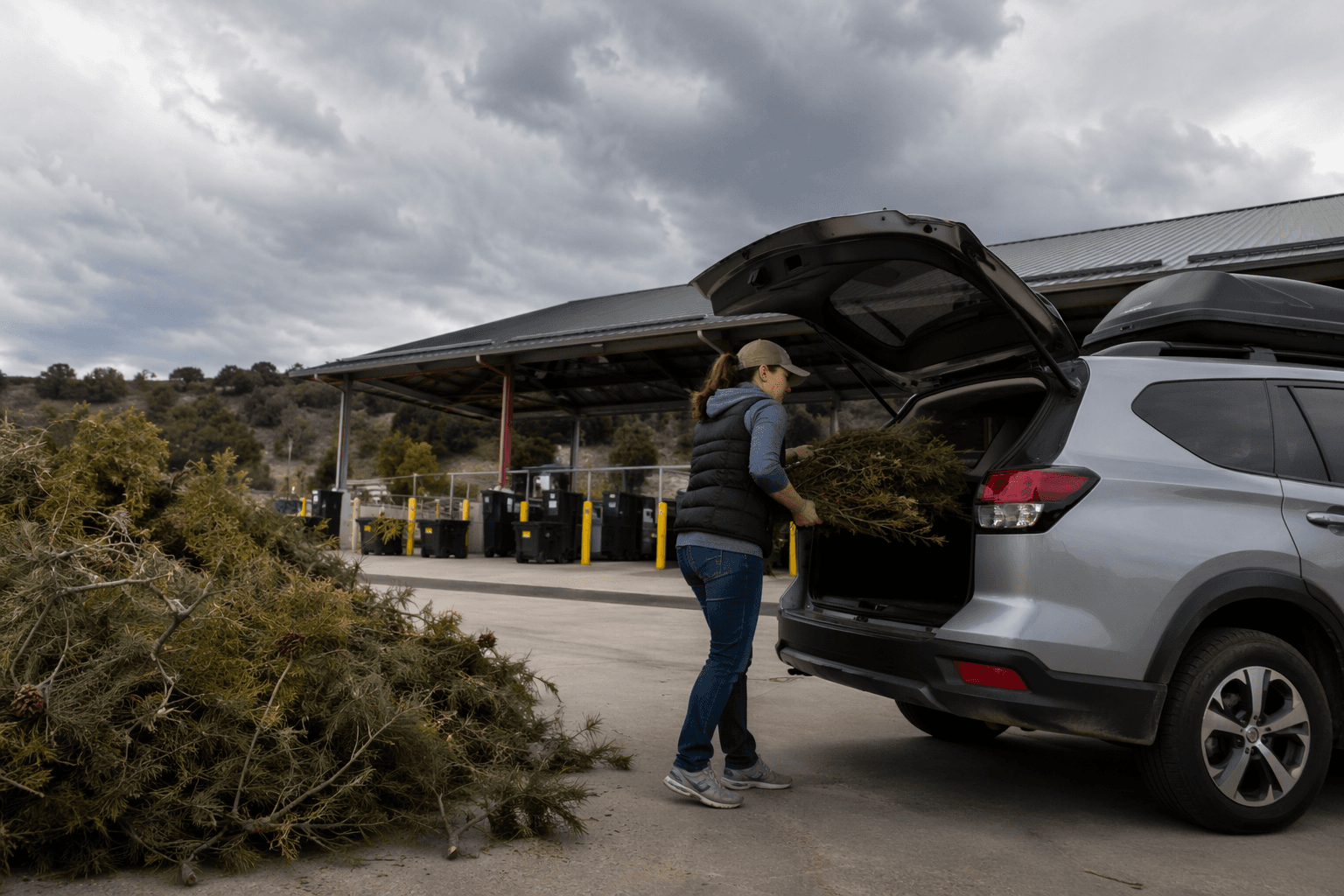
New Mexico pushes DOE to clean up legacy nuclear waste at LANL
New Mexico is forcing a new cleanup fight at LANL, targeting buried waste at MDA C and pressing DOE to move faster before more waste stays locked in place.
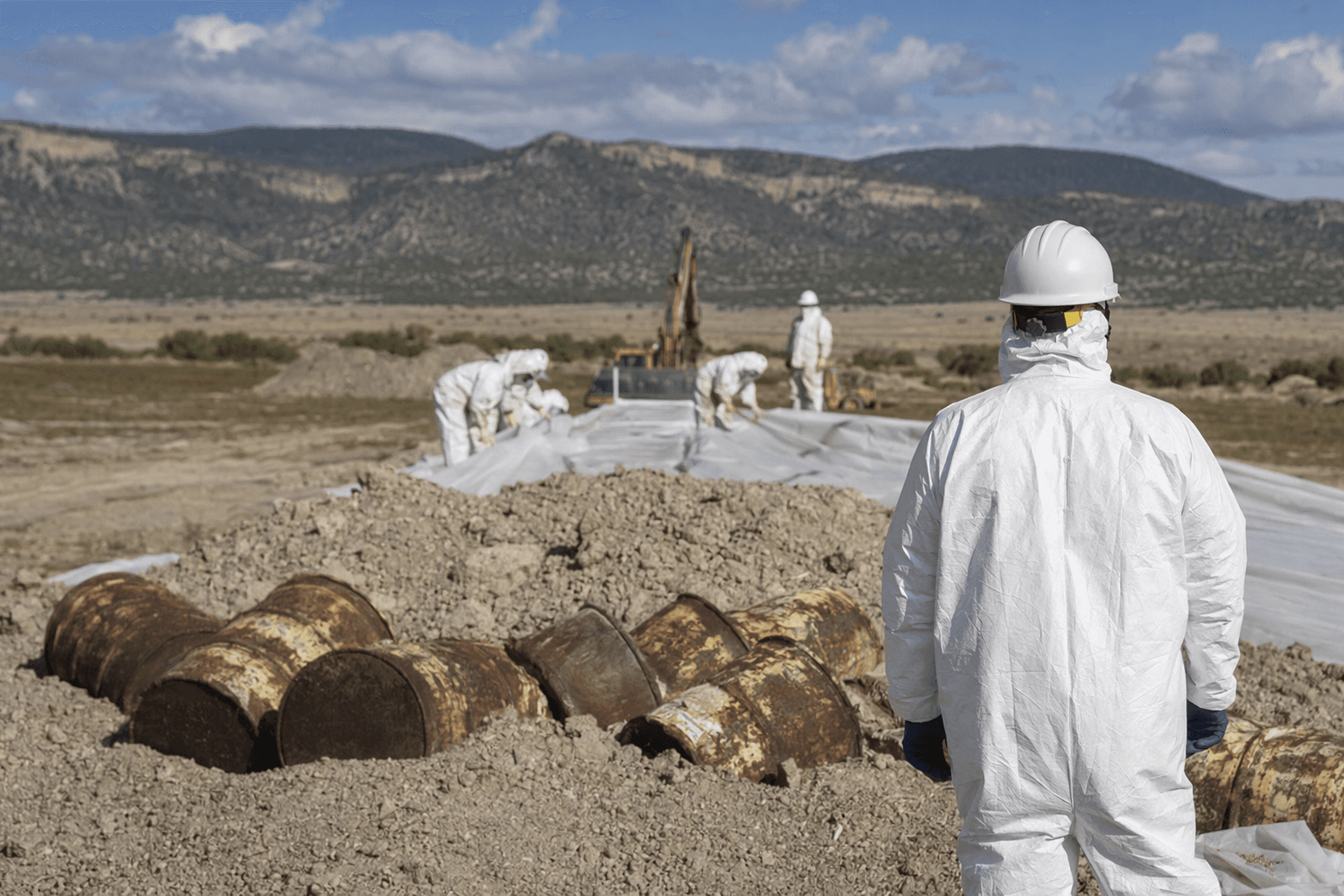
New Mexico has escalated its fight with the federal government over what happens to legacy nuclear waste at Los Alamos National Laboratory, putting more pressure on the Department of Energy to move contamination out of the county and into long-delayed disposal.
The state action centers on Material Disposal Area C, an 11-acre landfill at LANL that contains toxic and radioactive pollution above the regional drinking water aquifer. State regulators want DOE to excavate the site and ship the waste to the Waste Isolation Pilot Plant, rather than leaving it buried in unlined pits. The New Mexico Environment Department said DOE must now submit documentation backing its request to defer cleanup at MDA C, raising the stakes for timelines that have already stretched across multiple administrations.
The broader dispute is about leverage. On Feb. 11, 2026, NMED filed three enforcement actions and moved to modify WIPP’s operating permit to force DOE to prioritize disposal of LANL’s legacy waste. The department says that waste dates from the Oppenheimer and Manhattan Project era through the 1990s, and that the continuing presence of unremediated hazardous and radioactive material reflects a lack of urgency by DOE. NMED also said WIPP, which is capped by federal law at 6.2 million cubic feet of transuranic waste, was nearly half full.
The confrontation sits on top of a newer legal framework. New Mexico and DOE signed a revised Compliance Order on Consent on Aug. 30, 2024, replacing the contested 2016 agreement after the state sued in 2021 over what it said was too little progress. That lawsuit sought to terminate the old order and imposed a proposed $333,000 civil penalty. Gov. Michelle Lujan Grisham called the 2024 settlement a historic moment, and the state said it was meant to strengthen public participation, speed dispute resolution and enforce deadlines more tightly.
DOE and its contractor, Newport News Nuclear BWXT-Los Alamos, have pushed back on the pace of the state’s actions. In March 2026, DOE’s Environmental Management Los Alamos Field Office and N3B requested hearings after NMED issued compliance orders, signaling a deeper regulatory clash rather than a quiet negotiation.
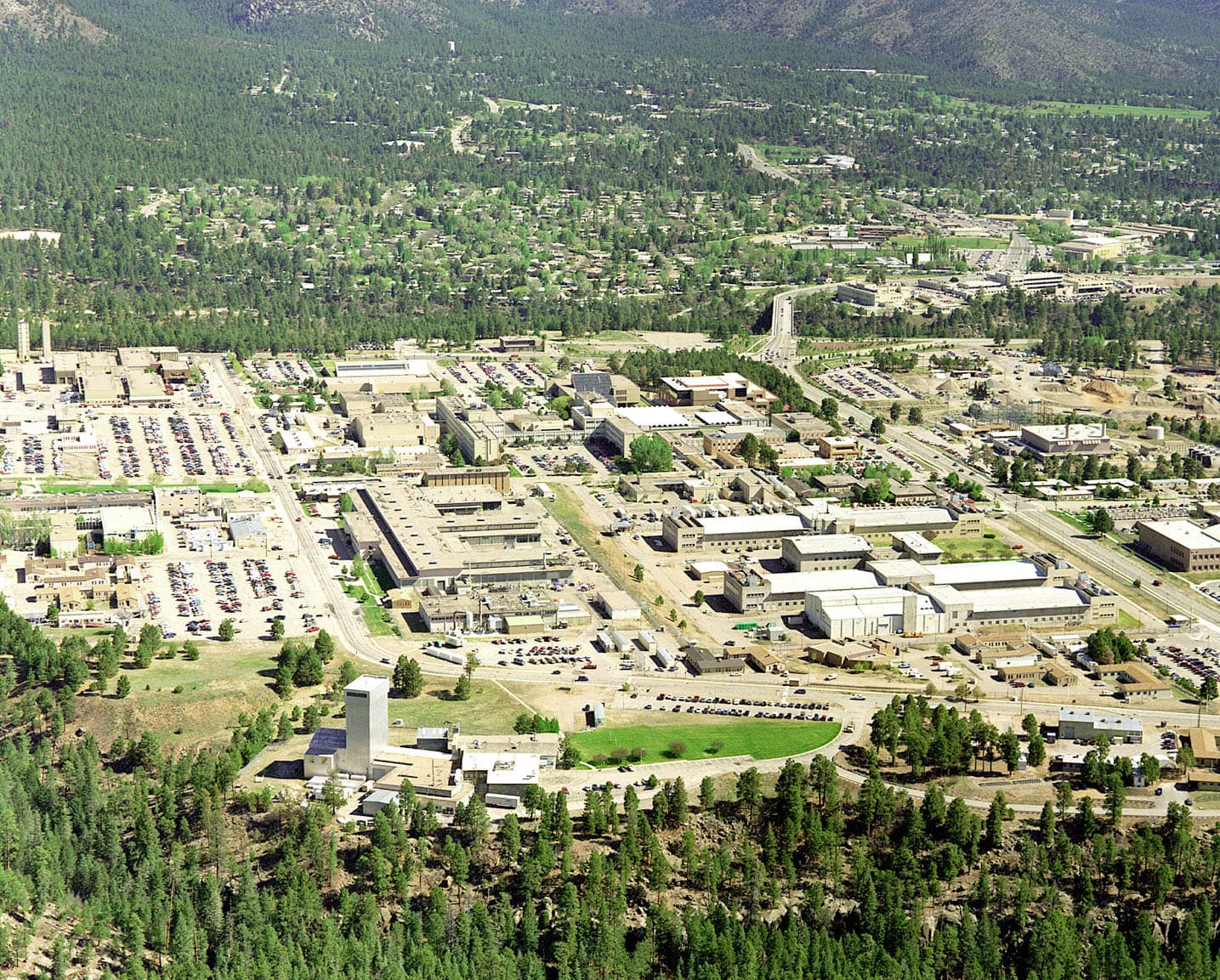
The cleanup fight matters far beyond agency filings. DOE says the most difficult legacy waste remains at Area G in Technical Area 54, about 1.3 miles north of White Rock and roughly 600 feet west of the Pueblo de San Ildefonso boundary. Area G, which opened in the late 1950s, contains 32 pits, 194 shafts and four trenches. DOE also says the hexavalent chromium plume in Mortandad Canyon, first detected in 2004, remains an active cleanup problem above the state groundwater standard of 50 micrograms per liter.
At DOE and NMED’s Jan. 27, 2026 public meeting, officials said all 11 fiscal year 2025 milestones were completed on or ahead of schedule, and 10 milestones were set for fiscal year 2026. Those include soil investigation and remediation, the chromium plume and material disposal areas. But with NMED now pushing deadlines harder at WIPP, residents around Los Alamos can expect the next phase to be defined less by cleanup rhetoric than by whether DOE moves waste or keeps fighting the state in hearings and permit proceedings.
This article was produced by Prism’s automated news system from verified source data, official records, and press releases, then run through automated quality and moderation checks before publishing. The system is built and supervised by the people who set the standards it runs under. Read our full AI policy.
Did this article answer your question?