New Mexico Wildlife Center cares for 70 animals amid baby season surge
Baby season pushed the New Mexico Wildlife Center to 70 patients, led by house finch, striped skunk, American crow and rock squirrel. The mix points to summer hazards on local roads and in backyards.
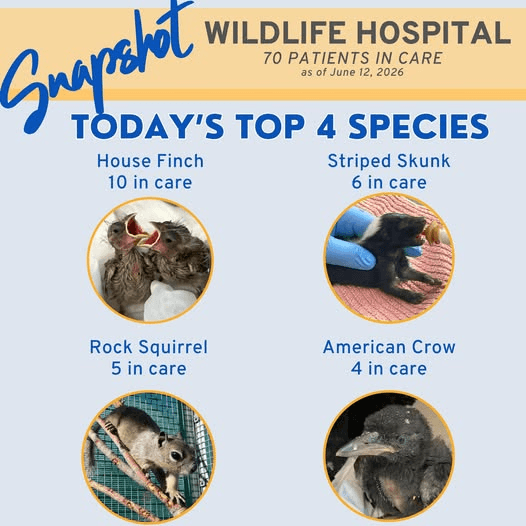
Baby season has filled the New Mexico Wildlife Center with 70 animals, and the lineup is exactly the kind of summer wildlife Los Alamos County residents are most likely to run into on roads, trails and in backyards. The busiest cases are not limited to one flagship species. They include house finch, striped skunk, American crow and rock squirrel, along with a broad mix of birds, mammals and reptiles already in care.
That caseload tells a clear story about conditions across northern New Mexico. The center is also treating red-tailed hawk, spotted towhee, ladder-backed woodpecker, great-horned owl, northern flicker, burrowing owl, Mexican free-tailed bat, common poorwill, gopher snake and great blue heron. Many of those animals arrive after being hit by cars, caught by cats or dogs, or after flying into windows. Heat and strong storms have added another layer of stress, making summer especially hard on young and injured wildlife.

For anyone who finds an animal in distress, the center’s advice is direct: do not offer food or water, and do not move the animal before calling a licensed wildlife rehabilitator. New Mexico state wildlife officials describe the center as an important resource for questions about injured, orphaned or incapacitated wildlife, and the hospital asks people to call 505-753-9505 before bringing in injured, sick or orphaned wildlife. The hospital is at 19 Wheat Street in Española, New Mexico 87532, and it is open every day from 9:00 a.m. to 4:00 p.m.
The New Mexico Wildlife Center was founded in 1986 by local veterinarian Dr. Kathleen Ramsay, first as a rehabilitation center for injured birds, then later as a place that treats all species of wildlife in New Mexico. The center says its wildlife hospital admits between 800 and 1,000 wild animals each year, while its education programs reach more than 7,000 people annually.
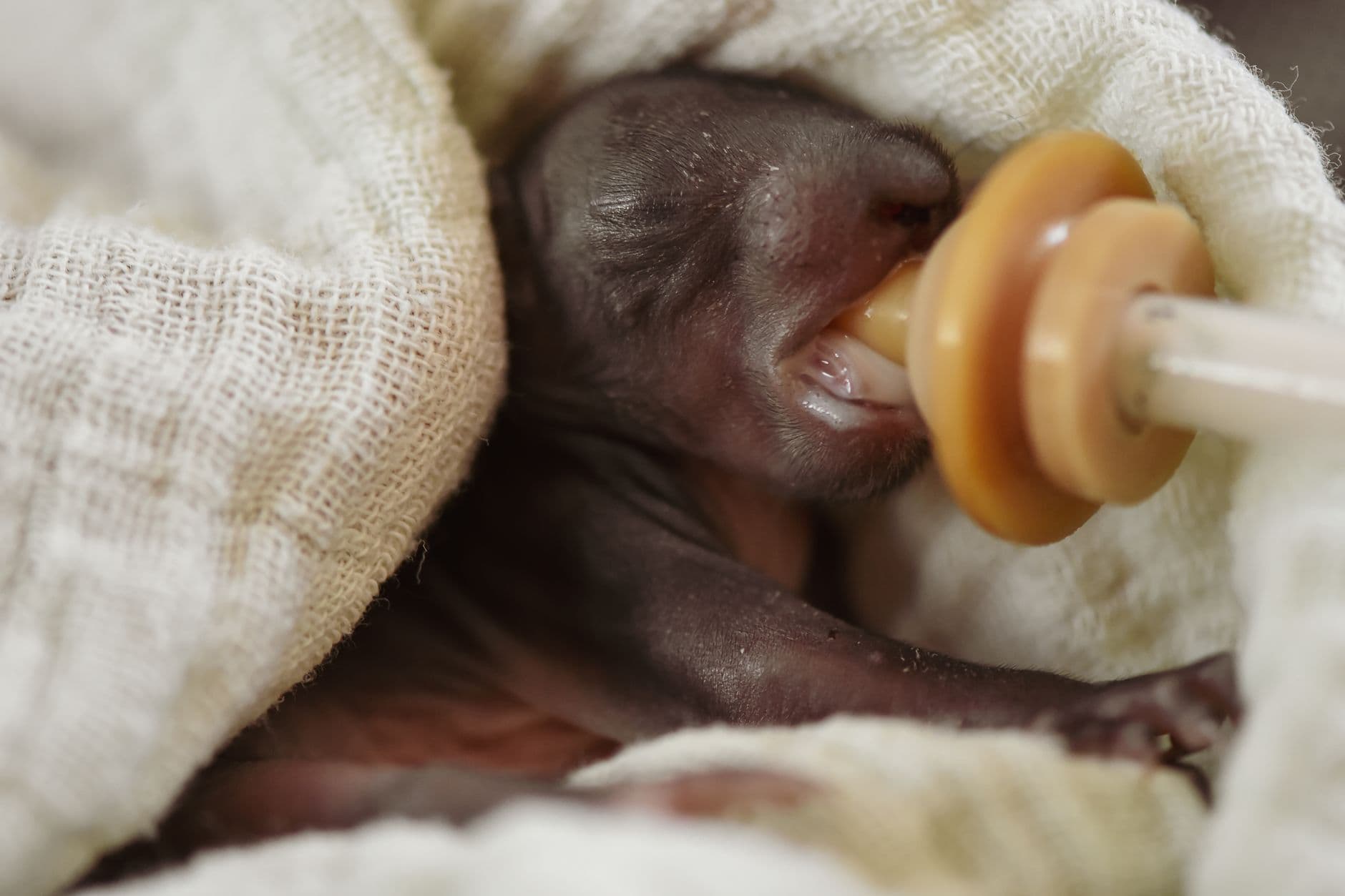
Its caseload has also grown in recent years. The center says it treated 1,085 patients representing 164 species in 2024, a 17% increase, after treating 882 animals representing more than 130 species in 2021. A $10,000 Foxwynd Foundation grant announced in February 2026 was meant to support and expand hospital operations, a reminder that the care happening in Española depends on steady public support.

For Los Alamos County, where officials point to large predators, vehicle-versus-wildlife collisions, feeding wildlife and other coexistence issues, the message is practical: slow down, secure pets and leave injured wildlife to trained rehabilitators.
This article was produced by Prism’s automated news system from verified source data, official records, and press releases, then run through automated quality and moderation checks before publishing. The system is built and supervised by the people who set the standards it runs under. Read our full AI policy.
Did this article answer your question?