Public hearing weighs health risks of expanded plutonium pit production
Residents weighed 80 pits a year against more radiation, waste and transport risk at a Santa Fe hearing.
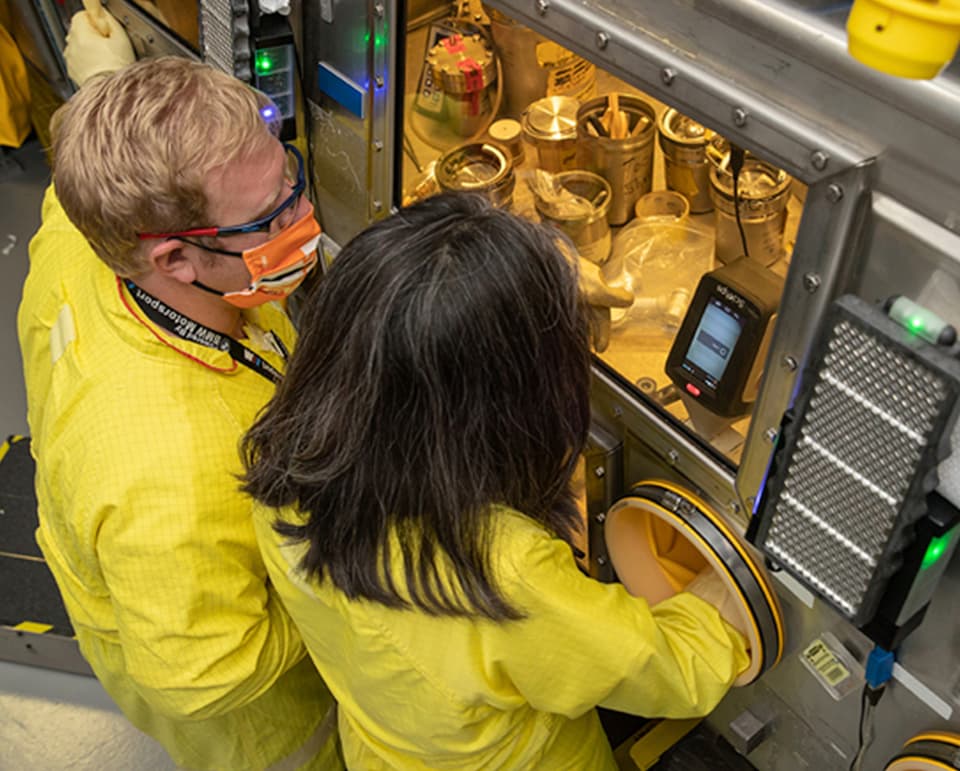
At the Santa Fe Farmers Market Institute, federal officials asked Los Alamos to confront a blunt tradeoff: whether pushing plutonium pit production at Los Alamos National Laboratory to at least 80 pits a year is worth the added radiation, waste and transportation risks that come with it. The National Nuclear Security Administration says Los Alamos now makes less than half that amount, and critics say the expansion could harm people who live and work in the area.
The hearing sat inside a larger federal review that looks 50 years ahead and compares single-site and multi-site production paths, including a version in which Los Alamos and the Savannah River Site operate together. NNSA’s draft analysis also covers transportation and waste management tied to pit production, not just the work inside PF-4.
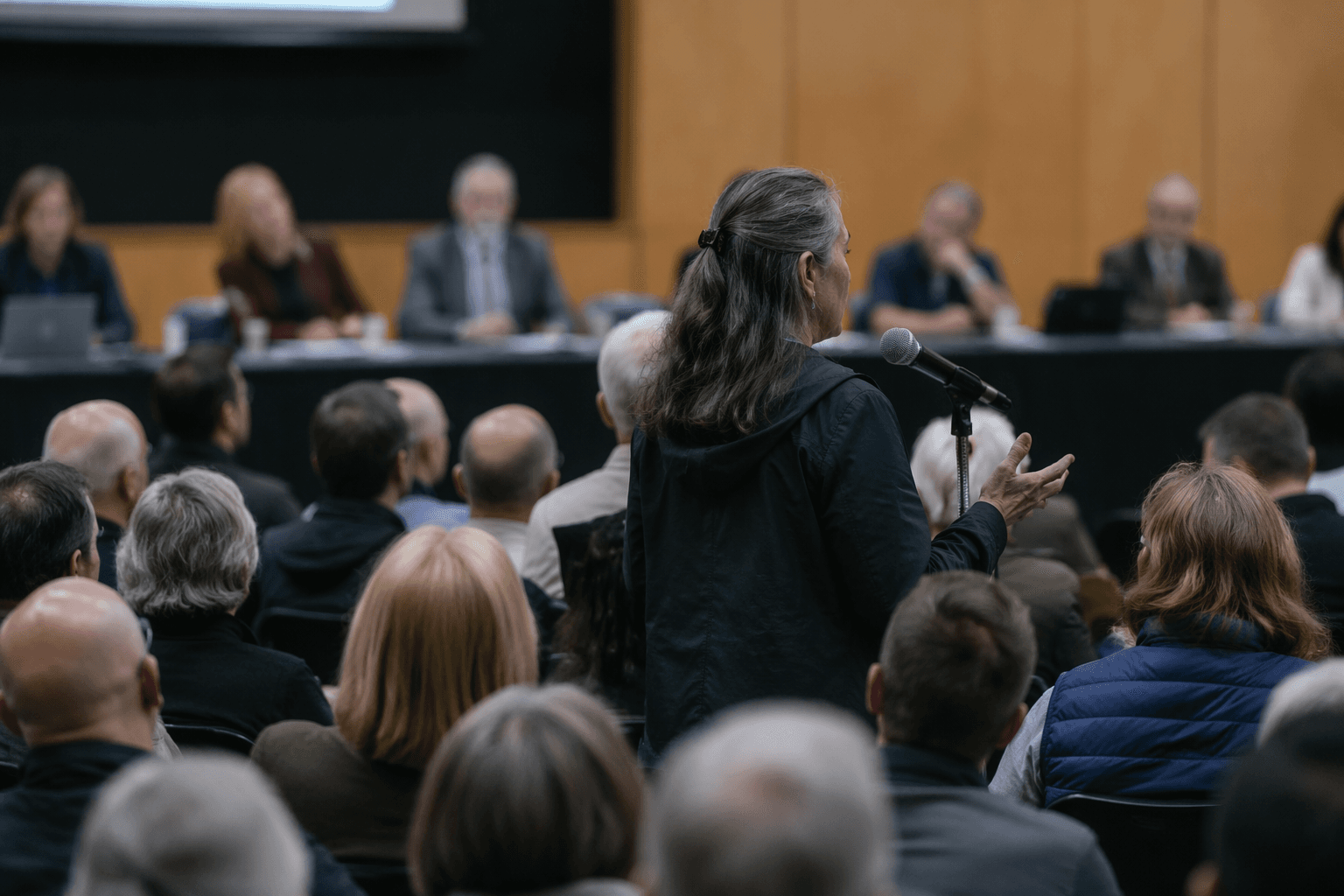
The agency’s own hearing posters show where the pressure points are. NNSA listed human health and safety, worker safety, radiological risk, feasibility and facility readiness, national transportation, local community impacts, climate change, treaty compliance, waste management and WIPP capacity among the issues it was asking the public to weigh. Another poster said projected nonradioactive emissions would be below de minimis and radioactive emissions would be far under 1 percent of annual site releases.
For Los Alamos County, the decision would help determine whether PF-4 keeps becoming a larger plutonium workplace or whether more of the mission shifts elsewhere. NNSA’s hearing materials say the draft comment period runs through July 16, and the agency says it will fold those comments into a record of decision before any final move on the production plan.
This article was produced by Prism’s automated news system from verified source data, official records, and press releases, then run through automated quality and moderation checks before publishing. The system is built and supervised by the people who set the standards it runs under. Read our full AI policy.
Did this article answer your question?