State drought and fire declaration raises urgency in Los Alamos County
Los Alamos County now faces sharper wildfire and water pressure as the state warned of record drought, 366 fires, and possible local restrictions.
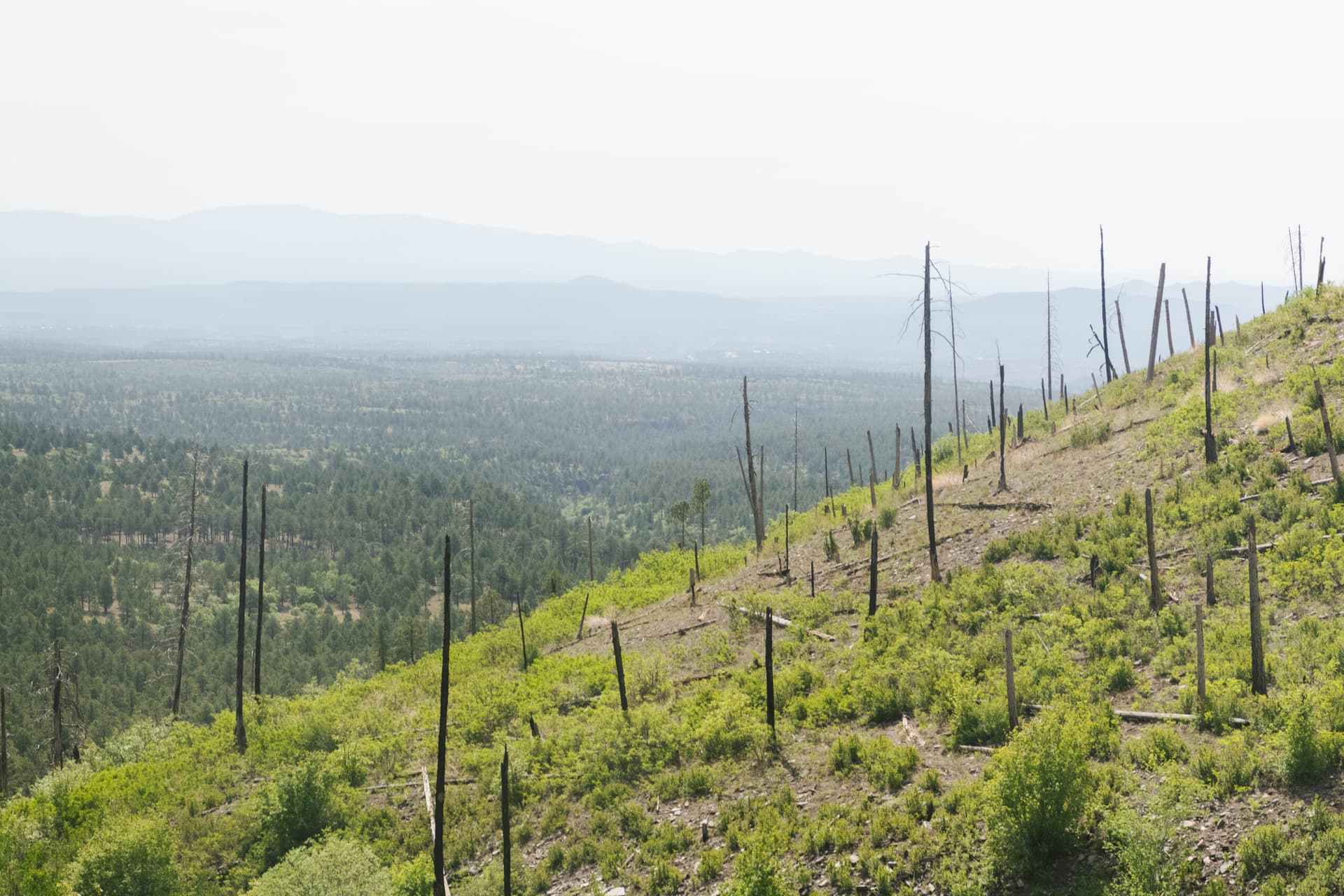
Los Alamos County entered the heart of summer with a harder warning from Santa Fe: expect more wildfire danger, tighter attention to water use, and the possibility of new local restrictions if conditions keep worsening.
Gov. Michelle Lujan Grisham’s May 20 executive order said New Mexico had the lowest snowpack, highest temperatures and lowest runoff levels in recorded history. It also said 94% of the state was in some level of drought and that New Mexico had already logged 366 wildfires in the first four months of 2026, about twice the pace of the same period in 2025.
The numbers behind that declaration were already flashing red. The National Drought Mitigation Center said New Mexico set a new record-low April 1 snow-water equivalent, and that this year’s peak snowpack would be the new benchmark low for the state. The USDA Natural Resources Conservation Service reported that on March 31, “No Snow” conditions were observed in all but the three northernmost basins in New Mexico.
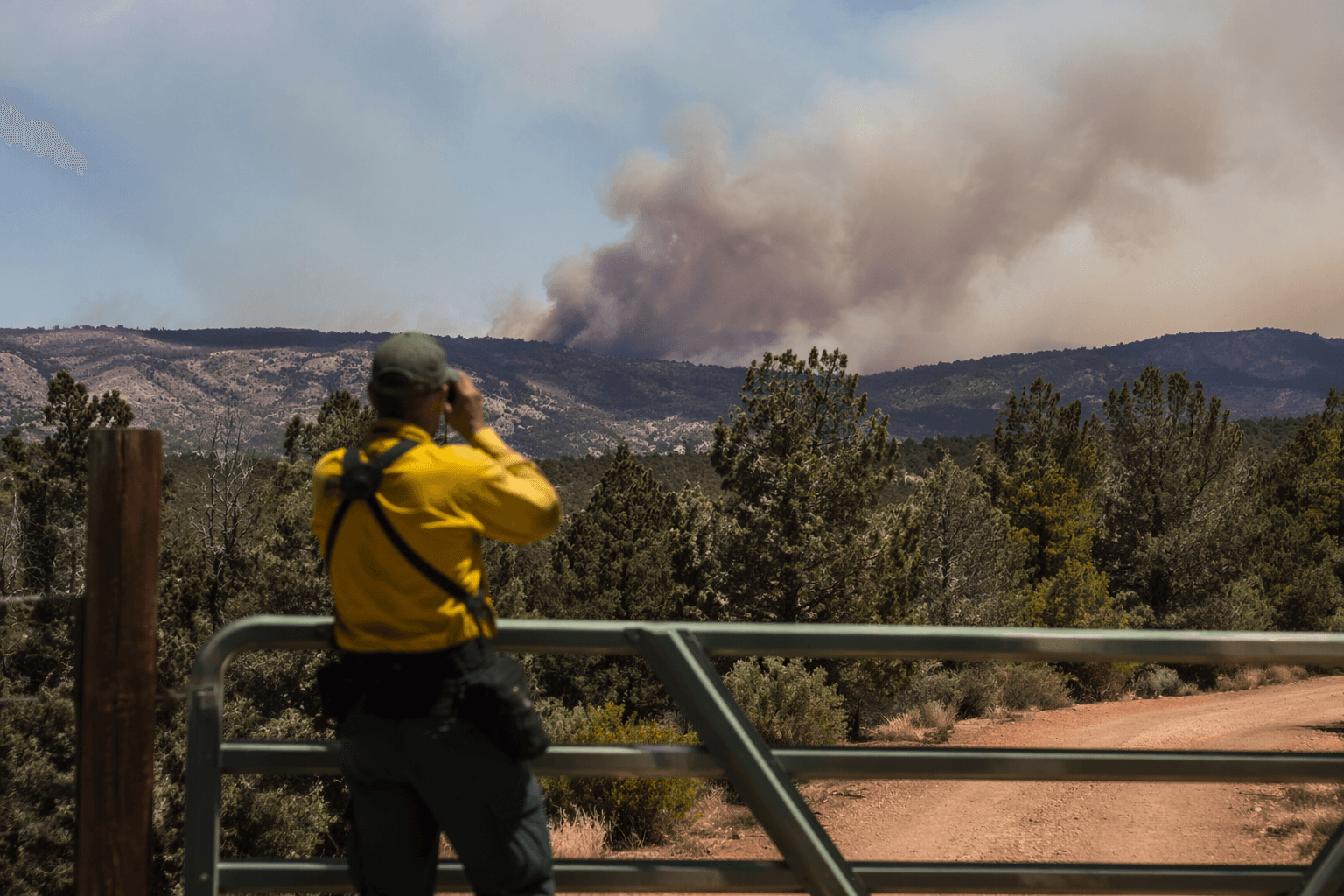
For Los Alamos and White Rock, that means the statewide declaration is not an abstract warning. It lands in a county where wildfire sensitivity is already part of daily life, from dry canyons and mesas to homes that sit close to forested edges. The order urges counties, municipalities and local governments to consider firework bans and water conservation measures, which could translate locally into stricter burn rules, tighter outdoor use limits and more aggressive public messaging as the season builds.
State Forester Laura McCarthy told residents to avoid campfires and open burning, remove dead leaves and grass to create defensible space, and follow fire restrictions. Those steps matter even more in Los Alamos County, where Los Alamos National Laboratory spans roughly 40 square miles and says it has spent more than two decades on wildfire mitigation, including fuel removal, fire breaks, evacuation planning, hazardous-materials protection and continuous air monitoring through 68 radiological sampling locations.
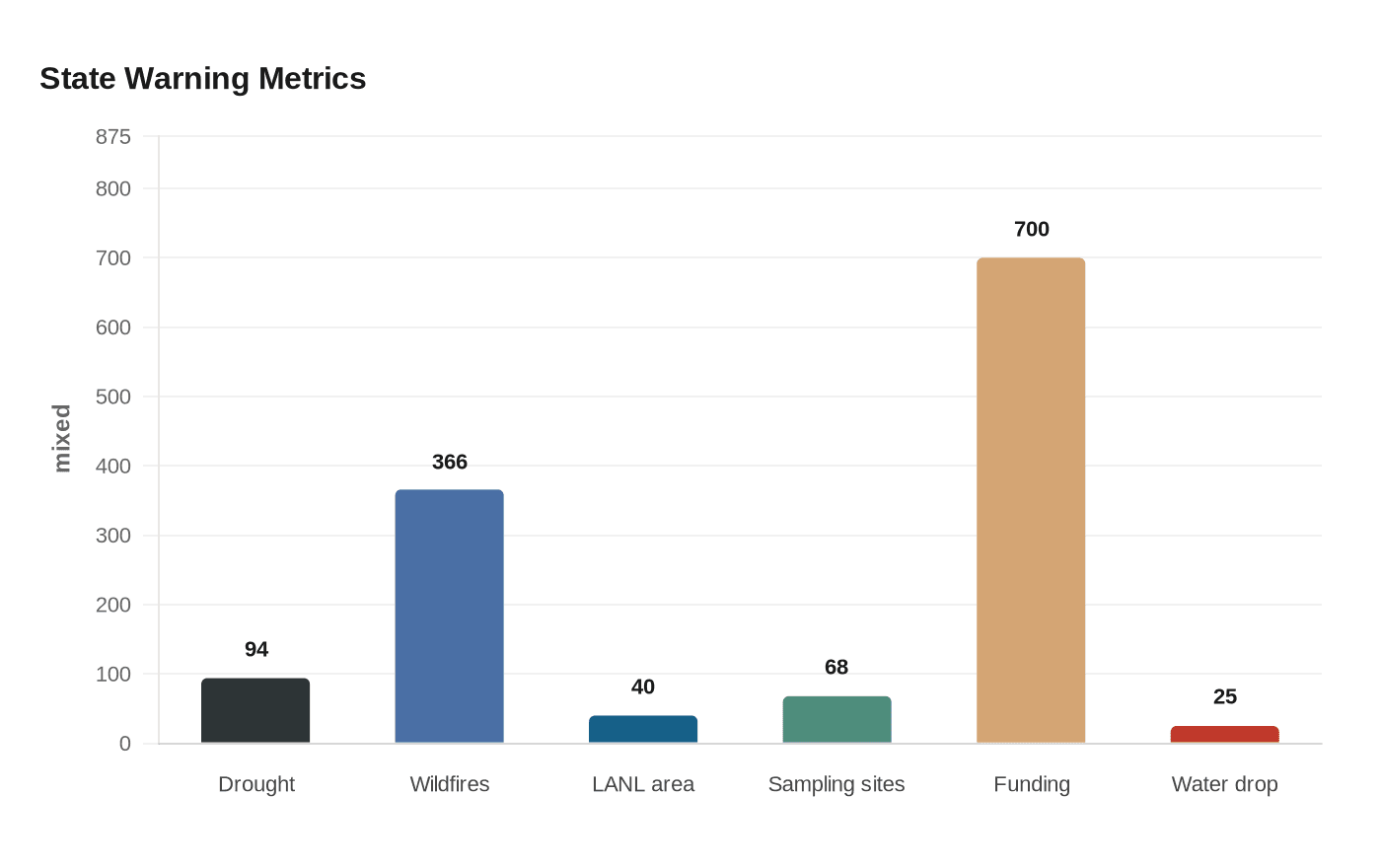
The governor’s order also gave the state’s response a broader policy frame. It cited about $700 million in nonrecurring water and natural-resource funding approved in the 2025 and 2026 legislative sessions and warned that New Mexico scientists expect up to 25% less water in 50 years. The state has also launched Drought.nm.gov to centralize drought status updates, monitoring tools and partner resources as conditions change.
For Los Alamos County, the immediate message is plain: wildfire readiness and water conservation are no longer seasonal talking points. They are now core decisions for households, neighborhoods and county agencies heading into a summer shaped by record drought.
This article was produced by Prism’s automated news system from verified source data, official records, and press releases, then run through automated quality and moderation checks before publishing. The system is built and supervised by the people who set the standards it runs under. Read our full AI policy.
Did this article answer your question?