State Police Launch April Checkpoints, Saturation Patrols Across New Mexico
NM ranks 7th nationally for drunk driving; state police launched April checkpoints on all county roads, including the NM-502 and NM-501 corridors into Los Alamos.
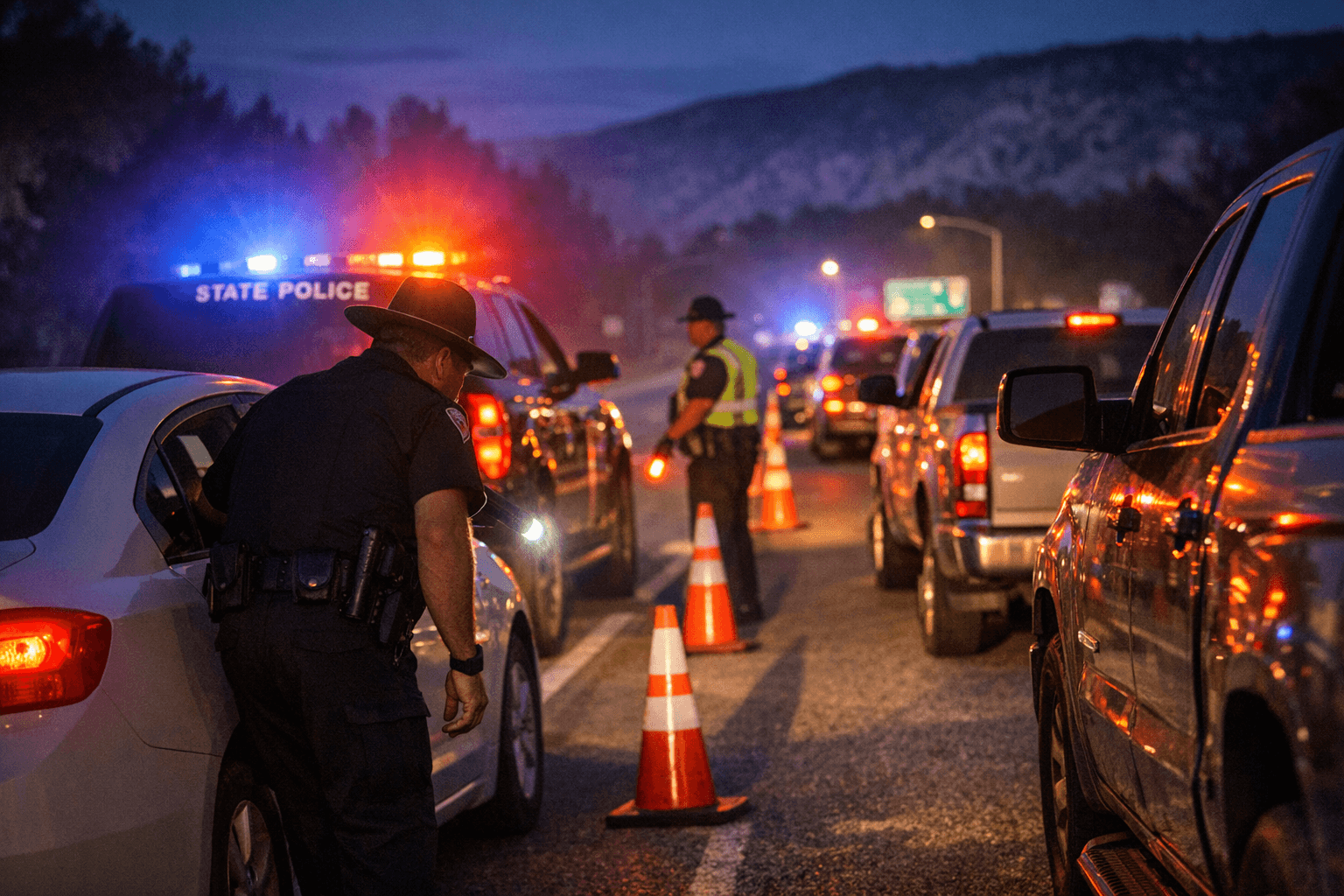
New Mexico ranks seventh worst in the nation for overall drunk driving and second highest for alcohol-related crashes involving drivers under 21, a grim backdrop for the New Mexico State Police's statewide April enforcement campaign announced March 27, covering all counties in the state.
The sweep combines three distinct enforcement tools: sobriety checkpoints, saturation patrols directed at high-frequency DWI corridors, and secondary checkpoints verifying vehicle registration, insurance, and driver's license status. For Los Alamos County commuters, the corridors most likely to see enforcement activity include NM-502, the primary artery connecting the Hill to US 285 at Pojoaque, and NM-501 linking Los Alamos to White Rock. Drivers on US 285 through Española and on NM 4 through the Jemez Mountains corridor should also expect periodic stops.
At any checkpoint, officers will ask for three documents: a valid driver's license, current proof of vehicle registration, and proof of insurance. Carrying all three is a baseline legal requirement, and a checkpoint citation for any missing document arrives independently of sobriety findings.
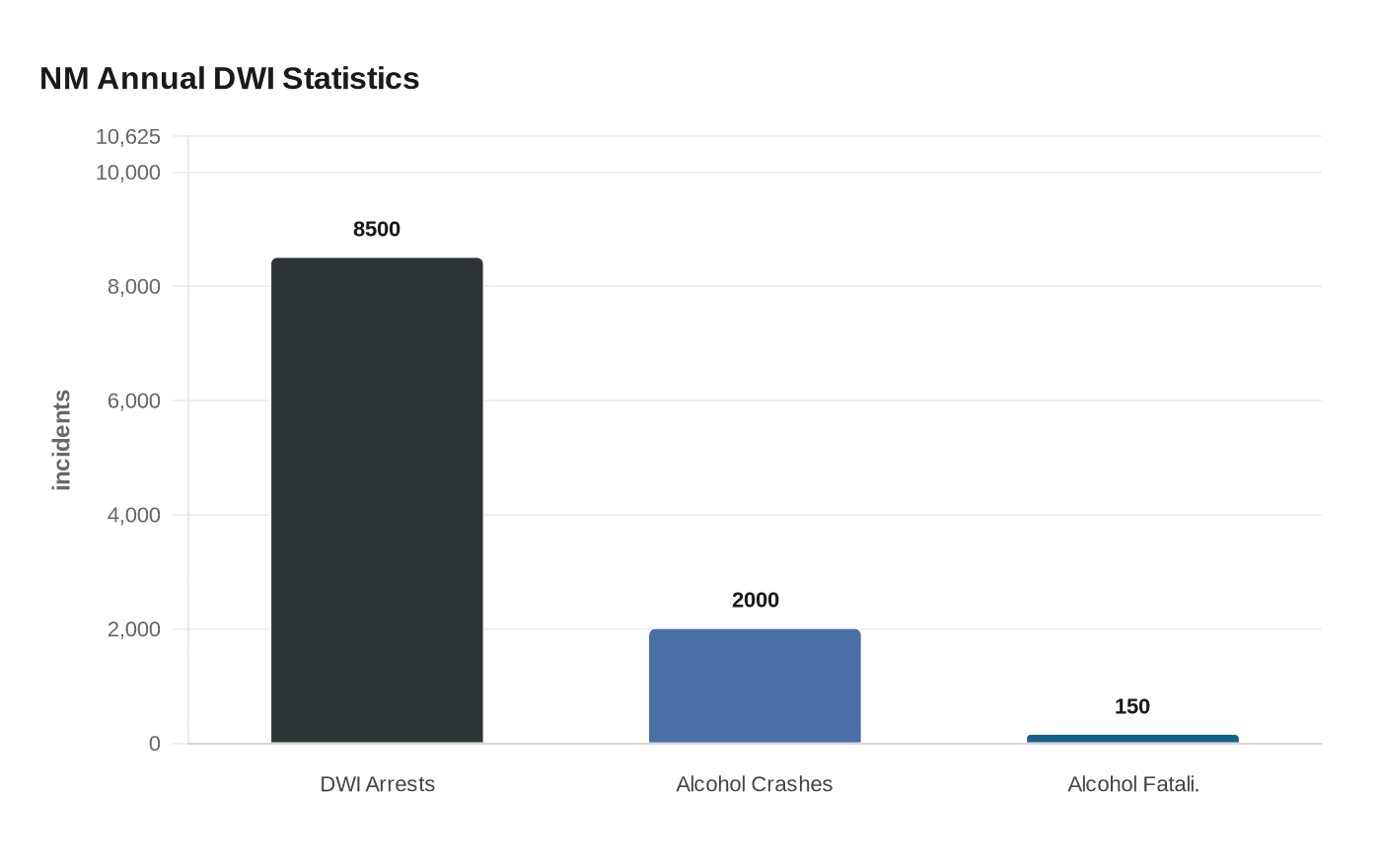
The enforcement context is stark. Statewide, New Mexico records approximately 8,500 DWI arrests, 2,000 alcohol-involved crashes, and 150 alcohol-involved fatalities in a typical year. The NMSP has framed the April campaign not solely as a citation effort but as a behavioral deterrence strategy, pairing checkpoints with public-education advertising designed to shift attitudes toward impaired driving before it happens.
New Mexico law requires advance public notice for sobriety checkpoints, balancing road-safety interests against civil-liberty protections. The March 27 announcement satisfies that requirement, and the NMSP's decision to publicize the campaign broadly is itself part of the deterrence calculus: drivers who know checkpoints are running are more likely to arrange alternatives before leaving.
For Los Alamos County, which handles a daily mix of LANL employee commuters, local residents, and tourist traffic heading toward Bandelier National Monument, the practical step is straightforward. If the evening includes alcohol, secure a designated driver or a ride service before the first drink. Checkpoints do not announce their specific locations in advance, and the NM-502 descent from the pajarito plateau offers no secondary route once a driver is on the road.
The Los Alamos Police Department and Los Alamos County Sheriff's Office typically coordinate with NMSP on localized deployment decisions; residents can check both agencies' social media channels for any county-specific checkpoint advisories as April progresses.
This article was produced by Prism’s automated news system from verified source data, official records, and press releases, then run through automated quality and moderation checks before publishing. The system is built and supervised by the people who set the standards it runs under. Read our full AI policy.
Did this article answer your question?