Tsankawi and Alcove House showcase Bandelier's ancestral Pueblo legacy
Tsankawi and Alcove House turn Bandelier into a living lesson in Ancestral Pueblo history, with steep ladders, exposed trails, and clear rules that shape every visit.
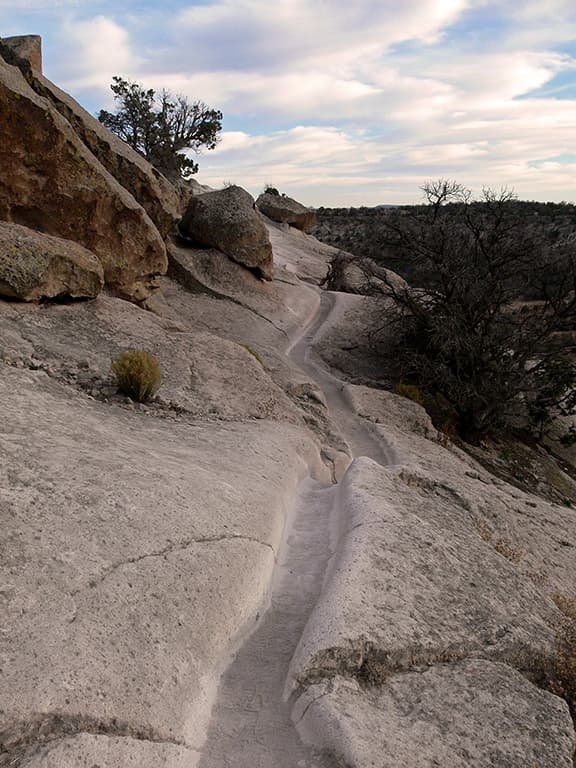
Tsankawi and Alcove House sit inside more than 33,000 acres of canyon and mesa country near Los Alamos County. At Bandelier National Monument, both demand more than casual sightseeing: they ask visitors to move carefully through ancestral homeland, where cliffs, cavates, and carved dwellings still shape the landscape and the experience.
A landscape built by geology and memory
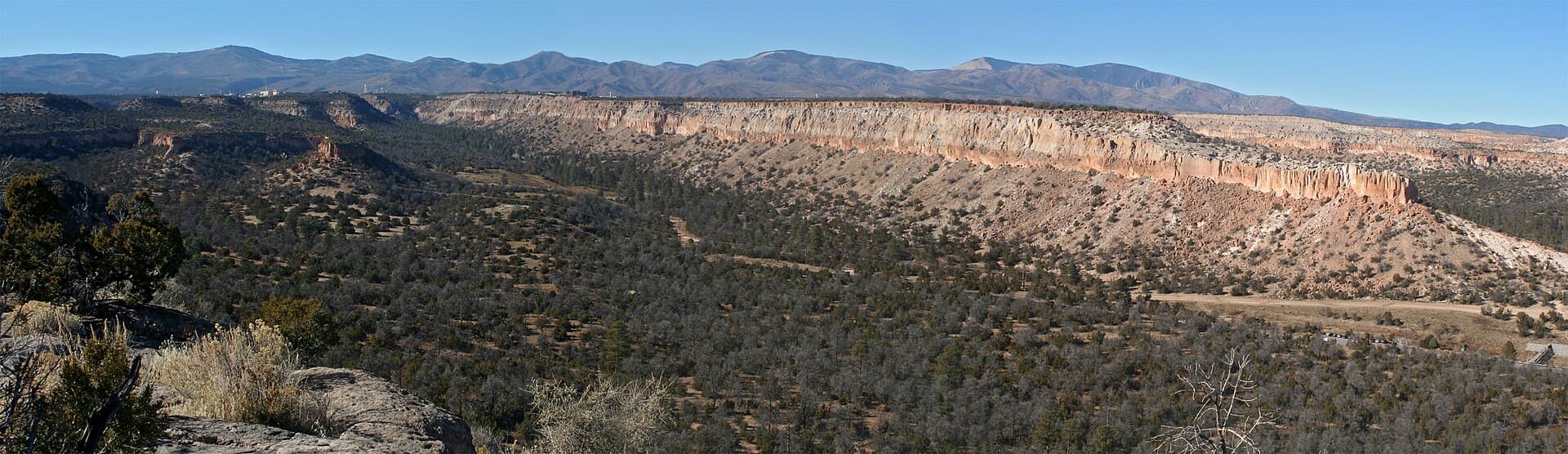
The park’s setting on the Pajarito Plateau explains why these sites look the way they do. Massive volcanic eruptions left behind welded tuff, and over time that soft rock became the cliff face, alcoves, and carved-out shelters that Ancestral Pueblo people used for homes and daily life. Ancestral Pueblo people lived in the Bandelier area from approximately 1150 CE to 1550 CE, and the monument still preserves a high density and variety of archaeological resources that reflect that long occupation.
That history is not abstract here. Bandelier is ancestral home territory sacred to 23 tribes, and tribal relationships there are active now, not just historical. Representatives from Cochiti, San Felipe, Santo Domingo, San Ildefonso, Santa Clara, and Zuni Pueblos work closely with park staff on decisions affecting ancestral homelands.
Tsankawi: compact, exposed, and newly reopened
Tsankawi is the more accessible of the two signature experiences, but “accessible” here does not mean easy. The Tsankawi Unit sits about 12 miles from the main section of the park on New Mexico State Highway 4, and the walk is about 1.5 miles along a mesa. Along the route, hikers can see cavates, petroglyphs, and the village site itself, all in a landscape that still feels open and exposed.
That exposure matters. The trail uses ladders and includes narrow sections, so weather and footing deserve real attention. The park warns against visiting during localized thunderstorms, and winter conditions can make the route slippery. If the forecast is uncertain, Tsankawi is the place to postpone rather than push through, because there is little shelter once you are on the mesa.
The site also changed recently in a way that affects how residents and visitors use it. Tsankawi reopened after a year’s closure tied to construction on NM Highway 4, and the reopening brought a new parking area, new interpretive signs, and a realigned trail. The reopening also included a blessing and youth dancers from San Ildefonso Pueblo, and Bandelier held its first community engagement day with San Ildefonso Pueblo in 2024.
Tsankawi is also a fee area, so regular park entrance fees apply. For a short visit, that makes it a practical stop for a half-day outing, especially if you want direct contact with archaeology without committing to a longer canyon hike.
Alcove House: a climb into canyon history
Alcove House offers a different kind of challenge and payoff. The site sits about 140 feet above the floor of Frijoles Canyon and is reached by four wooden ladders and stone stairs. It is about a half mile each way beyond the Pueblo Loop Trail, with an approach of roughly a mile round trip from the visitor center area.
The visual geometry alone makes it memorable. The alcove is about 65 feet wide, and it once housed roughly 25 Ancestral Pueblo people. Reconstructed features and surviving details, including a kiva, viga holes, and niches, help visitors understand how shelter, ceremony, and daily life fit into the rock face.
Alcove House also requires honest self-assessment. The trail surface is mostly packed dirt and gravel, some footbridges are not ideal for wheelchairs and strollers, and the ladders are steep and only recommended for people in good physical shape. In winter, ladders and walkways can close because of ice and snow. That makes Alcove House a route where timing matters as much as enthusiasm does.
How to plan a responsible visit
The best visits to Bandelier are the ones that match the site’s difficulty and its cultural setting. Tsankawi is better for visitors who want a shorter, more direct look at archaeological remains, while Alcove House rewards people prepared for a steeper climb and a more sustained canyon walk. Both sites work best when the weather is stable, the footing is dry, and there is enough daylight to move without rushing.
A few practical decisions make a noticeable difference:
- Check conditions before heading out, especially for thunderstorms, ice, or snow.
- Wear sturdy shoes with grip, since both sites involve ladders, narrow sections, or uneven surfaces.
- Leave extra time for parking and trail access, especially at Tsankawi after the new parking layout and realigned trail.
- Stay on designated routes and do not touch or climb on archaeological features.
- Treat petroglyphs, cavates, kivas, and walls as fragile record-keeping, not scenery to be handled.
Why this matters beyond the trailhead
The National Park Service lists more than 70 miles of trails, with the most popular routes accessed from the visitor center in Frijoles Canyon. That network gives residents and visitors an unusual amount of access, but it also concentrates pressure on a small number of highly significant places, especially Tsankawi and Alcove House.
This article was produced by Prism’s automated news system from verified source data, official records, and press releases, then run through automated quality and moderation checks before publishing. The system is built and supervised by the people who set the standards it runs under. Read our full AI policy.
Did this article answer your question?