Coal-Era Landmarks and Hatfield-McCoy Trail Access in McDowell County
Coalwood’s Rocket Boys monument and Hatfield‑McCoy Trail access now sit side‑by‑side in McDowell County’s identity, even as a Public Service Commission administrative docket has opened with potential local consequences.

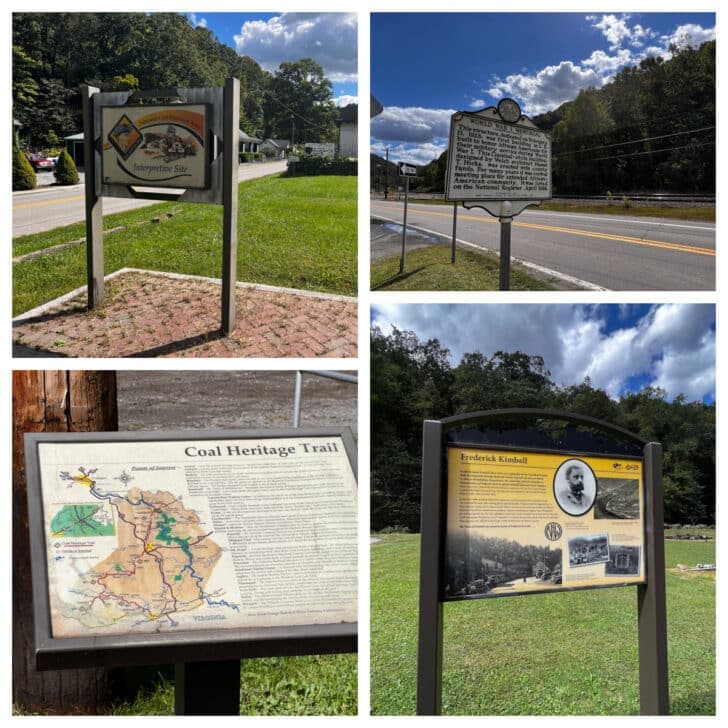
Coalwood’s Rocket Boys legacy marked by signs and a monument now anchors one end of McDowell County’s cultural map while the Hatfield‑McCoy Trails anchor the other, creating a two‑pillared local economy built on heritage and outdoor recreation. That pairing matters because the county’s built coal‑era heritage is not merely nostalgic, it’s packaging for tourism dollars, and because regulatory moves at the Public Service Commission, where an administrative docket has been opened, could change the cost, delivery or permitting environment for services that support both residents and visitors.
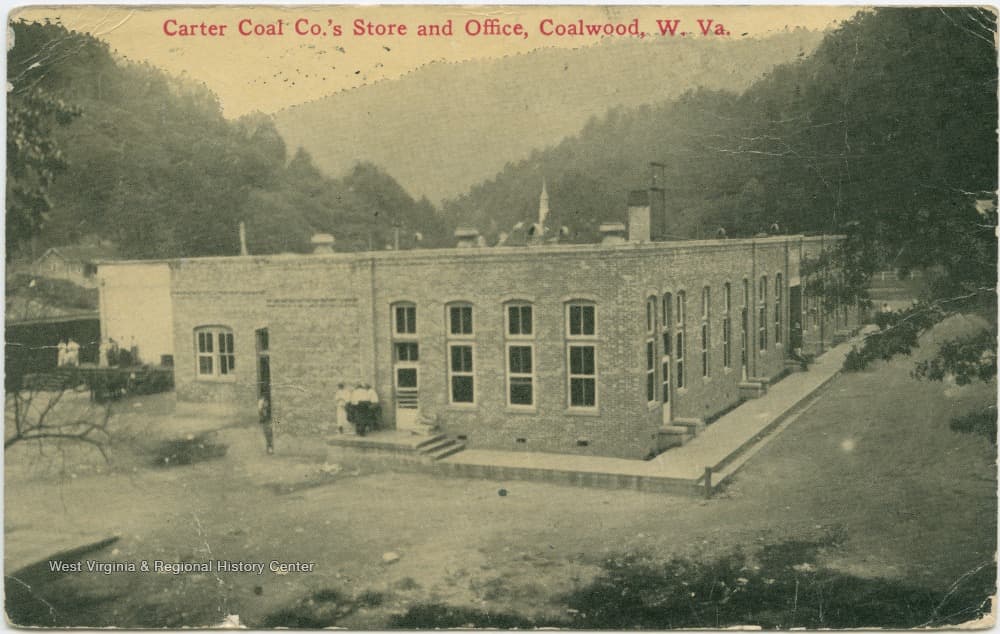
Coal‑era landmarks: what to see and why they matter Coalwood’s Rocket Boys legacy is now physically marked by signs and a monument, making it the most tangible single site where McDowell’s coal narrative meets contemporary tourism. The monument performs several economic and cultural functions: it creates a clear photo stop for visitors, it helps extend stays when paired with other local sites, and it signals to tour operators that Coalwood is a durable waypoint on any regional itinerary. For residents and promoters, the monument is also a rallying point for preservation efforts that keep company stores, mine structures and worker housing in the conversation about reuse and interpretation.
Built heritage and the economics of preservation McDowell County’s identity remains strongly shaped by coal‑era built heritage, and that built environment, company towns, mine remnants, and civic structures, represents both assets and liabilities. Preserving brick main streets and miners’ housing creates inventory for short‑term rentals, museums, and events, but it also requires public investment and adaptive‑use plans. Local leaders weighing historic preservation need to consider realistic cost recovery: what level of visitor spending, grant funding, or tax incentives will cover rehabilitation? Framing preservation projects as infrastructure for an outdoor‑recreation economy helps make the case to state and federal funders.
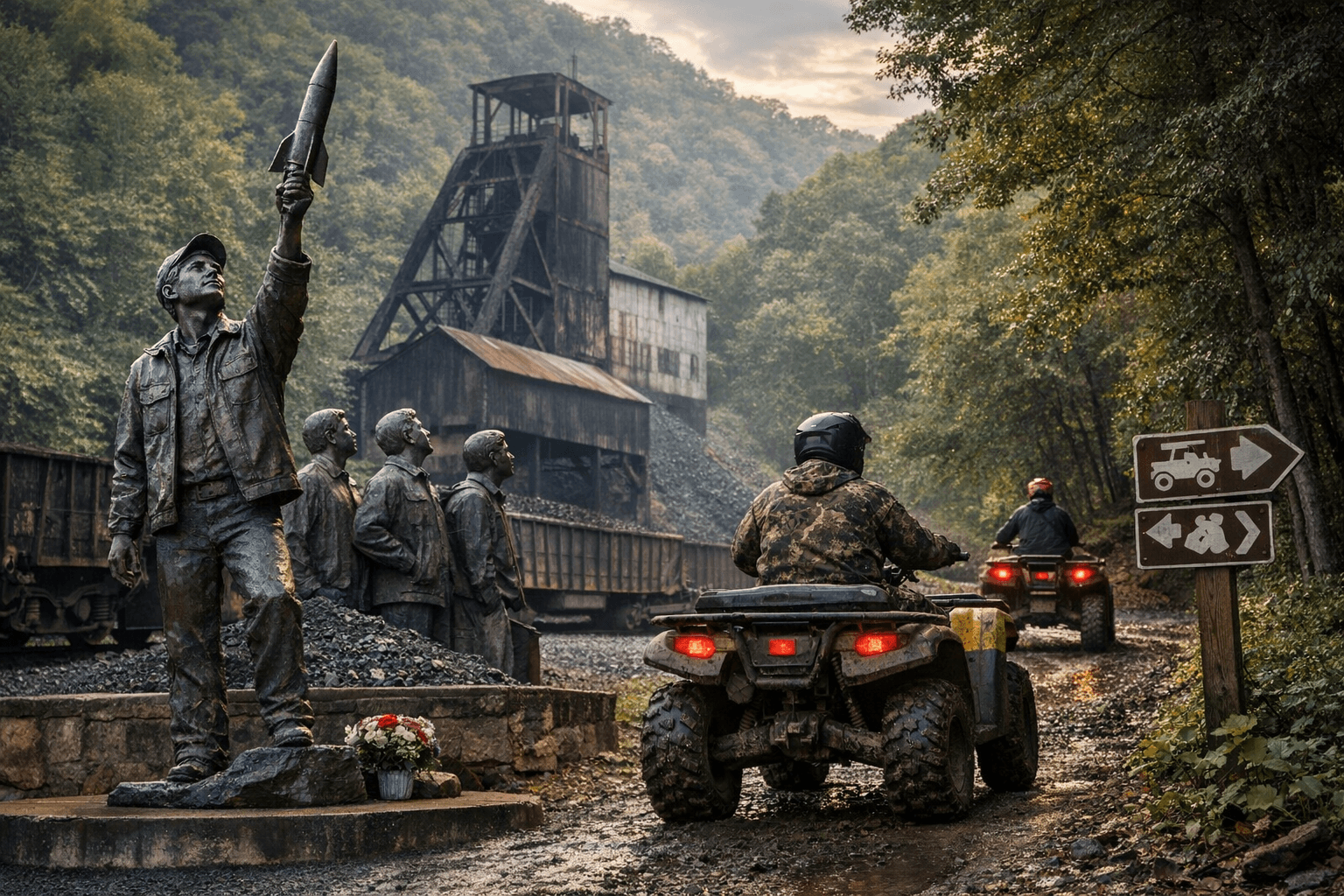
Hatfield‑McCoy Trail access: the county’s outdoor‑recreation lever Access to the Hatfield‑McCoy Trails is the principal pathway through which McDowell is growing its outdoor‑recreation economy. Trailheads and access points bring motorized and non‑motorized visitors who spend on lodging, food, fuel, guides and equipment. For towns and service businesses near trail access, each visitor group is a potential multiplier for local payrolls and for small‑business capitalization. Promoting coordinated packages, heritage site visits in Coalwood plus trail outings, captures longer stays and higher per‑visitor spending than either product alone.
- Highlight Coalwood’s Rocket Boys monument in marketing and signage to create an immediate cultural hook for out‑of‑county visitors.
- Coordinate with Hatfield‑McCoy Trail managers on trail‑friendly amenities, designated parking, washing stations, and dining options, to increase capture rates for local businesses.
- Seek state and federal historic‑preservation grants that can be paired with tourism development funds to underwrite adaptive reuse of coal‑era buildings.
Practical steps for promoters and small businesses
Regulatory watch: the PSC administrative docket and local consequences A Public Service Commission administrative docket has been opened, and that procedural fact is relevant even before the substance is clear. Administrative dockets at the PSC can affect utility rates, service territories, permitting conditions, and even how infrastructure projects are staged, all of which affect households, businesses, and trail operations that depend on reliable power, transmission permits, or water and sewer services. Local officials and business owners should treat the docket as a signal to monitor filings closely and to coordinate with county leadership so that any changes proposed at the PSC do not unintentionally raise operating costs for accommodations, restaurants, or trail services.
Market implications and what the county can measure If McDowell can strengthen the link between Coalwood’s heritage and Hatfield‑McCoy Trail access, the immediate market implication is higher visitor retention and more diversified spending. The county should track a few clear metrics to guide policy: average length of stay, lodging occupancy by town, per‑visitor spending on food and services, and the number of heritage‑plus‑trail packages sold. Those measures will help build cases for targeted investments, like foundation grants for façade work or county funds for trailhead improvements, and provide data to counterbalance the costs implied by any PSC docket outcomes.
Tactical policy recommendations Local leaders can take concrete steps within existing authority: prioritize infrastructure projects that serve both heritage sites and trailheads (road repairs, signage, restrooms), create simple incentive packages for businesses that cater to trail users and heritage tourists, and form a small interagency working group to monitor the PSC administrative docket and prepare comments or positions when relevant filings appear. A coordinated approach reduces the risk that regulatory changes will disproportionately harm households or small operators who lack the legal resources to respond to complex PSC proceedings.
A forward outlook for McDowell County The juxtaposition of Coalwood’s Rocket Boys monument and the Hatfield‑McCoy Trails creates a distinctive product: a dual attraction of story and activity. If McDowell aligns preservation investments with trail access improvements and treats regulatory change at the Public Service Commission as a live policy risk, the county can convert its coal‑era legacy into a multi‑year recovery pathway. That strategy requires data, on visitor behavior and local business performance, and a readiness to engage administratively when regulatory dockets open. Smartly managed, the county’s unique identity can continue to be an economic engine rather than only a memory.
Conclusion Coalwood’s marked Rocket Boys legacy and the county’s access to the Hatfield‑McCoy Trails are already central to McDowell’s economic narrative; the newly opened PSC administrative docket underscores that policy and regulation can shift the calculus overnight. Focus investments on linkages, heritage sites to trail amenities, collect reliable data on visitor economics, and keep regulatory attention high so preservation and recreation reinforce one another rather than compete for scarce resources.
This article was produced by Prism’s automated news system from verified source data, official records, and press releases, then run through automated quality and moderation checks before publishing. The system is built and supervised by the people who set the standards it runs under. Read our full AI policy.
Did this article answer your question?