Coal Heritage Trail Brings Tourism and Investment to McDowell County
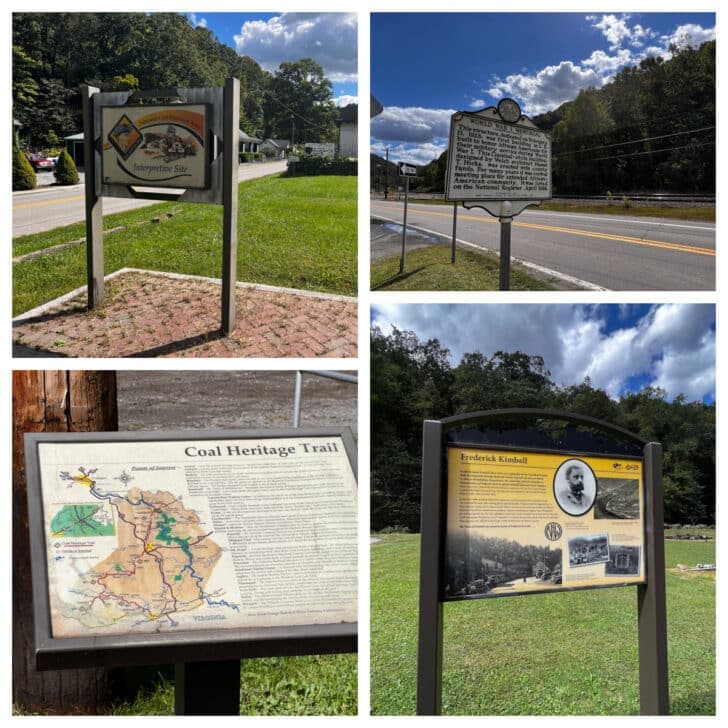
The Coal Heritage Trail, part of the National Coal Heritage Area and managed by the Coal Heritage Highway Authority, runs along US 52 through McDowell County and is a central tool for heritage tourism and local economic development. Restored sites, interpretive kiosks and connections to outdoor recreation are drawing visitors who tend to stay longer and spend more, offering new opportunities for small businesses and community events.
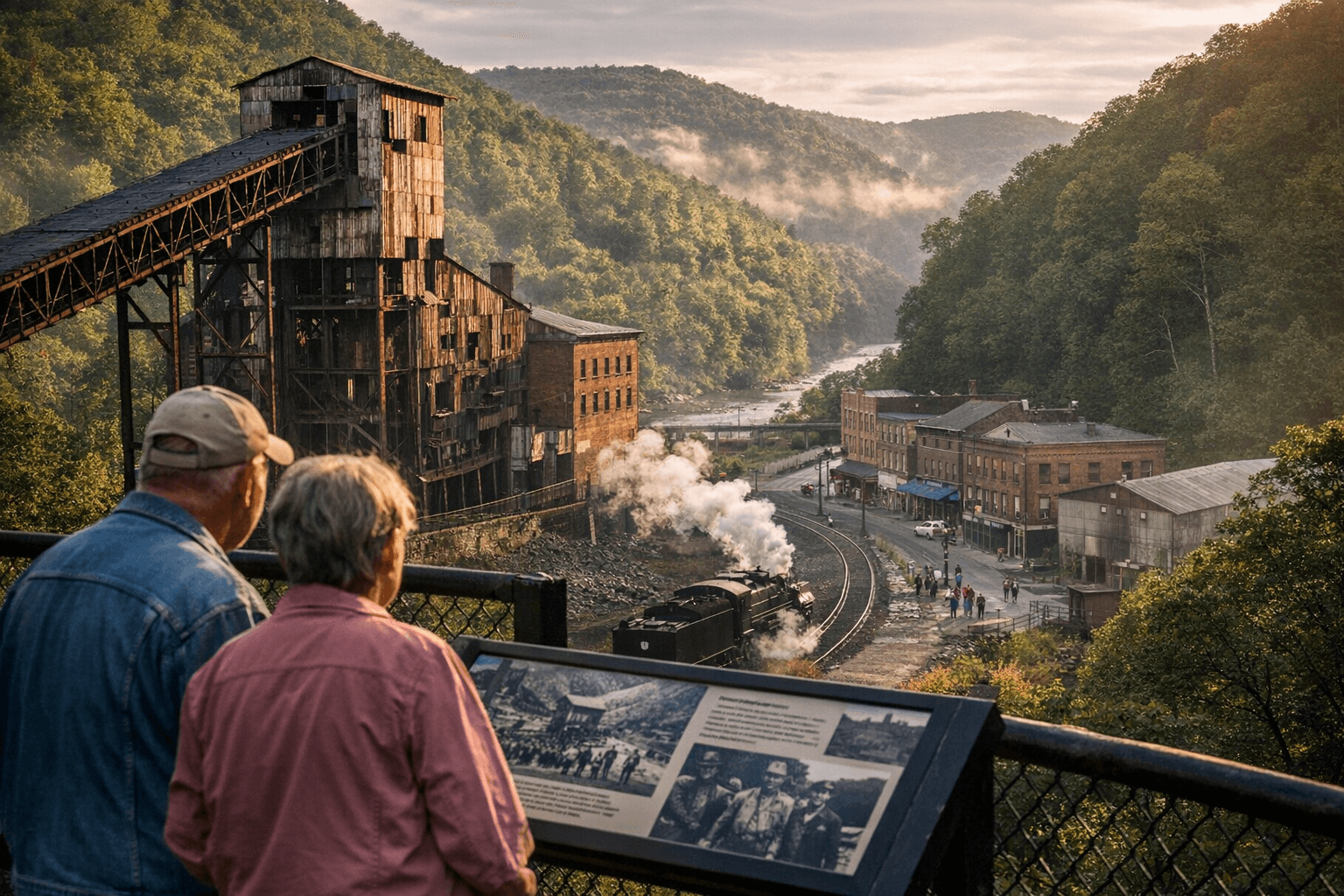
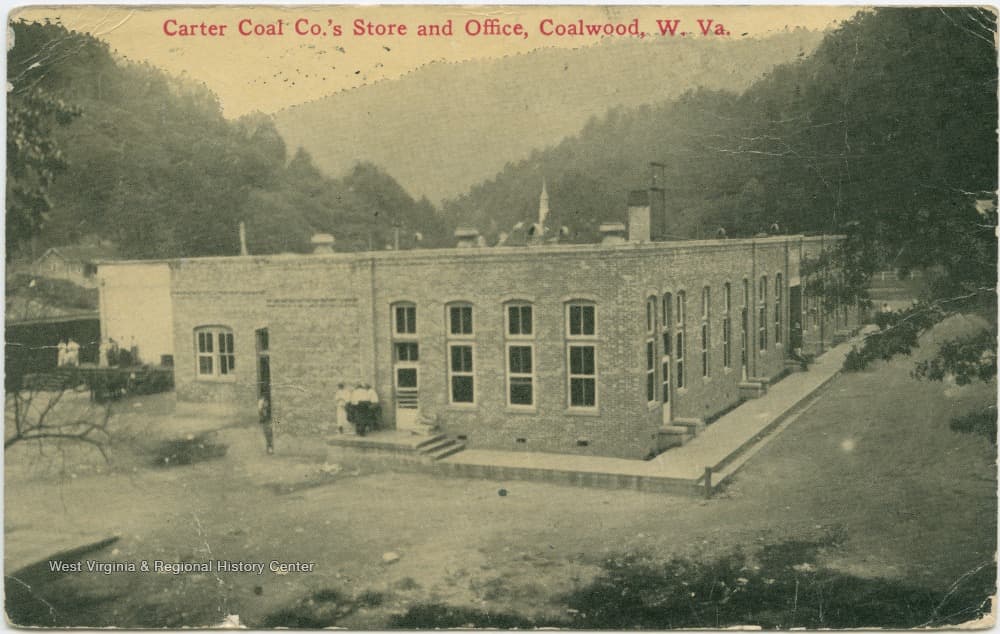
The Coal Heritage Trail functions as a nationally designated scenic corridor that passes through McDowell County along US 52 and highlights the region's coalfield history. Managed by the Coal Heritage Highway Authority as part of the National Coal Heritage Area, the corridor links mine owner mansions, company stores, museum exhibits and interpretive kiosks that document the county's industrial past. Those sites serve as both cultural preservation and economic assets for towns along the route.
Local partners and grant programs have supported restoration and interpretive projects along the corridor, and the authority markets the trail as a way to preserve regional history and to draw cultural heritage visitors. Heritage tourists typically stay longer and spend more in small communities, a pattern officials cite when promoting festivals, downtown revitalization and museum programming tied to the coalfield story. In McDowell County, the trail helps funnel visitors into historic downtowns and seasonal events that provide revenue for lodging, restaurants and retail.
Practical details matter for residents planning to welcome visitors or to plan their own trips. The drive is a winding two lane scenic route with multiple historical stops, and museum hours vary seasonally. Travelers can combine driving tour stops with nearby outdoor recreation, including ATV and trail options in the Hatfield McCoy Coalfields region. Interpretive centers such as the Coal Heritage Trail slash Bramwell sites provide concentrated history stops close to McDowell communities.
For local small business owners and civic leaders the trail offers a platform to showcase restoration work and to time events around peak visitation. Grant supported projects have already rehabilitated buildings and installed kiosks that extend time on site for visitors, increasing the likelihood of local spending. For visitors and residents seeking more information, the Coal Heritage Highway Authority maintains details and planning resources at coalheritage.org.
By tying material preservation to tourism strategy, the Coal Heritage Trail is reshaping how McDowell County presents its past and captures new economic activity. Continued coordination among county leaders, museums and outdoor recreation partners will determine how much additional visitor spending and job support the corridor can generate going forward.
This article was produced by Prism’s automated news system from verified source data, official records, and press releases, then run through automated quality and moderation checks before publishing. The system is built and supervised by the people who set the standards it runs under. Read our full AI policy.
Did this article answer your question?