Federal lawsuit alleges days-long carbon monoxide exposure at FCI McDowell
Lawyers filed a federal lawsuit on January 3, 2026, alleging a carbon-monoxide leak at the Federal Correctional Institution McDowell in Welch exposed people incarcerated there and some staff to dangerous levels of CO for multiple days in August 2021. The suit seeks medical evaluation and treatment, access to audio and video records, and permission for counsel to meet clients in person, raising questions about facility safety and transparency that matter to families and the community.
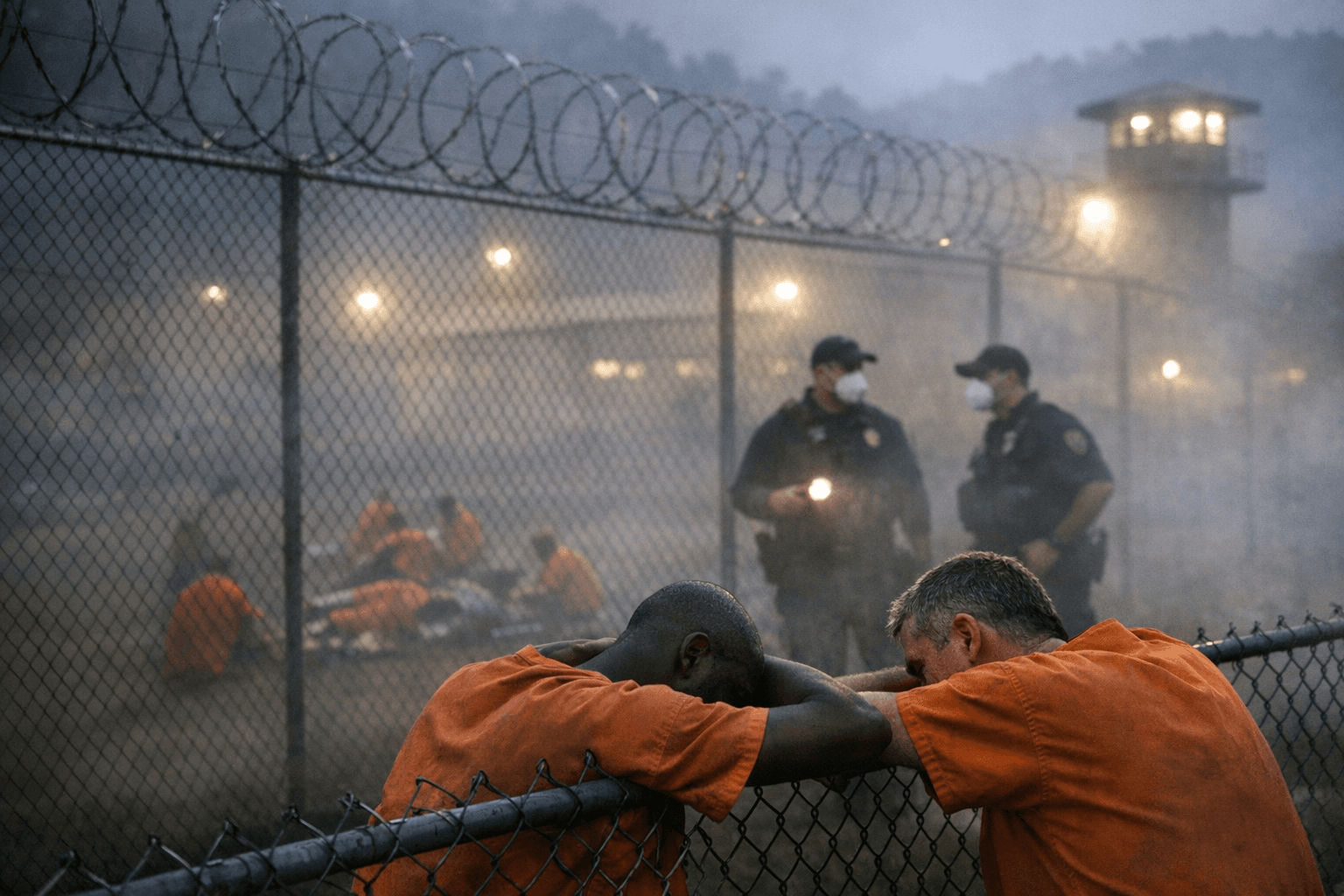
A federal lawsuit filed January 3, 2026, by attorneys including Baltimore-based Murphy, Falcon & Murphy and Charleston’s Segal Law Firm alleges that a carbon-monoxide leak at Federal Correctional Institution McDowell in Welch in August 2021 exposed incarcerated people and some staff to dangerous levels of the gas for days. The filing contends that alarms and warnings were ignored for nearly three days and that many people experienced symptoms such as headache, vomiting and loss of consciousness.
According to the complaint, some people were briefly moved outside but then returned to their cells while carbon-monoxide levels remained elevated. The new suit requests medical evaluation and treatment for the plaintiffs, production of audio and video records from the facility, and court permission for counsel to meet with clients in person. The Bureau of Prisons declined to comment.
The lawsuit builds on earlier litigation brought by people incarcerated at FCI McDowell. Court filings and memoranda dating from 2022 through 2024 in the Southern District of West Virginia have already documented a boiler or water-heater failure in 2021 that released carbon monoxide. The January 2026 filing summarizes the alleged events and the relief the plaintiffs seek now as those earlier proceedings continue to form a record of the incident.
For families of people held at the Welch facility, staff and local residents, the case raises immediate concerns about health care access and institutional transparency. If the court orders medical evaluations and treatment, people exposed in 2021 could receive assessments that address both short-term and possible long-term effects of carbon-monoxide poisoning. Production of audio and video records could clarify the timeline of warnings and the facility response, and court-approved access for outside counsel could affect how future complaints are investigated and litigated.
Beyond individual remedies, the filing underscores broader questions about oversight of federal detention facilities. Carbon-monoxide incidents in confined settings pose well-known health risks, and the complaint’s allegations of ignored alarms point to potential procedural failures that, if substantiated, could prompt operational changes or renewed scrutiny from regulators and lawmakers.
The case will proceed through the federal court system in the Southern District of West Virginia. Local observers and relatives of incarcerated people at FCI McDowell are likely to watch for court orders on medical care, disclosure of records and access for counsel that could determine how questions about the 2021 incident are answered.
Know something we missed? Have a correction or additional information?
Submit a Tip