Grady Woods interview spotlights McDowell County’s struggles and resilience
Grady Woods’ interview put McDowell County’s shrinking population, water needs and coal legacy back in focus.
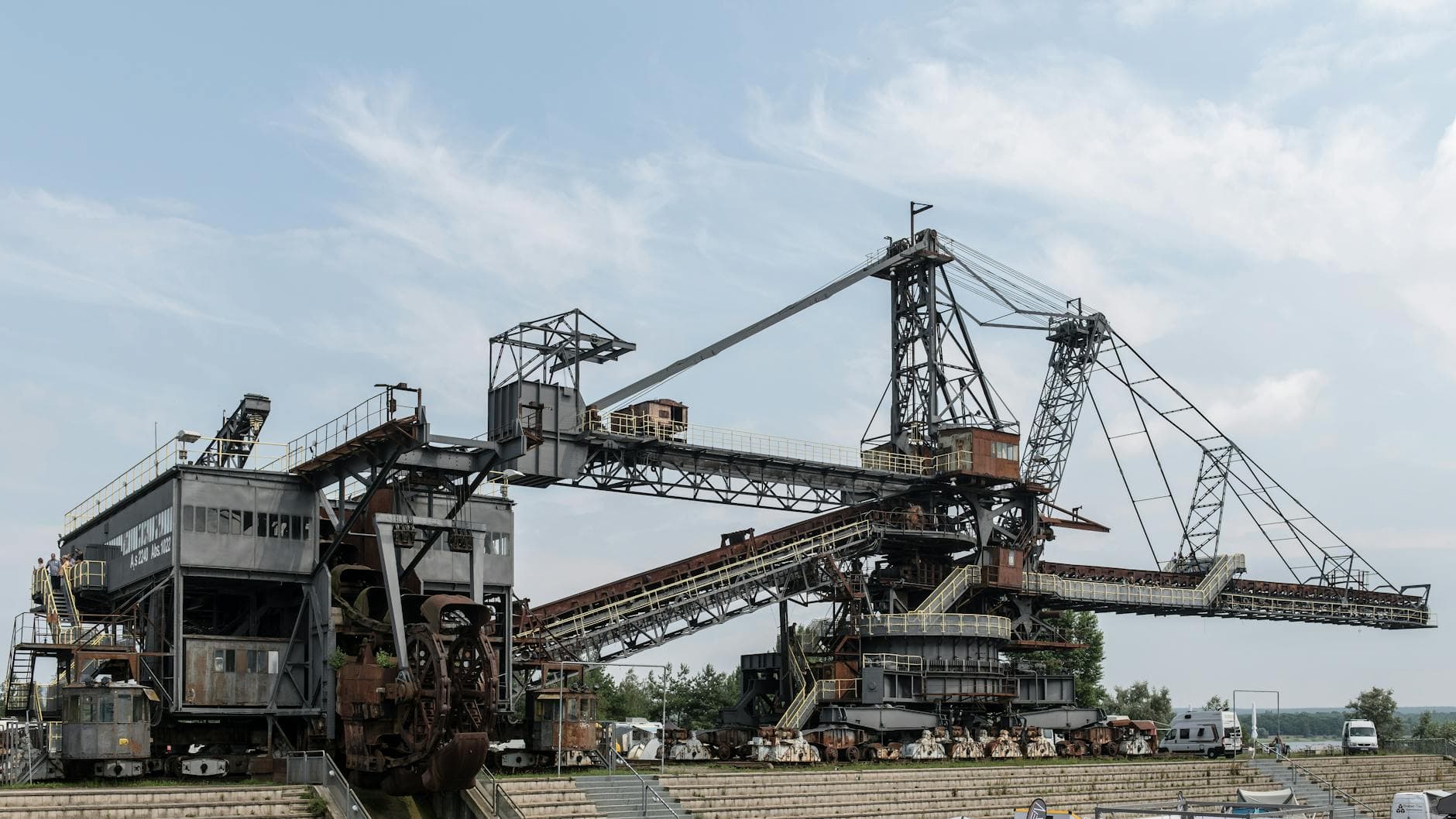
A new Grady Woods interview has put McDowell County back under a bright local spotlight, but the county’s real story still runs through its shrinking population, aging water systems and coal-country economy.
McDowell, the southernmost county in West Virginia, was created in 1858 and named for Virginia Gov. James McDowell. Welch remains its county seat and largest city, anchoring a county that spans 533.5 square miles and has long been shaped by mining towns, hollow roads and the Tug Fork River corridor.
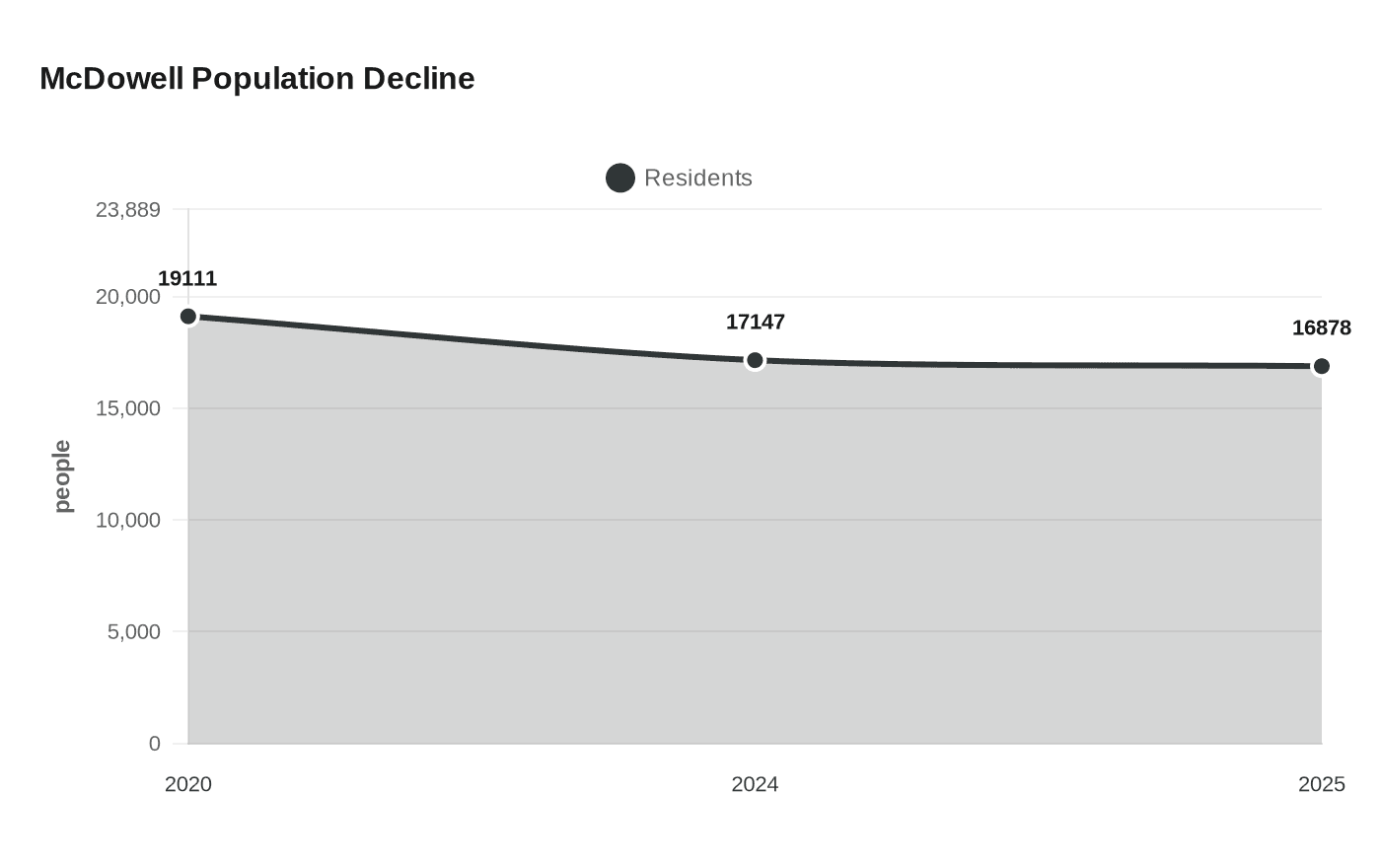
The numbers show how much pressure the county is under. The U.S. Census Bureau counted 19,111 residents in the 2020 Census. Its estimates fell to 17,147 in 2024 and 16,878 in 2025, continuing a long slide that mirrors the decline of coal jobs and the strain left behind when mines closed. Median household income stood at $31,559 in 2024, and just 6.8% of adults had a bachelor’s degree or higher.
That backdrop helps explain why any portrait of McDowell County lands with such force. Local and national coverage has repeatedly cast the county as one of the poorest in the country, but the experience on the ground is more complicated than a single label. Coal once supported wages, water systems and civic life in many communities. When the mines shut down, the county was left with brittle infrastructure and a long list of public health problems that still shape daily life in places like Welch and Gary.
Water remains one of the clearest examples. West Virginia Public Broadcasting reported in 2026 that five water and sewer projects in McDowell and Mingo counties received $9.5 million in funding. Other reporting said some McDowell communities had lived under an 11-year boil-water advisory before recent efforts began to connect homes to clean tap water. In former coal towns, coal companies once piped clean drinking water into homes, but aging systems now need major upgrades.
That is why the Woods interview matters beyond the footage itself. It lands in a county where people are still trying to balance memory and survival, preserving a sense of place while confronting failing pipes, population loss and the fallout from coal’s collapse. The defining question in McDowell is not whether the county has struggles. It is who gets to tell the story of how residents are meeting them.
This article was produced by Prism’s automated news system from verified source data, official records, and press releases, then run through automated quality and moderation checks before publishing. The system is built and supervised by the people who set the standards it runs under. Read our full AI policy.
Did this article answer your question?