Iaeger shrinks as McDowell County population falls to historic low
Iaeger is down to 228 residents, and McDowell County’s shrinking tax base is straining roads, schools and flood recovery in a valley built on rail and coal.
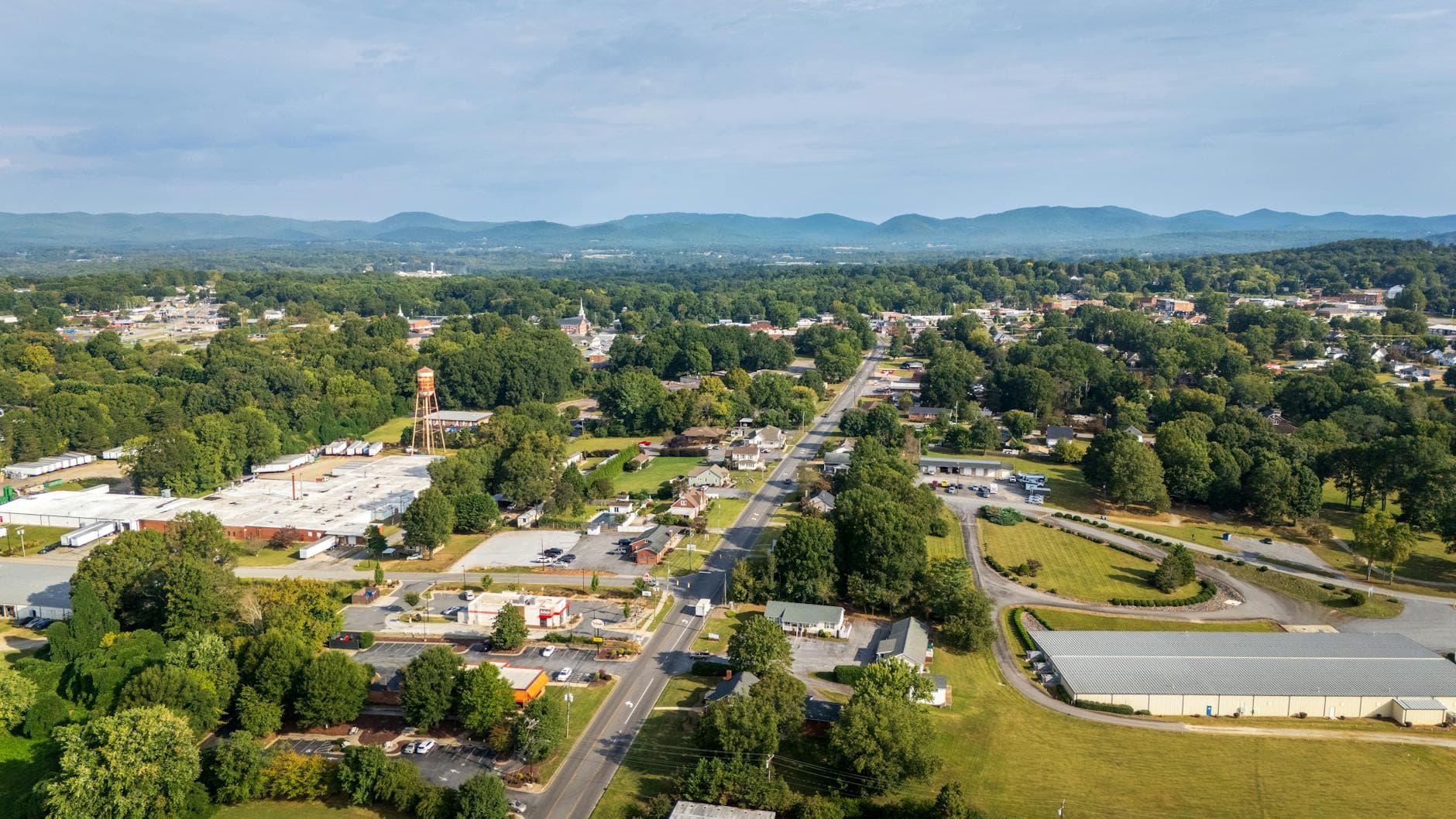
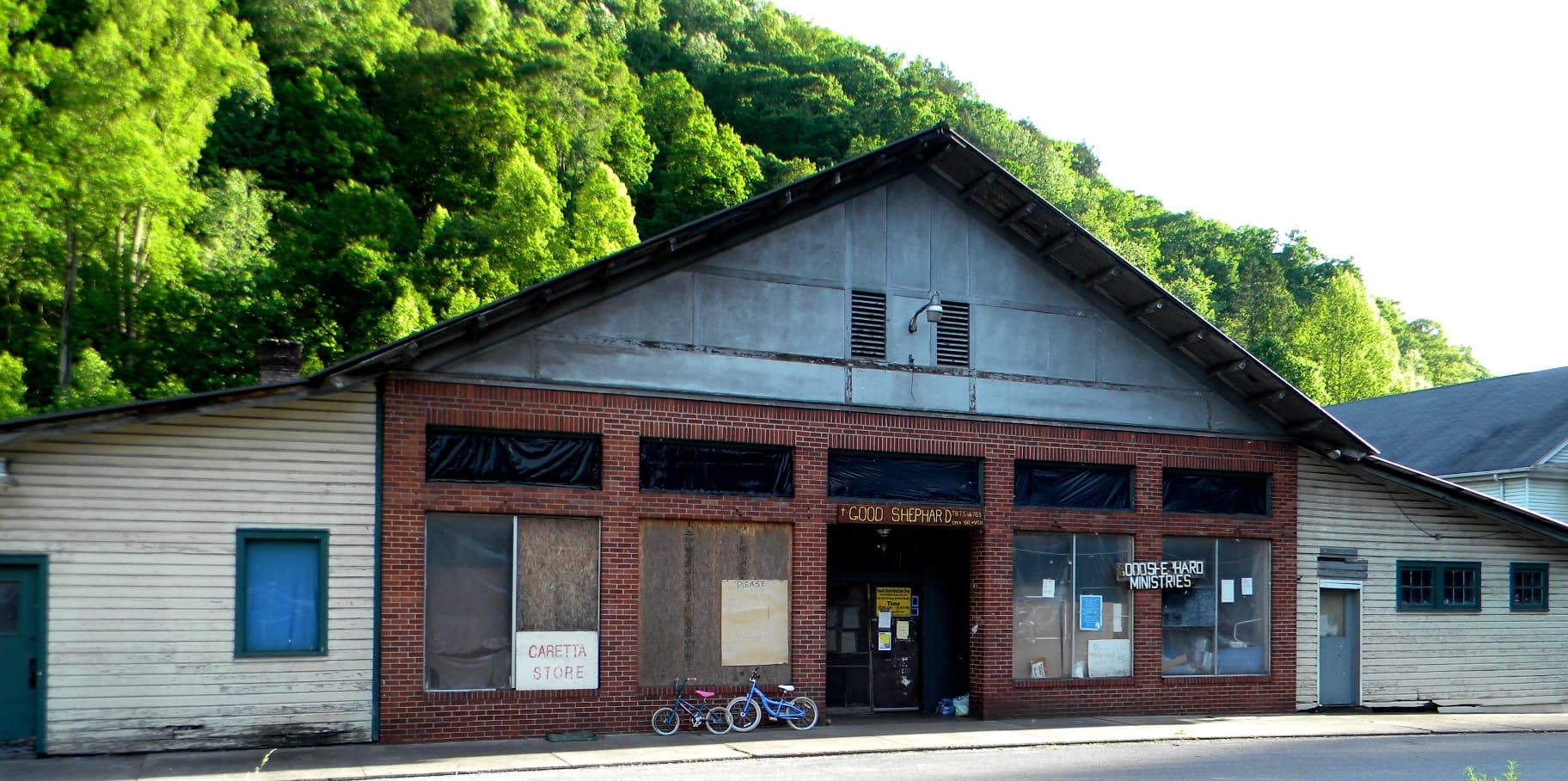
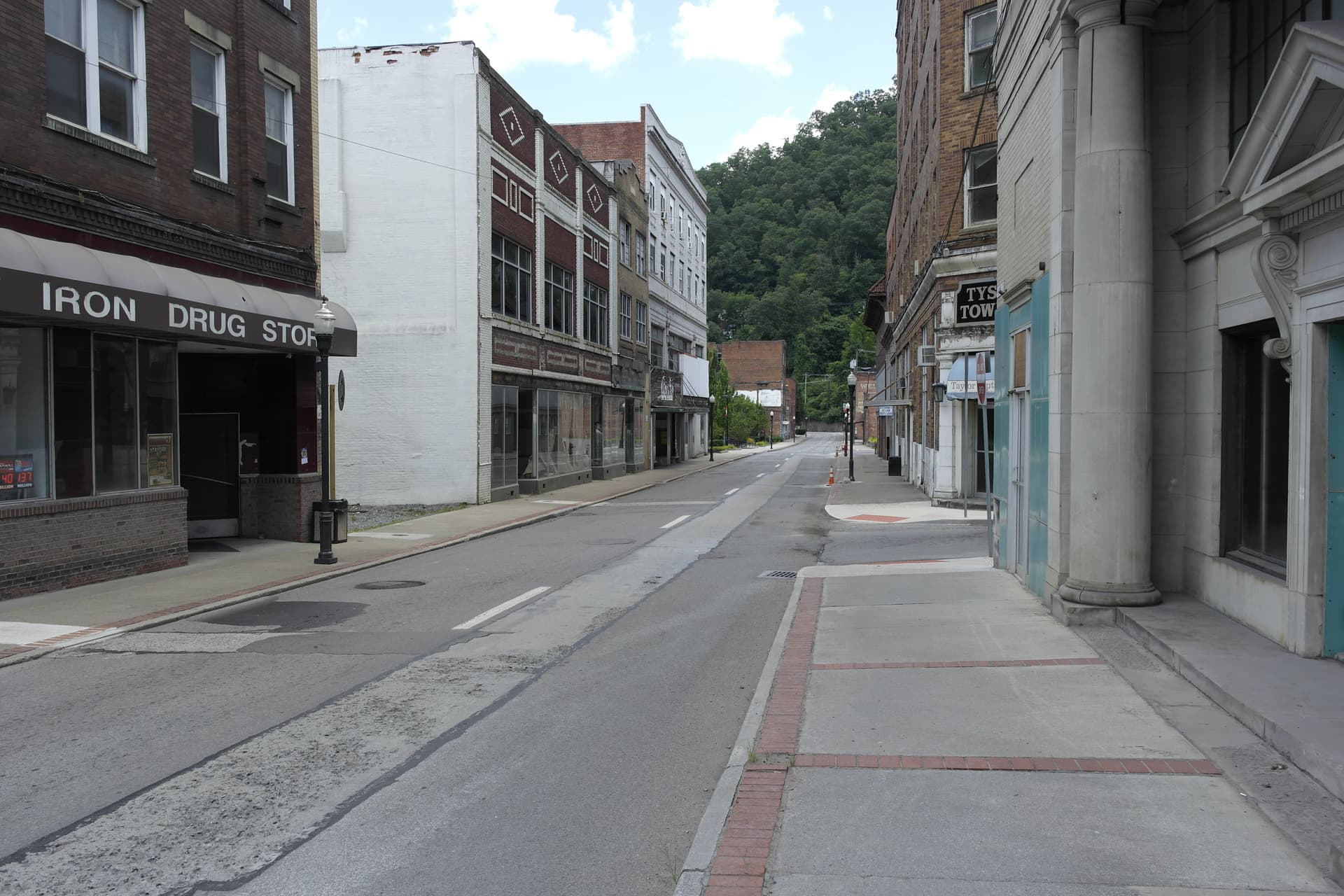
Iaeger has just 228 residents left, down from more than 1,200 in its coal-era heyday, and the loss is now measured as much in public services as in people. With fewer households on the rolls, the town has less to support roads, emergency response and the basic institutions that still keep life moving in one of West Virginia’s most isolated communities.
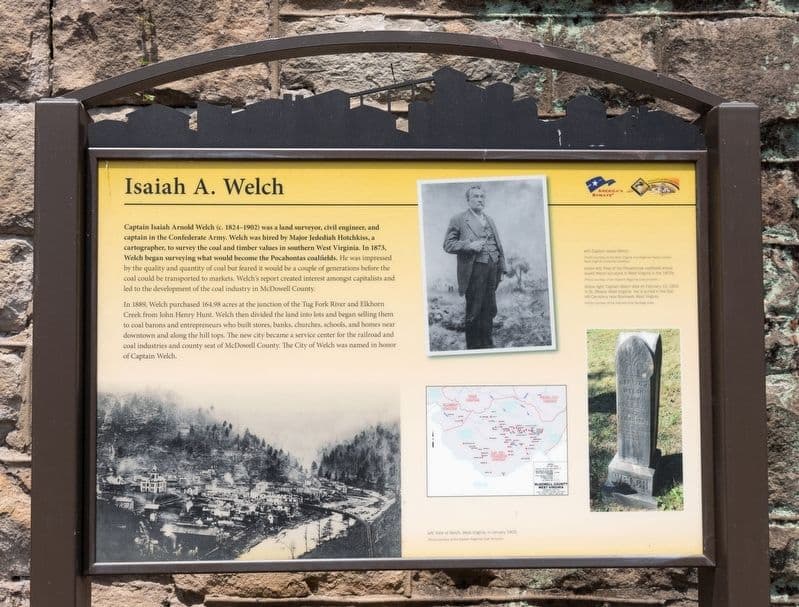
Incorporated in 1917, Iaeger grew up as a rail-linked coal town. West Virginia Archives and History says the place was once called the “Forks of the River” because the Dry Fork empties into the Tug River near what is now Iaeger High School. Railroad ties were floated down Dry Fork when the railroad was building the main track along the Tug, a reminder of how closely the town’s fate was tied to the coal economy and the rail line that served it.
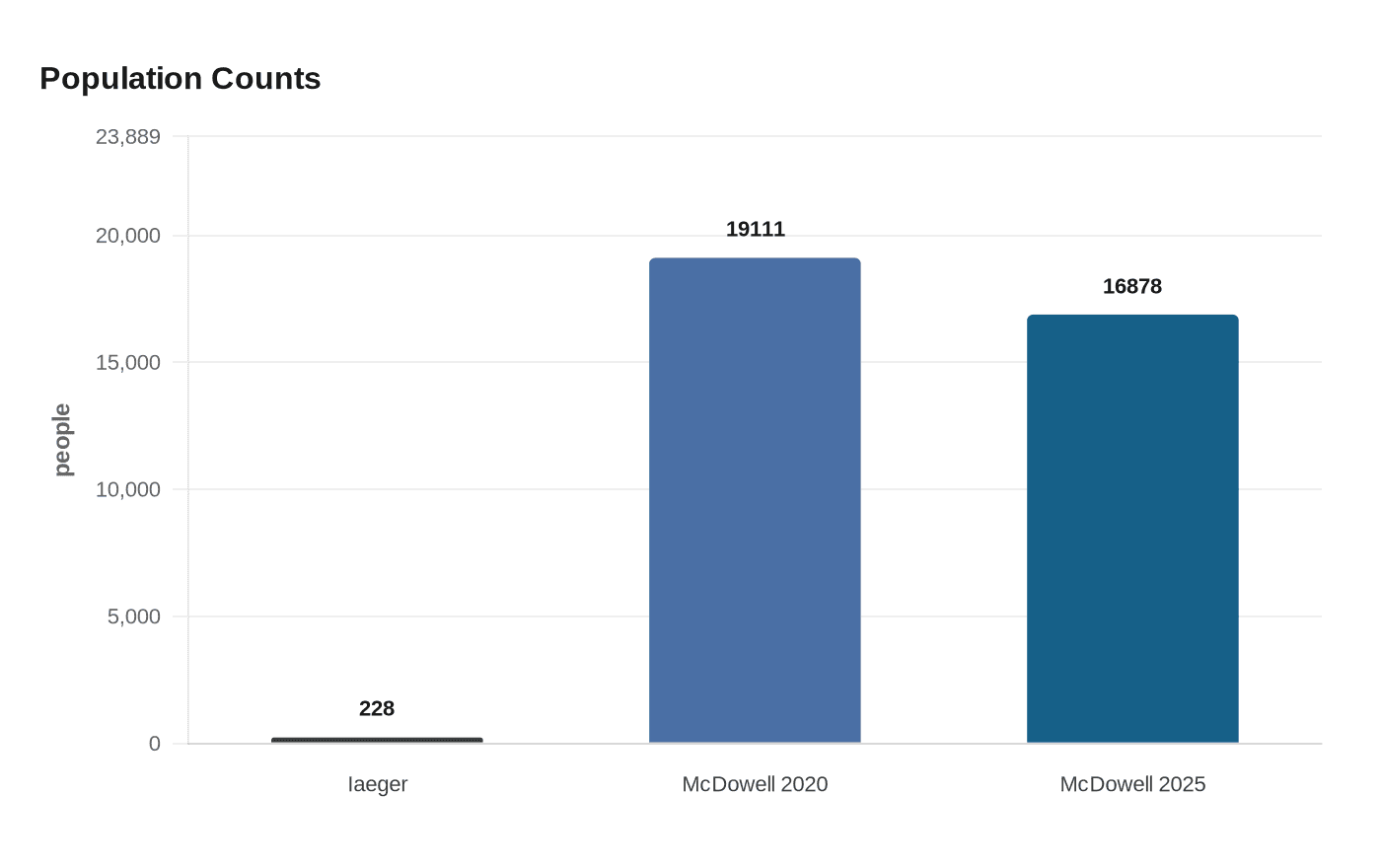
That economy has thinned across the county. McDowell County had 19,111 residents in the 2020 census, but its 2025 estimate fell to 16,878, a drop of 11.7% in just five years. The county now has its lowest population since 1900, according to e-WV, even though it once held nearly 100,000 people in 1950. Spread across 535 square miles in West Virginia’s southernmost county, the population loss leaves fewer taxpayers to cover the same roads, bridges, school routes and emergency calls.
Geography has made that decline harder to manage. McDowell sits on the headwaters of the Tug Fork, where rail lines and road access remain limited and the valley is narrow and flood-prone. The Tug Fork Valley flood in spring 1977 sent waters above 56 feet, and between 1946 and 1978 the region saw 24 major floods, averaging one every 1.3 years. By January 26, 1978, Senator Robert Byrd’s office said the flood then under way was the tenth major disaster to hit the valley in a decade.
The latest disaster came on February 15, 2025, when catastrophic flooding struck McDowell County and the southern coalfields, killing at least three people, leaving dozens missing and forcing more than 700 rescues. The county ranks first in the West Virginia Social Vulnerability Index and is the eighth-poorest county in the United States, while fewer than 3% of residential structures carry flood insurance and about 60% of the land is corporate-owned. CBS reported about $12 million in federal relief had reached the county, but many residents were still leaning on neighbors for help.
For Iaeger and the rest of McDowell County, the challenge is no longer only whether the coal economy can return. It is whether a shrinking, flood-battered county can keep schools, emergency services and local government functioning well enough for the people who remain.
This article was produced by Prism’s automated news system from verified source data, official records, and press releases, then run through automated quality and moderation checks before publishing. The system is built and supervised by the people who set the standards it runs under. Read our full AI policy.
Did this article answer your question?