Kimball nurses home added to National Register for Black health history
The Kimball nurses’ home was added to the National Register, spotlighting the Black hospital history buried at 21 Lavania Street.
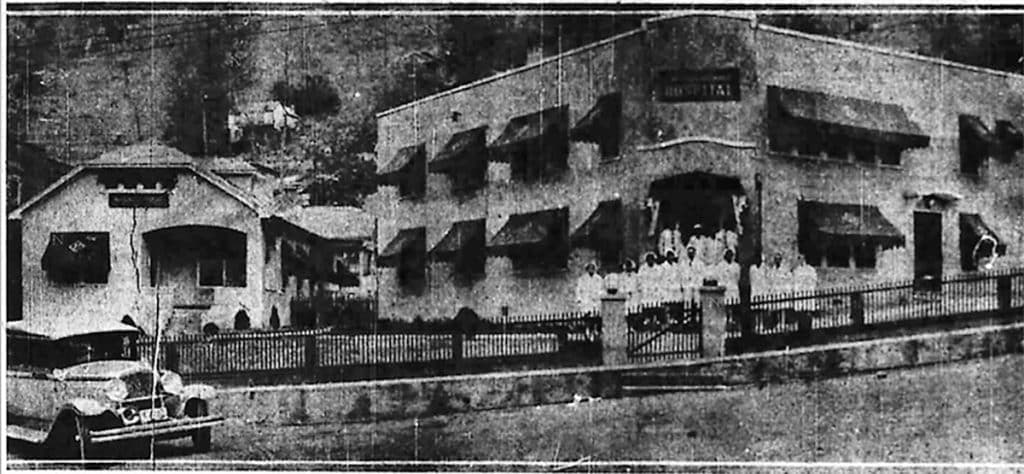
The Henrietta Dismukes Hospital Nurses Home at 21 Lavania Street in Kimball was added to the National Register of Historic Places on Jan. 8, 2026, giving McDowell County a new public marker for a Black medical story that shaped the coalfields and then nearly slipped from view. The surviving building is now listed as locally significant for Health/Medicine and Ethnic Heritage: Black, because it helped expand healthcare opportunities for African Americans in Kimball and the southern West Virginia coalfields.
That recognition matters because the nurses’ home is one of the few remaining pieces of a larger health system built to serve Black families during segregation. The National Register nomination says the site documents how Black residents in the coalfields had to navigate a separate and unequal medical landscape, and how care for African Americans was organized through institutions that were both fragile and essential. What remains visible today is the nurses’ home itself; much of the broader hospital story has already been lost.
The history centers on Dr. Henry Dodford Dismukes, an African American physician who founded a hospital in Kimball on land now used by Mennonite Central Committee. MCC’s Dismukes Project says the hospital opened in 1930, had 50 beds, the latest technology available for the period and five nurses living in the home next door. MCC also describes it as the largest privately owned Black hospital in the country for its time. The hospital operated until 1932, leaving the nurses’ home as the surviving structure from that short but consequential experiment in Black medical self-determination.
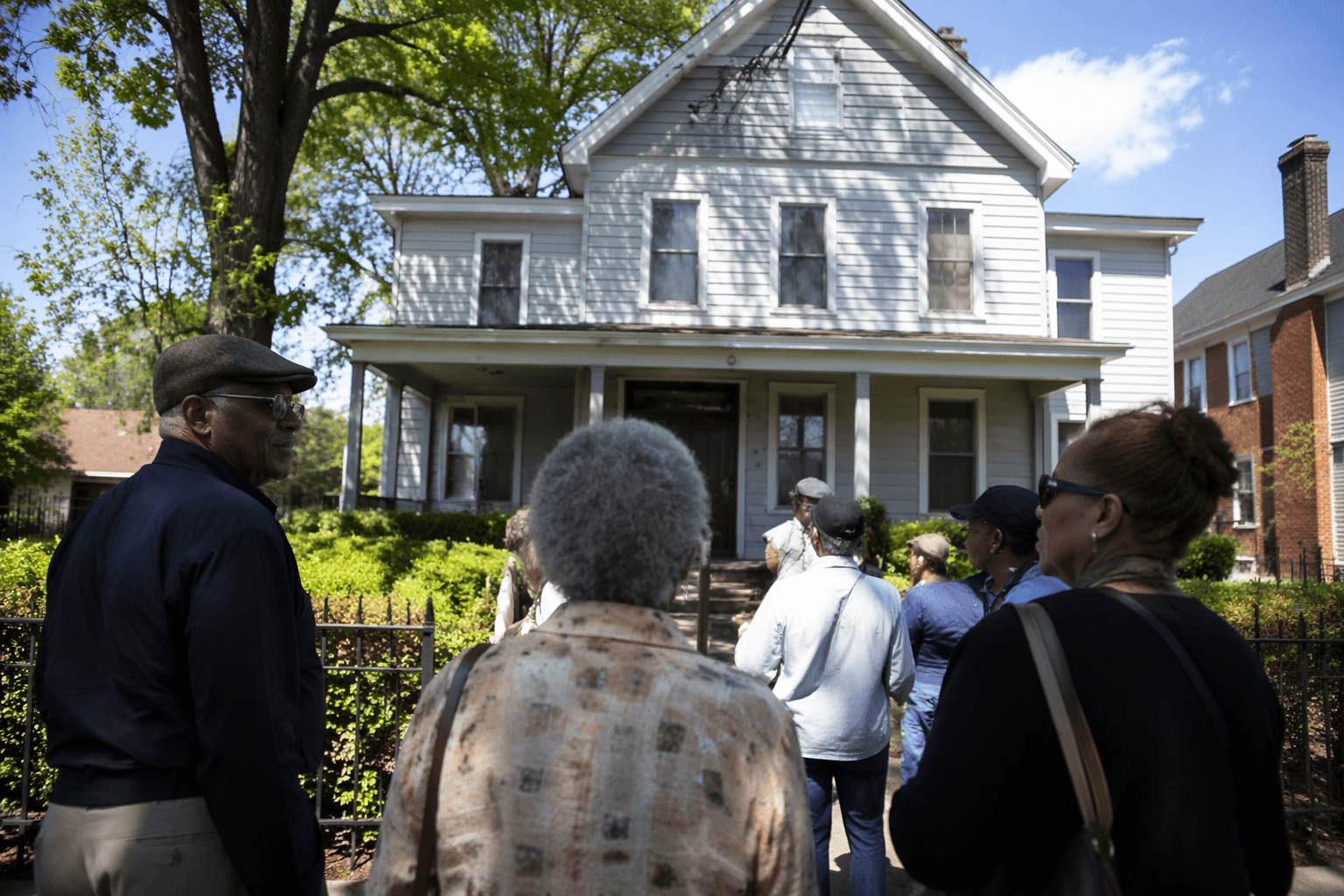
MCC says the story was nearly forgotten until staff rediscovered it after arriving in Kimball in 2020. That gap in memory is part of what makes the National Register listing important in McDowell County now: it places Black health care, local philanthropy and coalfield segregation into the official record, where residents can see how access to medicine was built separately, and unequally, in towns like Kimball. The preservation milestone does not restore the lost hospital, but it does secure the one building that still carries the rest of the history.
This article was produced by Prism’s automated news system from verified source data, official records, and press releases, then run through automated quality and moderation checks before publishing. The system is built and supervised by the people who set the standards it runs under. Read our full AI policy.
Know something we missed? Have a correction or additional information?
Submit a Tip