Low-Security FCI McDowell Anchors Welch Economy and Public Safety
FCI McDowell provides steady federal jobs and public-safety support in Welch, shaping family, legal, and local economic dynamics.

FCI McDowell in Welch serves as a low-security federal correctional institution that houses sentenced male inmates and supports a range of staff and operational functions. The complex also includes adjacent detention and administrative units run by the Federal Bureau of Prisons, and its presence is woven into McDowell County’s economy, public-safety arrangements, and family support networks.
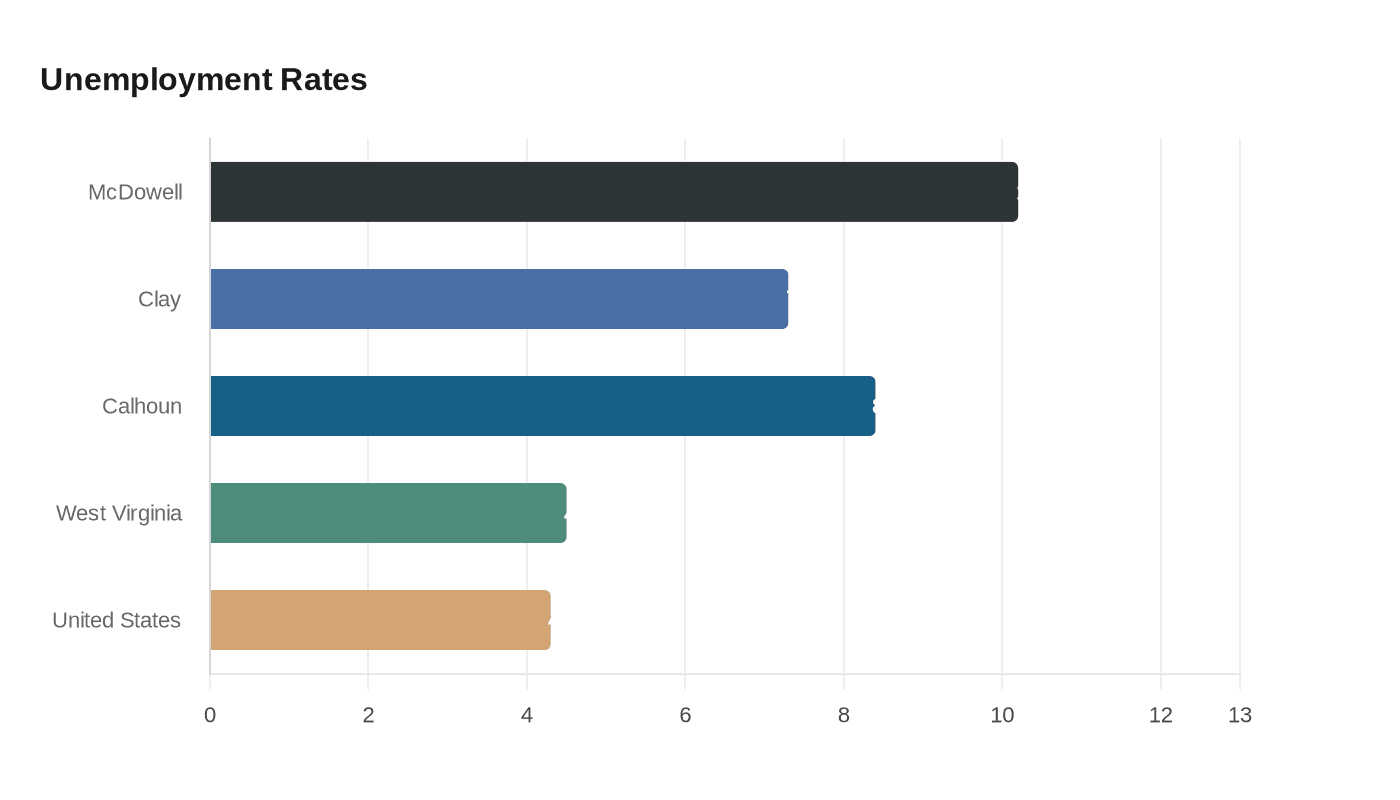
As one of the region’s larger federal employers, FCI McDowell anchors payrolls in the community and sustains local businesses that serve employees, visitors, and contractors. Local grocery, service, and transportation providers see regular demand related to staff shifts and inmate visits. The facility’s steady wages and benefits provide a counterweight to the volatility that can afflict other local industries, making the prison a key element of household incomes and municipal revenue streams.
FCI McDowell also shapes public-safety operations. Coordination between the Federal Bureau of Prisons and local law enforcement affects emergency planning, prisoner transport, and courthouse logistics. The adjacent administrative and detention units concentrate legal activity in Welch and increase demand for legal services, public defenders, and family-support organizations that help residents navigate visitation and reentry issues.
The institution’s low-security classification and the fact that BOP facility classifications and population levels vary over time mean the facility’s economic footprint is not fixed. Changes in federal prison policy, population management, or funding could alter staffing needs and the flow of visitors. Those variables create both stability and vulnerability for a county that relies on a major single employer for jobs and related economic activity.
From a policy standpoint, local leaders face a balance between supporting the facility as an economic anchor and diversifying the county’s job base to reduce exposure to federal corrections policy shifts. Investments in workforce training, transport links, and services for families of incarcerated people can translate the present economic reliance into longer-term community resilience. For public-safety officials, preserving constructive working relationships with Federal Bureau of Prisons staff helps maintain operational readiness while protecting local priorities.
For residents of Welch and McDowell County, FCI McDowell means regular paychecks for many families, ongoing demand for local services, and continued interaction with the federal justice system. The facility’s role in employment and public safety will remain central unless federal policy or population dynamics change. Community leaders and households alike should factor the institution’s influence into planning, workforce development, and local budgeting as they look ahead.
Know something we missed? Have a correction or additional information?
Submit a Tip