McDowell County commissioners target dilapidated buildings with cleanup grants
County leaders are turning grant money into demolition bids, aiming to erase blight that drags on property values, safety and redevelopment.
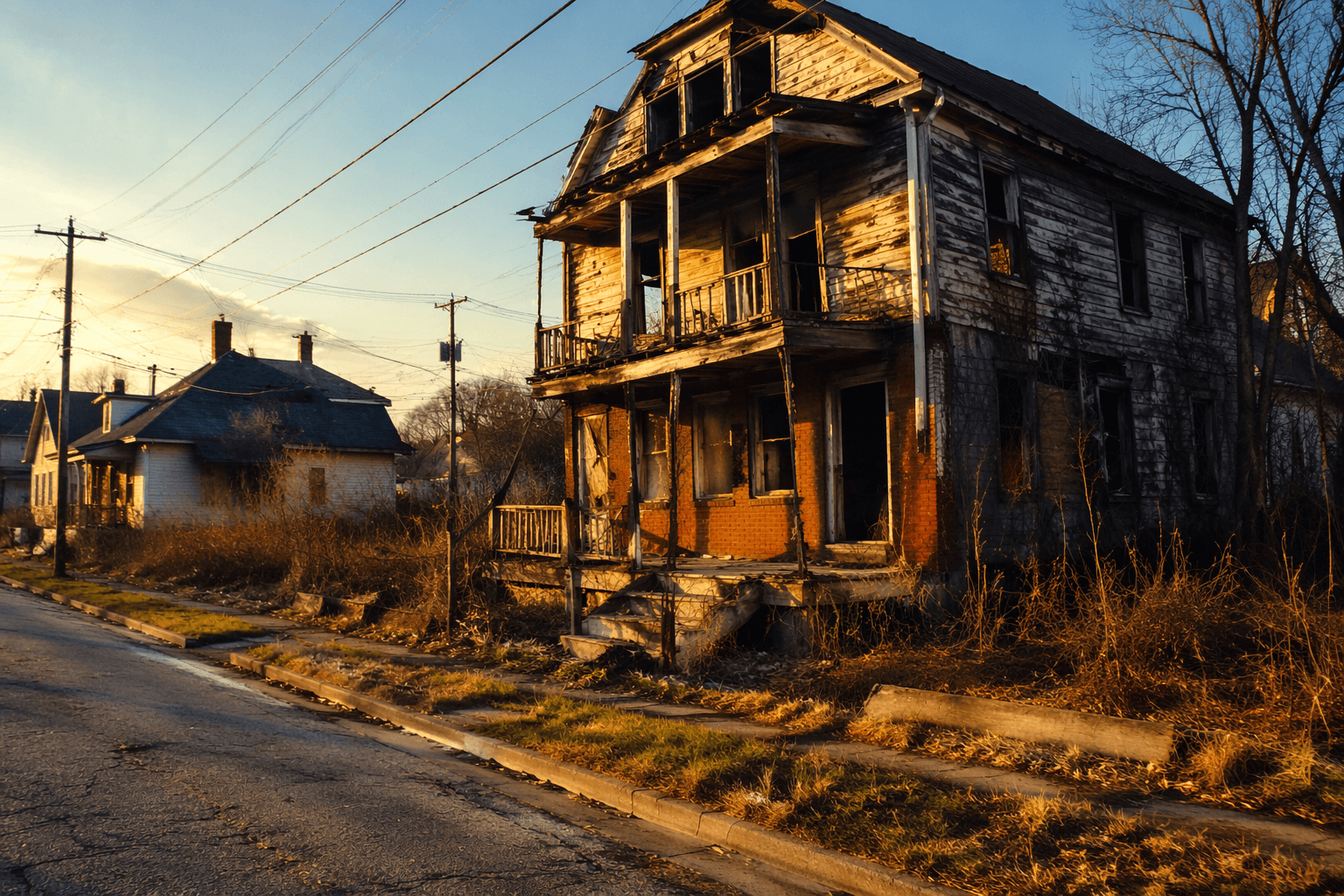
McDowell County commissioners have moved from talking about blight to paying to tear it down, using grant money to target dangerous and abandoned buildings that have long weighed on nearby homes, roads and business corridors.
The county said it had secured cleanup funds and had begun work to address dilapidated structures across McDowell. A legal notice in May showed that effort was already shifting into procurement, with the commission accepting sealed bids for the demolition of selected properties and opening them at a special meeting on May 6, 2026.
The work is tied to West Virginia’s Dilapidated Properties Program, created in 2021 under Senate Bill 368 and run through the West Virginia Department of Environmental Protection’s REAP office. In January 2024, 69 communities were approved for $15,662,250 in grants statewide, and nearly 1,300 dilapidated properties were slated for demolition in that second phase. For McDowell, the grant-backed approach matters because it reduces the strain on local taxpayers while giving the county a way to remove structures that have sat vacant, burned or collapsed for years.
The county has been wrestling with this problem for a long time. In 2020, Kimball served as a pilot site for a demolition project, and DEP Deputy Environmental Advocate Dennis Stottlemyer said dilapidated and abandoned structures were “a safety hazard, an environmental hazard, and a hindrance to redevelopment.” That remains the central tradeoff in McDowell County: every abandoned house or storefront taken down can improve how a block looks and feels, but it also has to be part of a larger plan to make the surrounding property worth investing in again.
The cleanup push also fits a longer inventory effort. In 2019, Congresswoman Carol Miller announced a $40,000 Appalachian Regional Commission grant, along with $10,000 from the Region One Planning and Development Commission, to help McDowell County catalog structures and decide whether they could be rehabilitated or needed demolition. A WVU Brownfields Center study later identified 72 prioritized properties in 2024, and 54.1 percent of them were in FEMA flood zone-related areas, showing how closely blight removal overlaps with flood risk.
That overlap has become more urgent after repeated disasters. In July 2021, Gov. Jim Justice declared a state of emergency after flooding damaged more than 75 homes, 12 bridges and multiple roads in McDowell County. By June 2025, reporting said about 30 flood-zone structures could be acquired by the county, underscoring how cleanup, recovery and floodplain management have started to merge into one redevelopment strategy.
For residents in Welch, Kimball and other hard-hit communities, the stakes are practical, not cosmetic. The county’s latest move suggests that the next phase is not just about knocking down eyesores, but about whether removal can steady property values, improve public safety and make long-neglected land ready for something better.
This article was produced by Prism’s automated news system from verified source data, official records, and press releases, then run through automated quality and moderation checks before publishing. The system is built and supervised by the people who set the standards it runs under. Read our full AI policy.
Know something we missed? Have a correction or additional information?
Submit a Tip