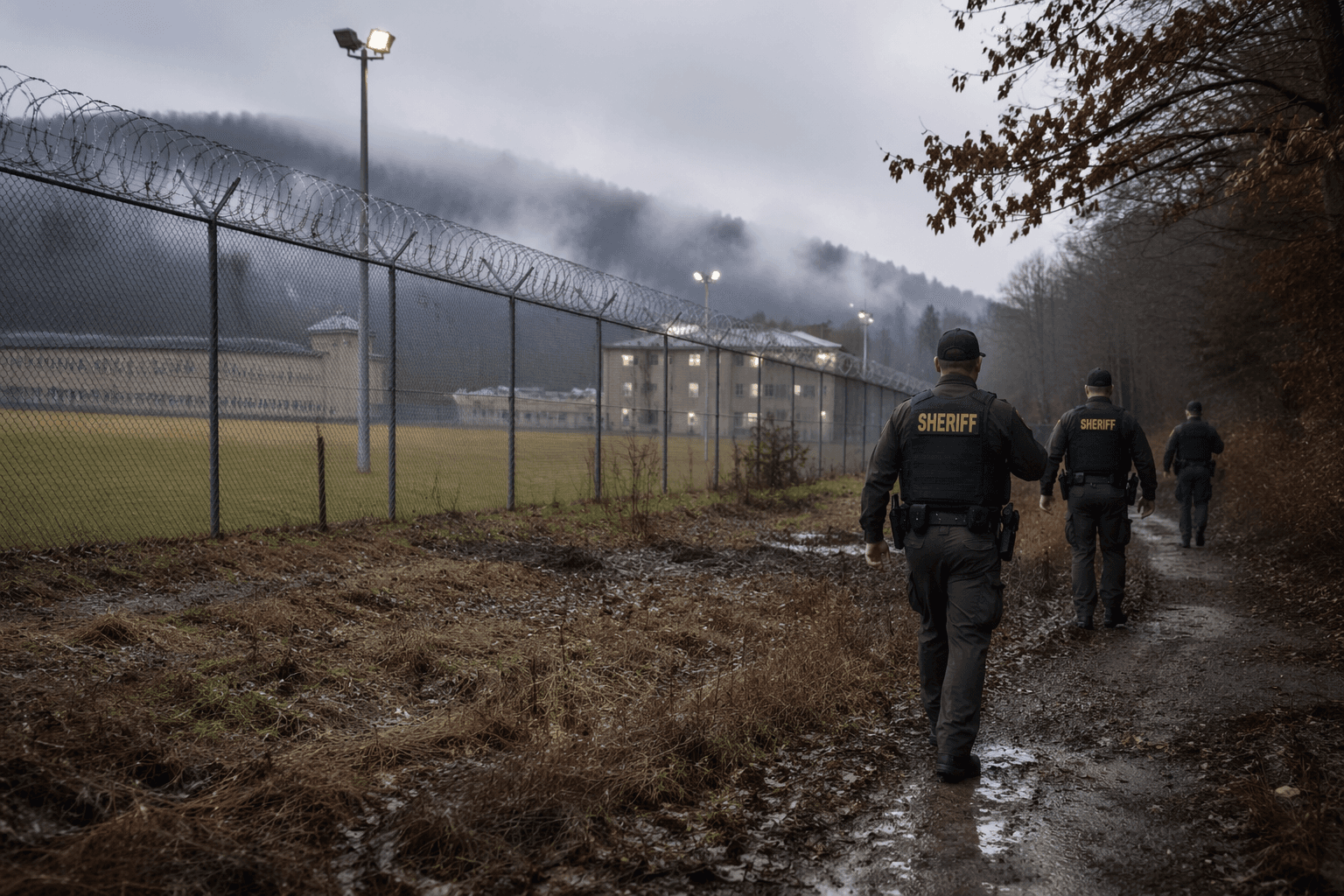
McDowell County Officials Work to Reverse Decades of Population Decline
McDowell County has lost 80% of its population while the U.S. doubled. A new group called Prosper McDowell is now pushing to reverse it.
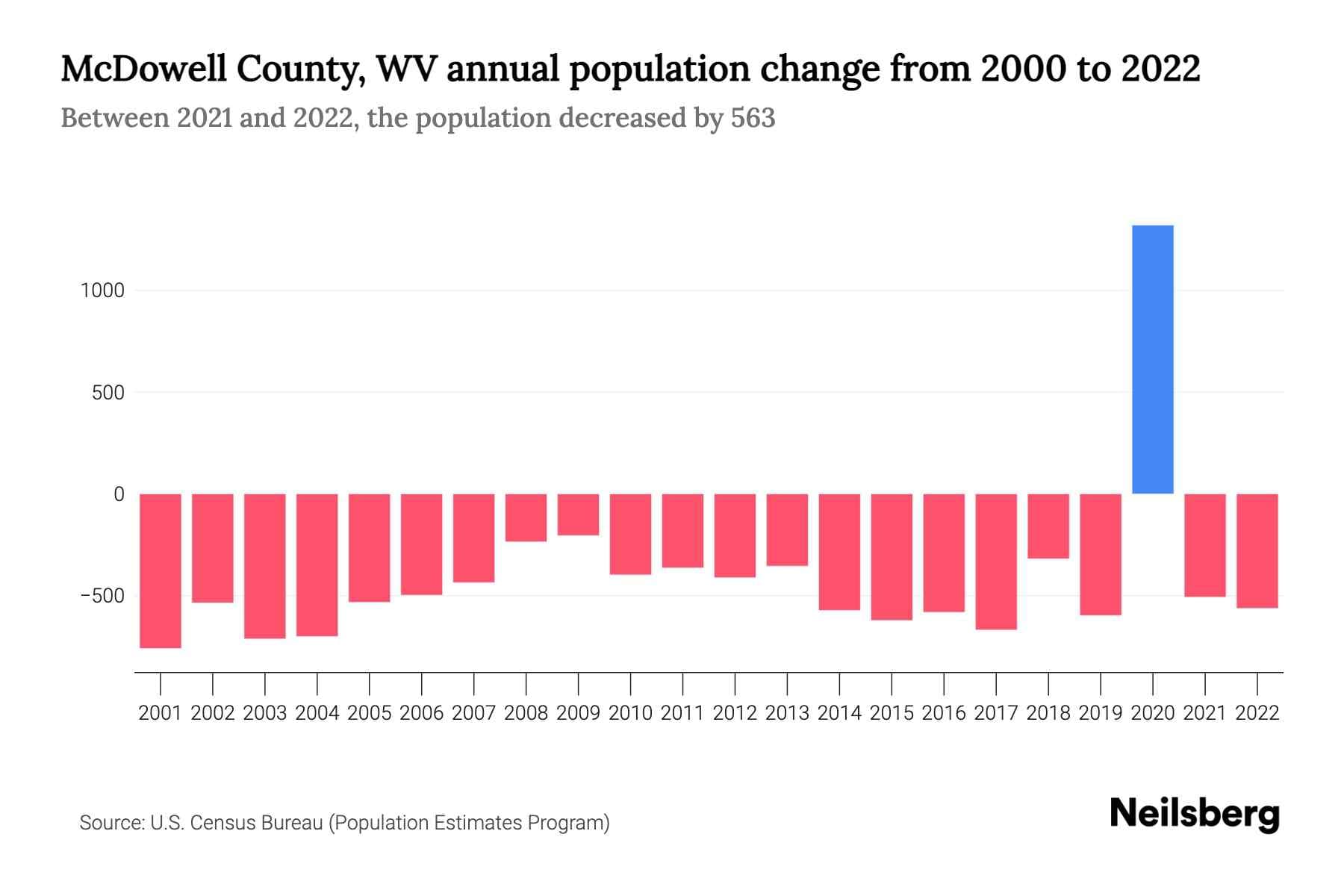
McDowell County has shed 80 percent of its population during the same period the United States population doubled, a staggering inversion that a newly formed coalition called Prosper McDowell is now mobilizing to reverse.
Del. David Green, a Republican who represents McDowell in the West Virginia House and serves as president of Prosper McDowell, launched the organization after concluding no single official or agency could close the gap alone. Jennifer Justice, president of the McDowell County Chamber of Commerce, framed the coalition's posture without ambiguity: "Our saying is we're not waiting on somebody to come save us, we are ready to save ourselves."
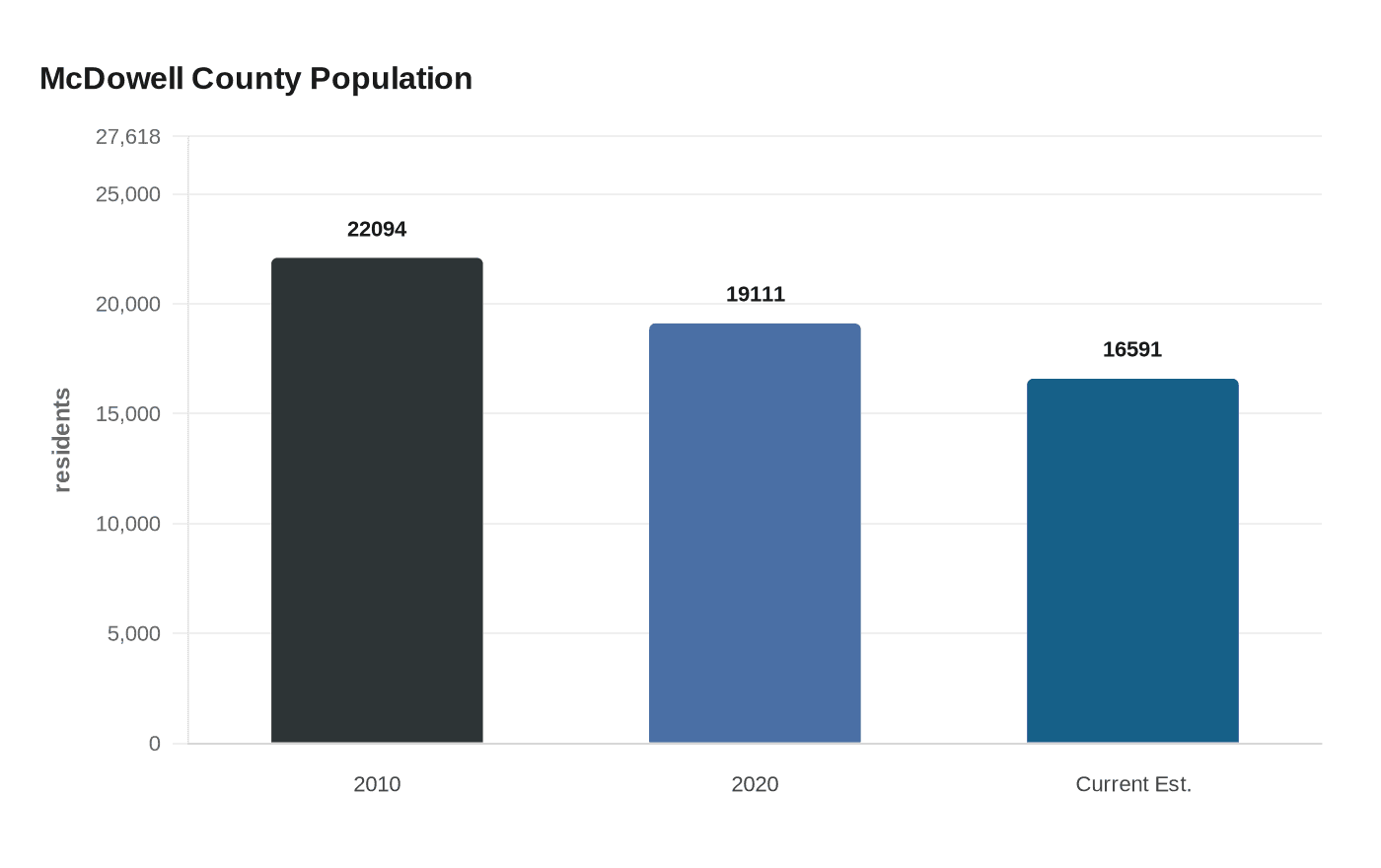
The numbers behind that urgency are severe. The county counted 19,111 residents at the 2020 Census, itself already a fraction of its coal-era peak, and has since shed an estimated 11.8 percent more, with current estimates putting the total near 16,591. The 2010 population stood at 22,094. Across all those years, the driver has been the same: the collapse of coal employment that once made McDowell one of the most productive coal counties in the nation, followed by outmigration, a shrinking tax base, and a workforce too thin to attract replacement employers.
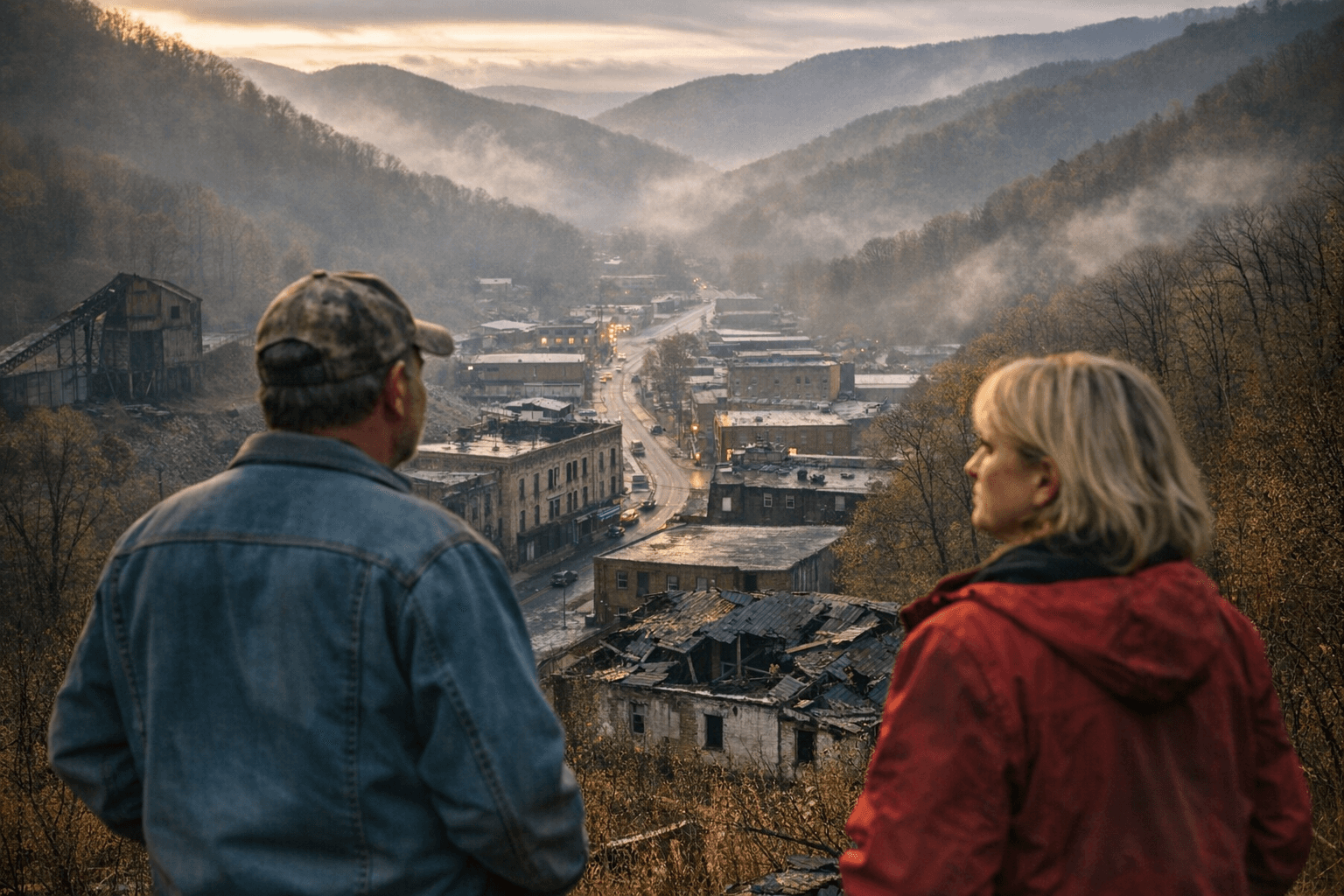
The fiscal spiral feeds itself. Fewer residents generate less property and business tax revenue, which limits the county's capacity to fund the schools, roads, and services that might persuade a family to move in. School enrollments drop alongside the population, raising the prospect of further consolidations and the jobs that disappear with each one. Healthcare delivery grows harder as patient volumes fall. Young people, finding fewer career paths, leave.
Green said the group is aiming for something beyond holding the line. "We are not happy with status quo. And we are not going to be happy to just stay the way that we are," he said. "We want to be able to see our county get better."
Prosper McDowell's strategy centers on multi-level coordination rather than one-off grants: improvements to water and wastewater infrastructure, broadband expansion, workforce development tied to realistic local job prospects, and projects that unlock federal abandoned-mine-land funding. Officials also see the county's natural landscape and Appalachian heritage as an underused tourism asset, though they acknowledge that potential is constrained as long as basic infrastructure gaps persist.
Justice's framing of the challenge as a self-rescue mission signals a shift in how McDowell's leaders are approaching a problem that has outlasted many prior programs. Whether Prosper McDowell can translate that posture into measurable population gains will be one of the more telling economic tests in southern West Virginia in the years ahead.
This article was produced by Prism’s automated news system from verified source data, official records, and press releases, then run through automated quality and moderation checks before publishing. The system is built and supervised by the people who set the standards it runs under. Read our full AI policy.
Did this article answer your question?