McDowell County pitched as ATV hub, base camp for trail riders
McDowell County's ATV pitch hinges on whether riders keep spending in Northfork, Keystone, and Welch. The county's small economy needs those trail dollars to stick.
ATV base camp, not just a pass-through
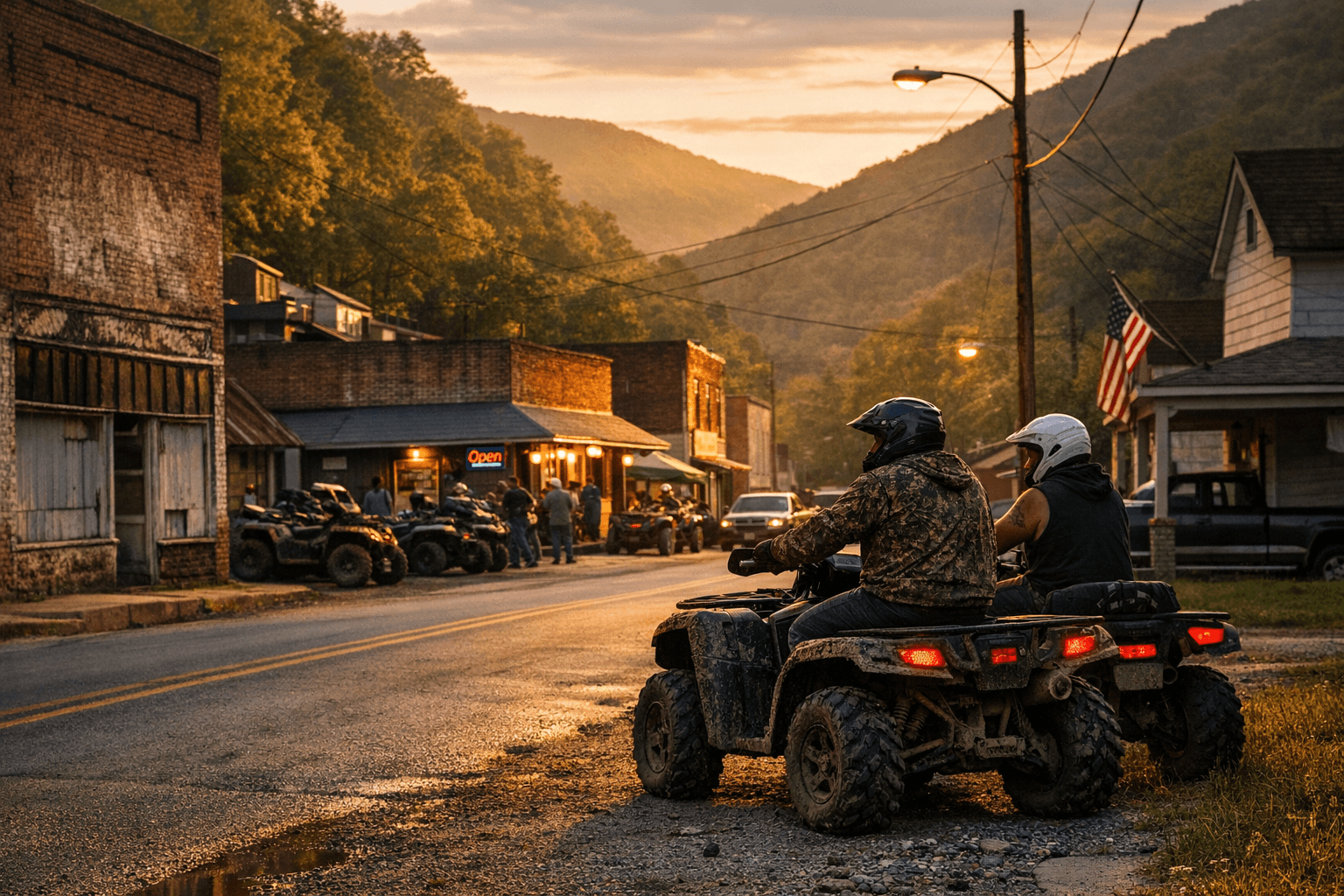
Northfork and Keystone are the places that make McDowell County's ATV pitch work. West Virginia Tourism is selling the county as a base camp for riders, pointing to Indian Ridge, the Hatfield-McCoy connection, and the fuel, food, and lodging that trail traffic can bring into town.
That matters because the payoff is not measured only in trail miles. It is measured in motel rooms, cabin rentals, convenience-store receipts, restaurant tabs, and the steady demand for ATV-related services that riders need before they head back out. For McDowell County, the real test is whether the county can turn trail access into spending that stays local.
Why the county is leaning on trail tourism
McDowell County has the geography for this kind of tourism pitch. It covers 533.5 square miles, far more land than most counties in the state, and its rugged terrain gives riders long stretches of backcountry to explore. The county also sits directly in the Hatfield-McCoy network, which gives it a built-in connection to one of West Virginia's biggest outdoor-recreation brands.
The economic backdrop helps explain why the county is being pushed in this direction. McDowell's population was 19,111 in the 2020 Census and is estimated at 16,878 in July 2025. Median household income is $31,559, only 6.8% of adults age 25 and older have a bachelor's degree or higher, and there were 213 employer establishments in 2023. Those numbers point to a small local economy that has limited room to absorb another long decline in traditional industries.
How the Hatfield-McCoy system drives traffic
The Hatfield-McCoy Trail system has been built over decades into a major tourism engine. The trail coalition that led the project formed in 1990, the first section opened in October 2000, and the system was designed as a public-private partnership involving private landowners and state management. By 2024, 11 trail sections totaling more than 1,000 miles were open, and the system was issuing more than 30,000 permits annually.
The permit numbers show how much traffic the system can generate. A 2024 state press release said 92,000 permits were sold in 2023, a 6% increase from the year before and more than double sales from eight years earlier. The Hatfield-McCoy Regional Recreation Authority also reported $3,748,492 in user permit sales for 2024, a reminder that the trail system is not just a recreation brand but a public revenue source.
That scale is important for McDowell because the county is not trying to build tourism from scratch. It is trying to catch riders already coming to the region and keep them in local towns long enough to spend money.
Indian Ridge is the local gateway
Indian Ridge is the clearest example of how McDowell County fits into the larger trail map. Visit Southern West Virginia says the system offers 63 miles of trails in McDowell County and links to the communities of Keystone and Northfork. West Virginia Tourism says Indian Ridge offers a variety of trails for different skill levels, which broadens the appeal for beginners, families, and more experienced riders.
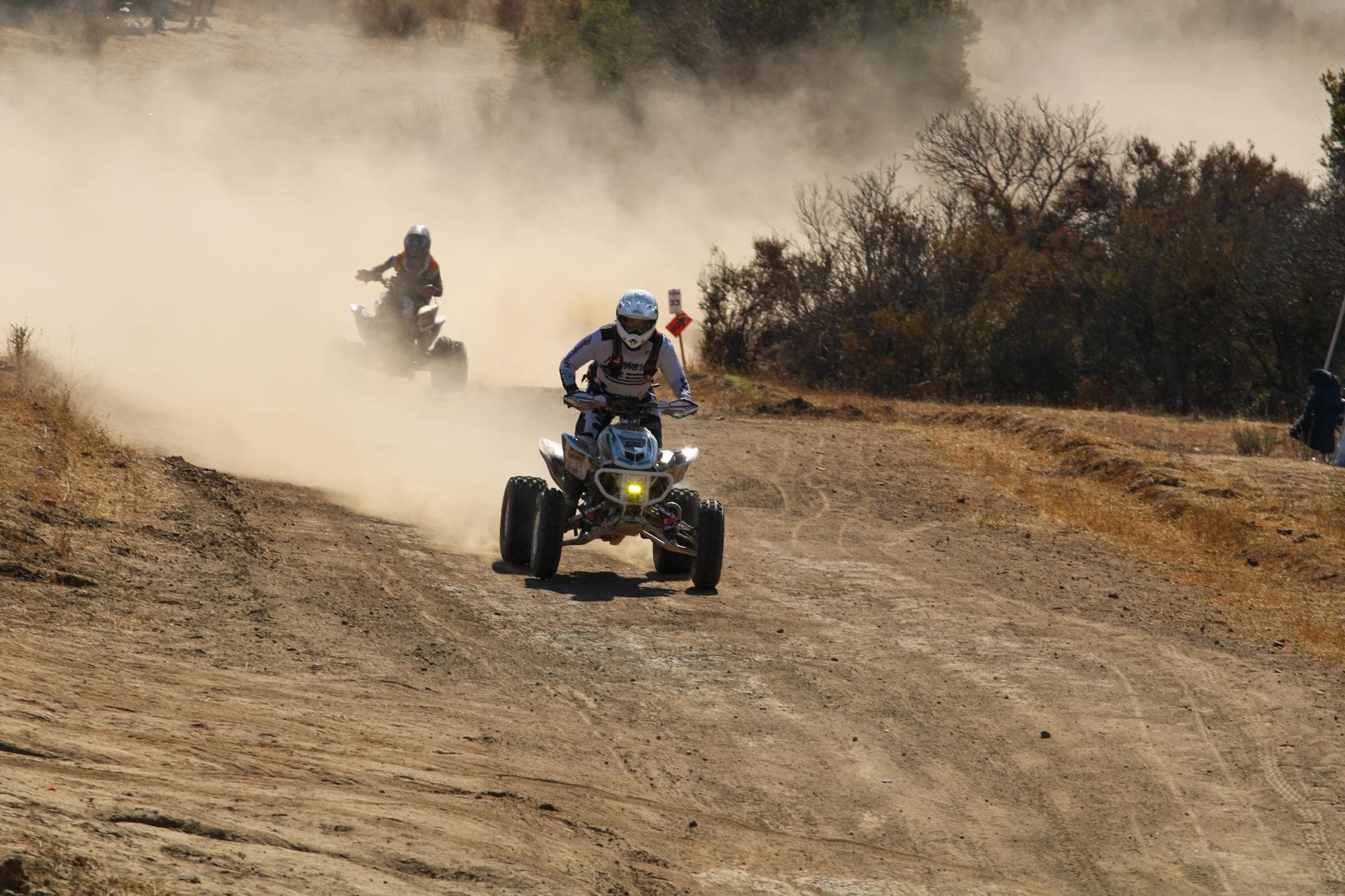
The practical value is simple: trail users can ride, stop for supplies, and get back out without leaving the county. That makes Northfork and Keystone more than dots on a map. It gives them the role of service hubs, where riders can find gas, food, and lodging instead of treating McDowell as a place to pass through on the way somewhere else.
The corridor also connects to nearby systems, including Pinnacle Creek and Pocahontas, extending the trip across county lines. That wider route network is part of the appeal for weekend riders looking for a loop, but it also means McDowell's businesses compete to hold riders overnight rather than losing them after a single fuel stop.
A county built on coal is being recast around recreation
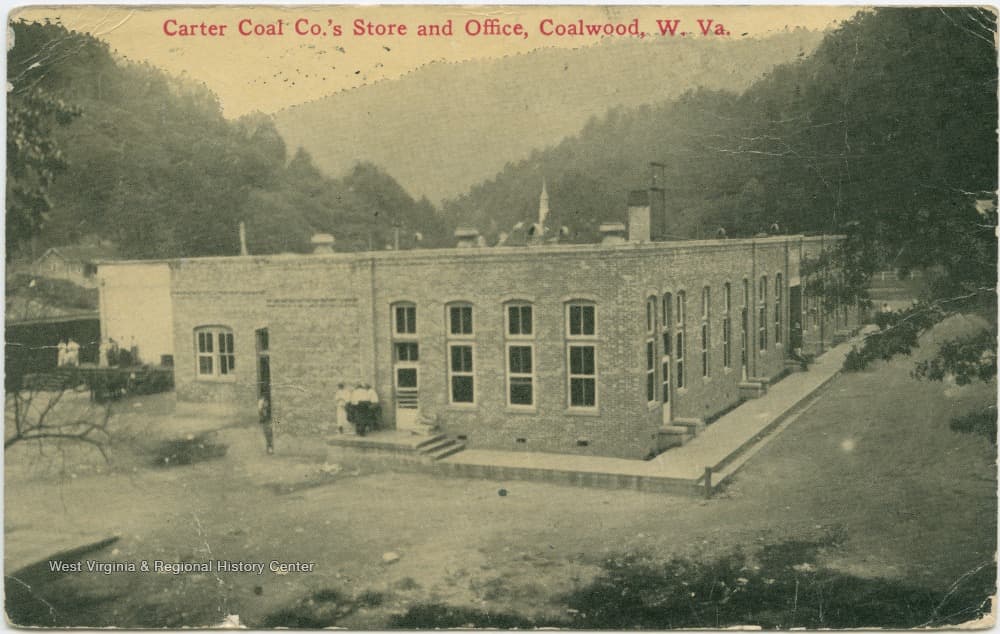
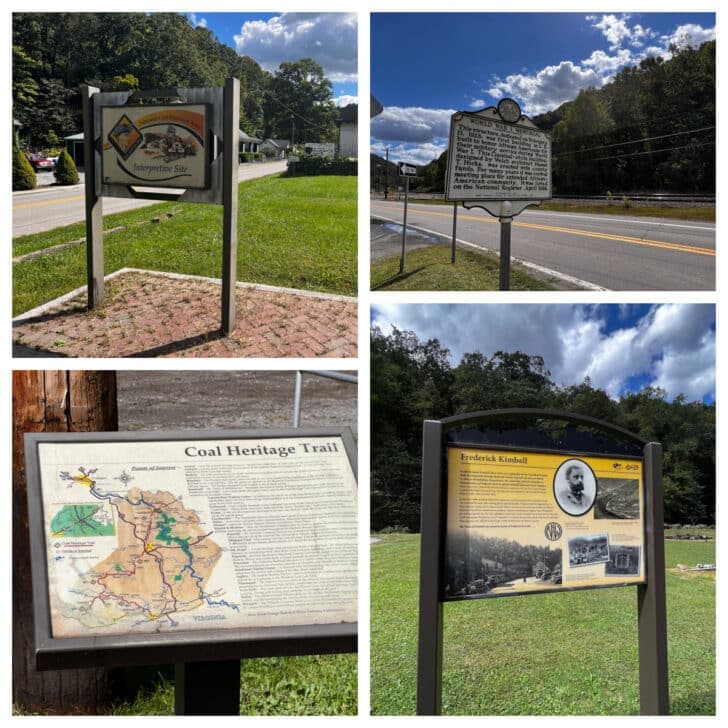
The tourism push lands in a county with deep coal history. The National Coal Heritage Area says McDowell is part of a 13-county coal heritage region designated in 1996, and West Virginia tourism history materials note that the county once held the distinction of being the world's leading coal-producing county.
That legacy helps explain why the ATV message carries symbolic weight. McDowell is being presented not just as a scenic destination but as a county that can add a new economic layer to an old coalfield identity. For residents, that shift is less about branding than about whether a rider-friendly economy can create dependable work for motels, cabins, stores, restaurants, and maintenance businesses.
The promise is real, but so is the limit. Trail tourism can bring a burst of spending into a small county, yet the benefits depend on how many businesses are positioned to capture it and how well the region handles the traffic that comes with it.
What the base-camp label actually means on the ground
In practice, the base-camp label means McDowell County has to function like a travel service center. Riders need places to park trailers, fill up tanks, buy meals, grab parts, and spend the night before heading back onto the trails. The county's advantage is that Indian Ridge and the larger Hatfield-McCoy network already pull riders close to communities that can serve that need.
The weakness is that the money does not automatically spread evenly. If riders buy fuel and food but sleep elsewhere, the county gets some benefit but not the full return. If local lodging, restaurants, and ATV services are ready for the traffic, more of each trip can stay inside McDowell County.
That is why the ATV pitch is best understood as a test of economic conversion. McDowell already has the trails, the history, and the countywide scale to attract riders. The question now is whether Northfork, Keystone, Welch, and the surrounding towns can turn that movement into something visible in local paychecks and storefronts.
This article was produced by Prism’s automated news system from verified source data, official records, and press releases, then run through automated quality and moderation checks before publishing. The system is built and supervised by the people who set the standards it runs under. Read our full AI policy.
Did this article answer your question?