McDowell County Residents Guide to Tracking Local Government Decisions
Most McDowell County government decisions affecting your water, schools, and taxes are public record — here's exactly where to find them before they take effect.
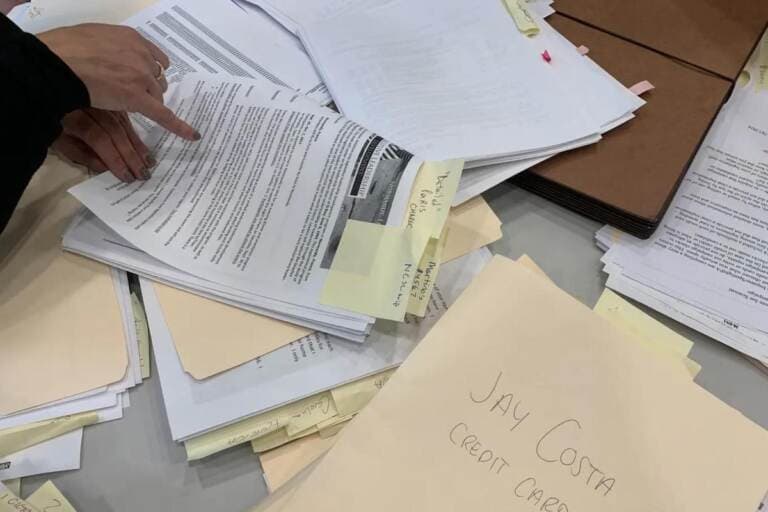
Every decision that shapes daily life in McDowell County, whether it raises your water bill, shifts the school calendar, or redirects county budget dollars toward redevelopment, moves through a formal public process before it becomes final. The problem is that process is scattered across multiple agencies, notice boards, and regulatory dockets that most residents never know to check. This guide pulls those sources together so you can track what's happening before decisions are made, not after.
Where legal notices are published
Legal notices are the official public record of government intentions, and in McDowell County they are the first signal that something consequential is in motion. These notices cover everything from zoning changes and utility rate adjustments to bond issuances and property tax proceedings. West Virginia law requires that many of these notices appear in a newspaper of general circulation, which has historically meant print publication, but agencies increasingly post concurrent digital versions. Knowing which publication serves as the county's official notice outlet and checking it regularly is one of the most reliable ways to catch proposed changes early enough to respond.
Beyond the newspaper of record, individual agencies maintain their own posting requirements. The McDowell County Commission, the county's primary governing body, posts meeting agendas and related notices through its own channels, and state-level regulators who oversee local utilities and land use decisions have separate publication obligations under West Virginia administrative code. Getting familiar with both layers, county-level and state-level, closes the gap that lets major decisions slip through without public comment.
Tracking water and sewer decisions
Water and sewer service decisions in McDowell County run through a distinct regulatory pipeline that operates largely independently of the county commission. Rate increases, infrastructure projects, and service territory changes require filings with the West Virginia Public Service Commission, which maintains an online docket system where every filing, order, and public comment is logged by case number. Searching that docket for McDowell County utilities gives you a real-time view of any pending proceedings that could affect what residents pay or receive.
Public hearings before the PSC are a critical intervention point. The commission is required to provide advance notice of hearings and accept written and in-person testimony from affected customers. Residents who submit comments on the record become part of the official proceeding, and commissioners are required to consider that input before issuing orders. Missing the comment window, which can close weeks before a final decision, means losing the most direct avenue for influence.
Following school calendar and board decisions
The McDowell County Board of Education operates on its own meeting schedule and governs decisions that directly affect families across the county's school system. School calendar changes, budget adoptions, staffing decisions, and facility closures all require board action at publicly noticed meetings. Board agendas are typically posted in advance, and meetings are open to the public under West Virginia's open meetings law.
The state Department of Education also plays a role when McDowell County schools intersect with state funding formulas, accreditation reviews, or intervention processes, any of which can trigger additional public proceedings at the state level. Tracking both the local board calendar and relevant state agency activity gives a complete picture of where school policy is actually being made.
County budget and finance decisions
The McDowell County Commission adopts an annual budget that determines how county revenues are allocated across departments, infrastructure, and services. West Virginia law requires the commission to hold public hearings on the proposed budget before adoption, and the draft budget must be made available for public inspection. These hearings are among the most direct opportunities for residents to weigh in on spending priorities, but they are often sparsely attended because they are not widely publicized outside of the legal notice requirement.
Budget amendments, which can shift funds between line items after the budget is adopted, also require commission action and are subject to public notice rules. Watching for mid-year amendments is just as important as tracking the initial adoption, since significant redirection of county resources can happen through amendments that draw far less public attention than the annual budget process.
Monitoring redevelopment activity
Redevelopment in McDowell County involves a mix of local, state, and federal actors, and decisions about land use, project approvals, and funding allocations move through several different forums. County commission action may be required for rezoning or property conveyances, while state agencies administer programs tied to reclamation, economic development, and infrastructure investment. Federal funding streams, including those tied to Appalachian Regional Commission designations or U.S. Department of Agriculture rural development programs, come with their own public participation requirements.
Following redevelopment means monitoring not just county commission agendas but also state agency dockets and federal grant announcements that name McDowell County as a recipient or target area. Public comment periods on environmental reviews, which are required for many federally funded projects, offer another avenue for resident input that often goes unused simply because the notices appear in federal registers rather than local publications.
A practical system for staying informed
Consolidating these sources into a workable routine is the difference between knowing about decisions in time to act and learning about them after the fact. A few consistent habits cover most of what matters:
- Check the McDowell County Commission's posted agendas before each regular meeting, which are typically scheduled monthly.
- Search the West Virginia PSC's online docket system periodically for active cases tied to county utilities.
- Monitor the McDowell County Board of Education's meeting calendar, especially in the fall when budget and calendar decisions are typically scheduled.
- Review the legal notices section of the county's newspaper of record weekly, particularly for land use and tax-related filings.
- Sign up for any available email or alert services through state agencies that allow notification when new filings are made in a geographic area.
None of these steps requires specialized knowledge or professional connections. The records are public by law, the meetings are open by statute, and the comment periods exist precisely because the process is designed to accommodate resident participation. The barrier is awareness, and that barrier is what this guide is built to remove.
McDowell County's most consequential decisions rarely announce themselves loudly. The rate case filed quietly with the PSC, the budget amendment passed under a routine agenda item, the redevelopment approval bundled into a consent calendar: these are the decisions that accumulate into the lived conditions of the county. Following the process systematically is the most durable form of civic engagement available to anyone who calls McDowell County home.
This article was produced by Prism’s automated news system from verified source data, official records, and press releases, then run through automated quality and moderation checks before publishing. The system is built and supervised by the people who set the standards it runs under. Read our full AI policy.
Did this article answer your question?