McDowell County water systems strain under chronic outages and boil advisories
Seventeen workers are trying to keep 16 water systems running for 3,500 customers, while boil advisories, outages and bottled-water bills keep piling up.
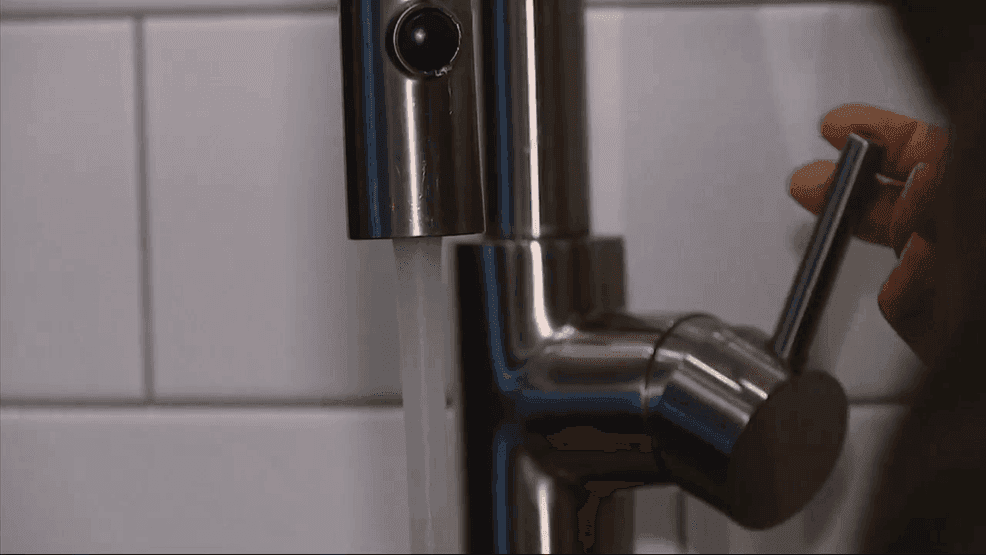
McDowell County’s water crisis is being carried on the backs of 17 workers trying to keep 16 systems running for about 3,500 customers. The result is visible in repeated boil-water advisories, long outages and a growing dependence on bottled water and spring water that many households cannot afford to keep buying.
The county’s system problems are rooted in the region’s coal era. These networks were built by coal companies to serve mining towns, then were abandoned, passed to local governments that lacked money and staff, or sold to private operators that did not reinvest. The McDowell County Public Service Department was formed in 1990 to start buying and updating failing systems, but the inherited infrastructure remains fragile. When the county took over the Highway 52 system from a private company in 2006, outages were frequent and could last for days. Flood damage later destroyed pipeline maps, making leaks harder to find and repair.
There have been successes when money has reached the ground. Phase two of the Elkhorn Water project was completed in December 2021 at a cost of $6.3 million. That work was financed by $50,000 from the McDowell County Commission, $50,000 from the McDowell County Economic Development Association, $1.2 million from USDA Rural Utilities Service, $1.8 million from the Appalachian Regional Commission, $1.5 million from HUD’s Small Cities Block Grant program and $1.75 million from the U.S. Economic Development Administration. Even so, the county’s public notices page has continued to show boil-water advisories and related notices across systems including Kimball, Tidewater, Crumpler, Maybeury, Coalwood, Anawalt, Bartley, Berwind, Ashland, Big Four, Greenbrier and Buchanan through 2024, 2025 and March 2026.

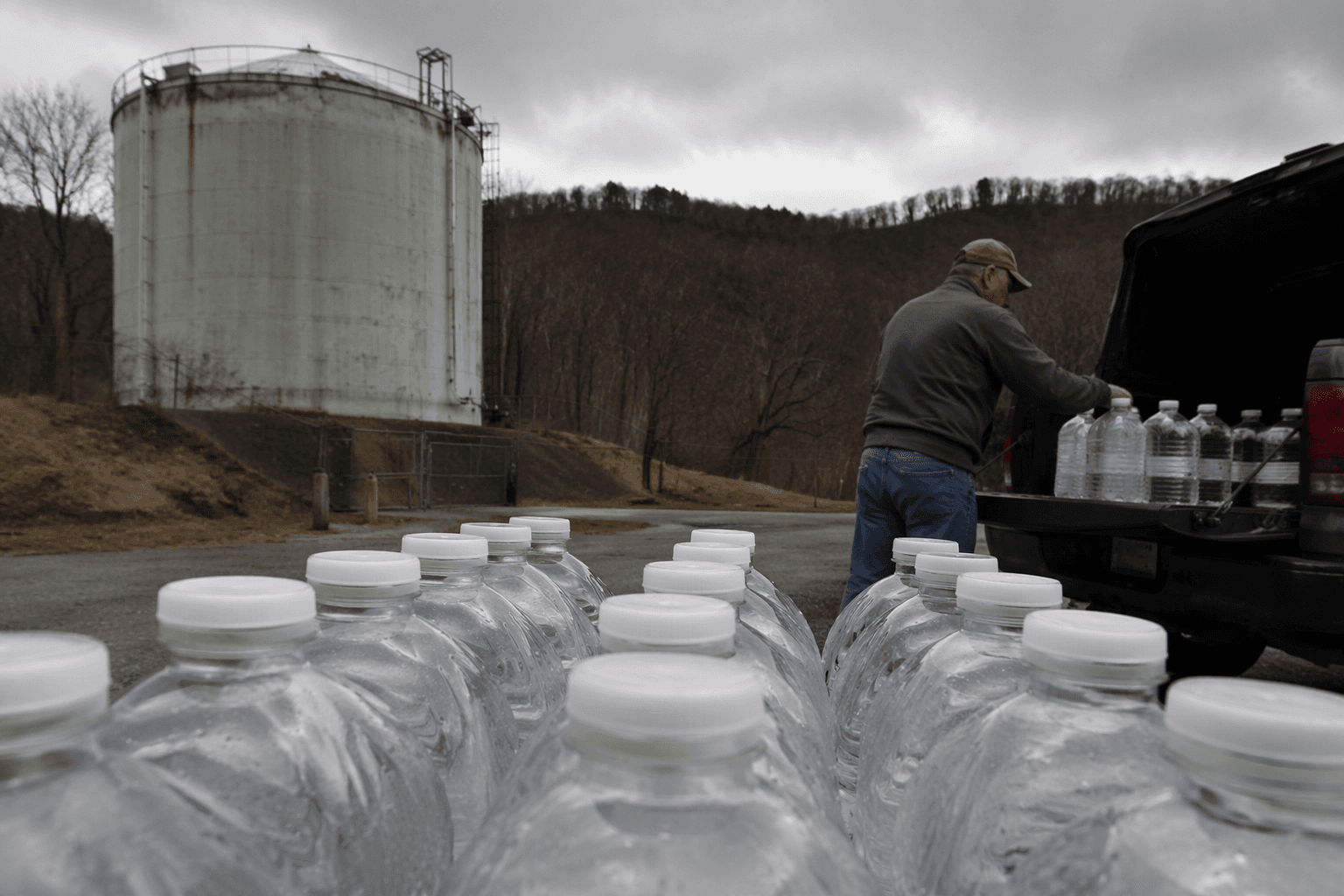
The cost to families is immediate. WV Rivers Coalition reported more than 2,060 cases of water distributed to more than 280 homes since May 2024. Some residents drive up to 20 minutes for spring water, and some households spend more than $100 a month on bottled water just to get through the month.
The problem is not confined to McDowell County. PSC consumer protection officials and independent water surveyors have said many southern West Virginia systems still struggle with iron, manganese and rust-colored water tied to the region’s mining history. In Gary, the West Virginia Public Service Commission finalized an operations-and-maintenance agreement in April 2026 for McDowell County PSD to take over the system, and officials said rebuilding could take as long as 10 years. For one of the poorest counties in America, reliable water remains a public health test, an affordability test and a basic measure of whether the county can keep its residents and businesses functioning.
This article was produced by Prism’s automated news system from verified source data, official records, and press releases, then run through automated quality and moderation checks before publishing. The system is built and supervised by the people who set the standards it runs under. Read our full AI policy.
Did this article answer your question?