PSC orders Gary and McDowell PSD into distressed utility agreement
PSC moved Gary’s sewer and water systems under McDowell PSD control after finding the town’s utility plans too weak to fix long-running infrastructure failures.
The Public Service Commission ordered Gary and McDowell County Public Service District into a distressed-utility agreement that handed the regional district control over the town’s sewer system and later its water system. The move put formal state oversight on a local utility fight that had already reached the point where regulators said the town’s own proposal would not fix the problems.
The commission’s order in Case No. 22-1083-S-DU, entered Jan. 24, 2025 in Charleston, directed McDowell PSD and the City of Gary to meet with a Commission Staff Advisory Assistance Team. By Feb. 10, 2026, the commission said Gary had been directed to enter into an operations and maintenance agreement for McDowell PSD to operate the town’s sewer system, and that an alternative proposal from Gary, submitted the previous July, was rejected because it was inadequate and did not give McDowell PSD enough operational and managerial control to correct the sewer system’s deficiencies.
That sewer agreement was signed March 5, 2026 and turned day-to-day management of Gary’s sewer system over to McDowell PSD. The commission later extended the same framework to water service, approving an agreement filed March 13, 2026 and holding public comment and evidentiary hearings on March 19 before issuing a final order May 13 for the PSD takeover of Gary’s water system.
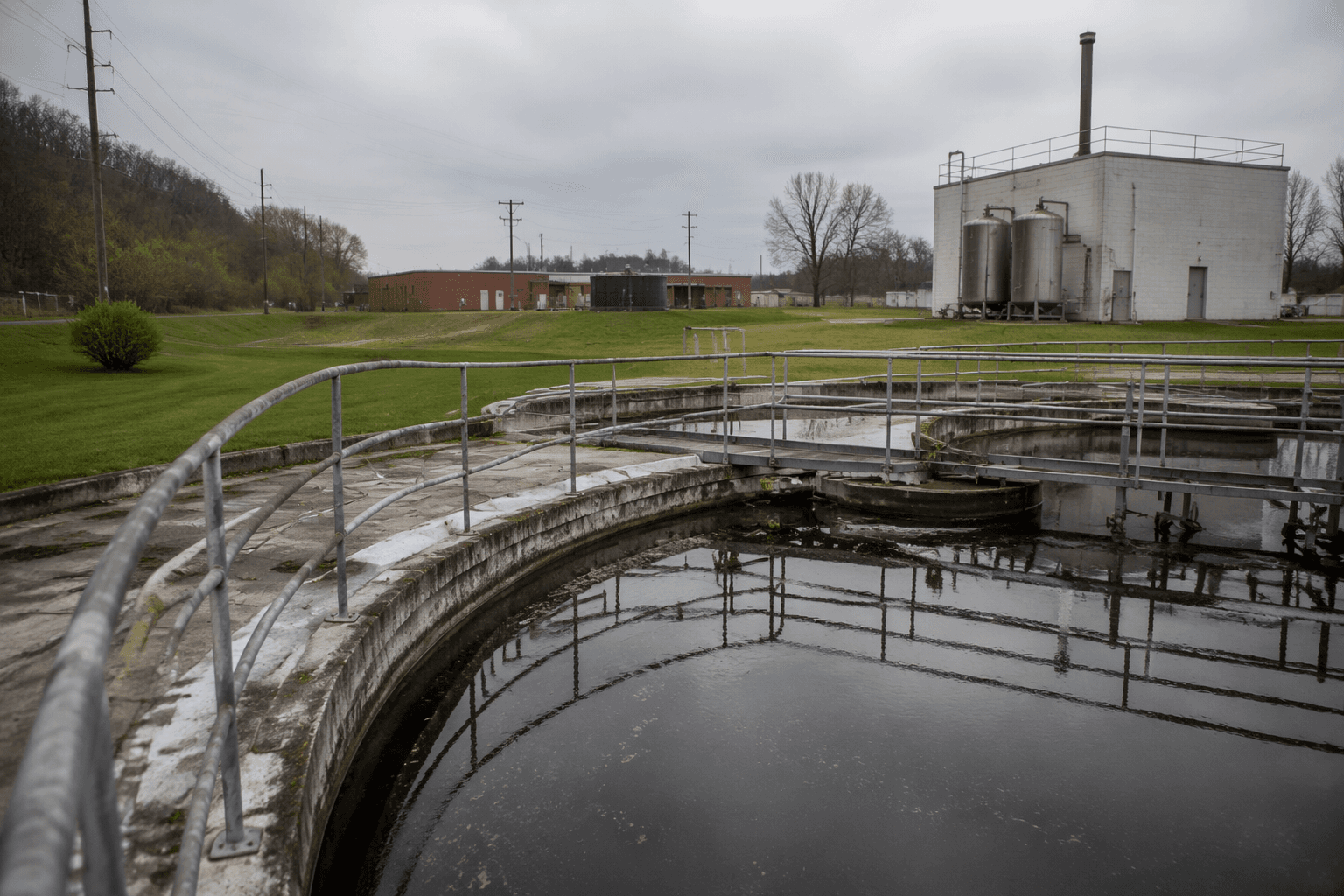
For residents, the practical changes start with maintenance, operations and oversight. McDowell PSD became the utility responsible for running the sewer system, and then the water system, under commission supervision. That means the people who answer to problems with pumps, lines, treatment, and repairs shifted away from the town’s own setup and toward the regional district that the commission found better positioned to act.
The stakes in Gary are basic household service. Concerns have centered on aging water infrastructure, including 60-year-old tanks that had never been washed, and one estimate said it could take as long as 10 years for residents to get clean, drinkable water. In a county where weak utility systems can quickly turn into daily problems at the tap and in the yard, the PSC’s orders gave residents a formal path to press their case through the commission’s comment and hearing process if service does not improve.
This article was produced by Prism’s automated news system from verified source data, official records, and press releases, then run through automated quality and moderation checks before publishing. The system is built and supervised by the people who set the standards it runs under. Read our full AI policy.
Did this article answer your question?