Rocket Boys honor student water project, spotlight Appalachia's clean water need
A Rocket Boys honor put Huff students' water-purification project in the spotlight, backed by $110,000 as coalfield families still face dirty water.
The Rocket Boys’ Hall of Fame honor at Pipestem Resort State Park carried a practical payoff: Huff Consolidated Elementary and Middle School’s water-filtration project won new backing, and the question now is whether that innovation can help coalfield communities get cleaner water.
At McKeever Lodge during National Kids to Parks Day, the Big Creek Missile Agency, better known as the Rocket Boys, became the first full group inducted into the West Virginia Hall of Fame. The ceremony also brought in students from Huff Consolidated Elementary and Middle School, whose project began with a simple Facebook post and has since moved to its next phase.

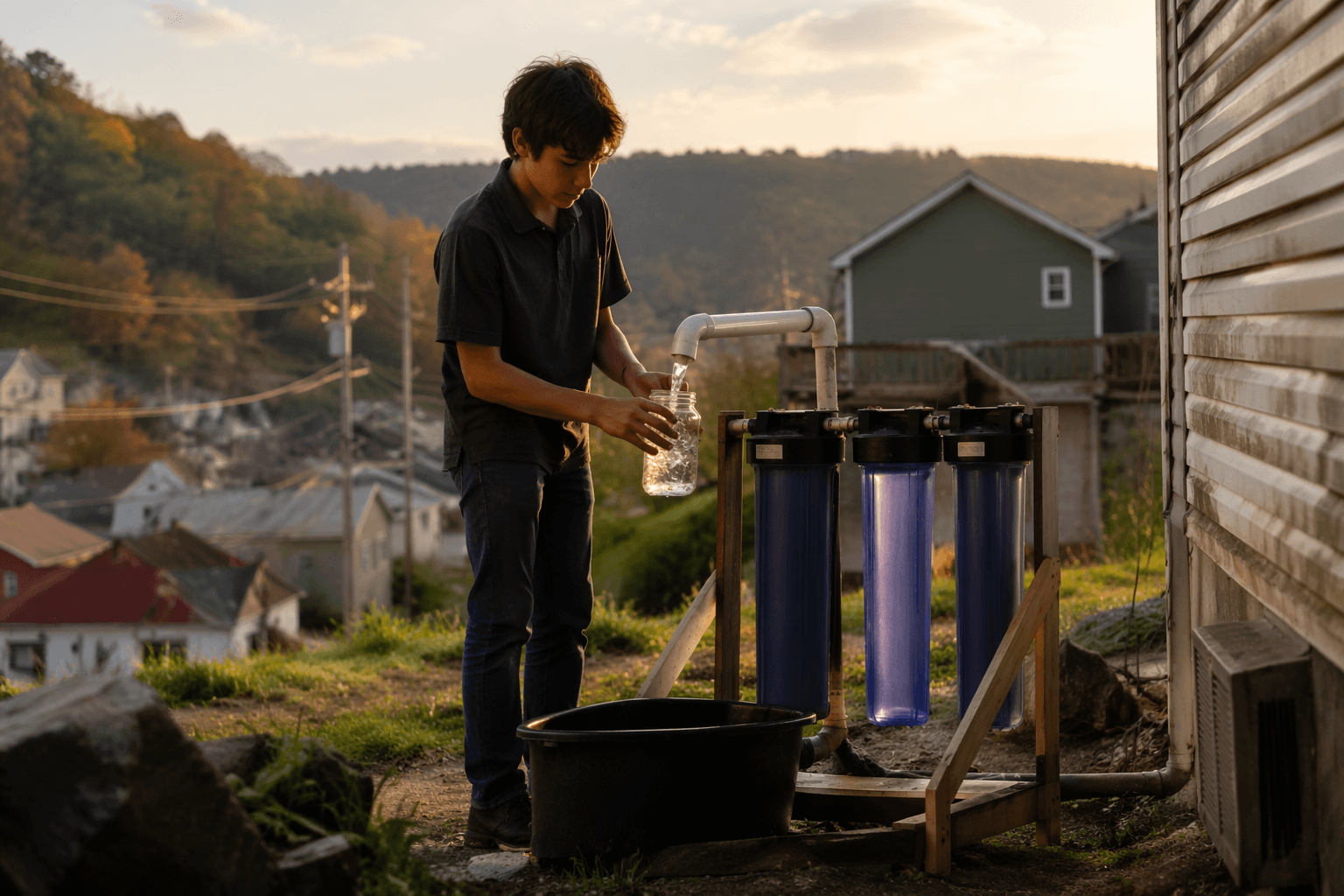
The school’s team built a low-cost, IoT-monitored water purification system that combines filtration and UV disinfection for coal-impacted communities. Samsung named Huff one of three national winners in its Solve for Tomorrow contest, and the company said each winning school received a $100,000 prize package. The West Virginia Department of Education said Huff’s achievement brought $110,000 in classroom technology and resources.
Brittany Miller-Baker, the science and social studies teacher who led the project, said, “These are students who grew up downstream from the very problem they were solving.” That line fit the wider story at Pipestem, where the Rocket Boys legacy met a current Appalachian problem that has pressed on families in Wyoming County and neighboring coalfield counties for years.
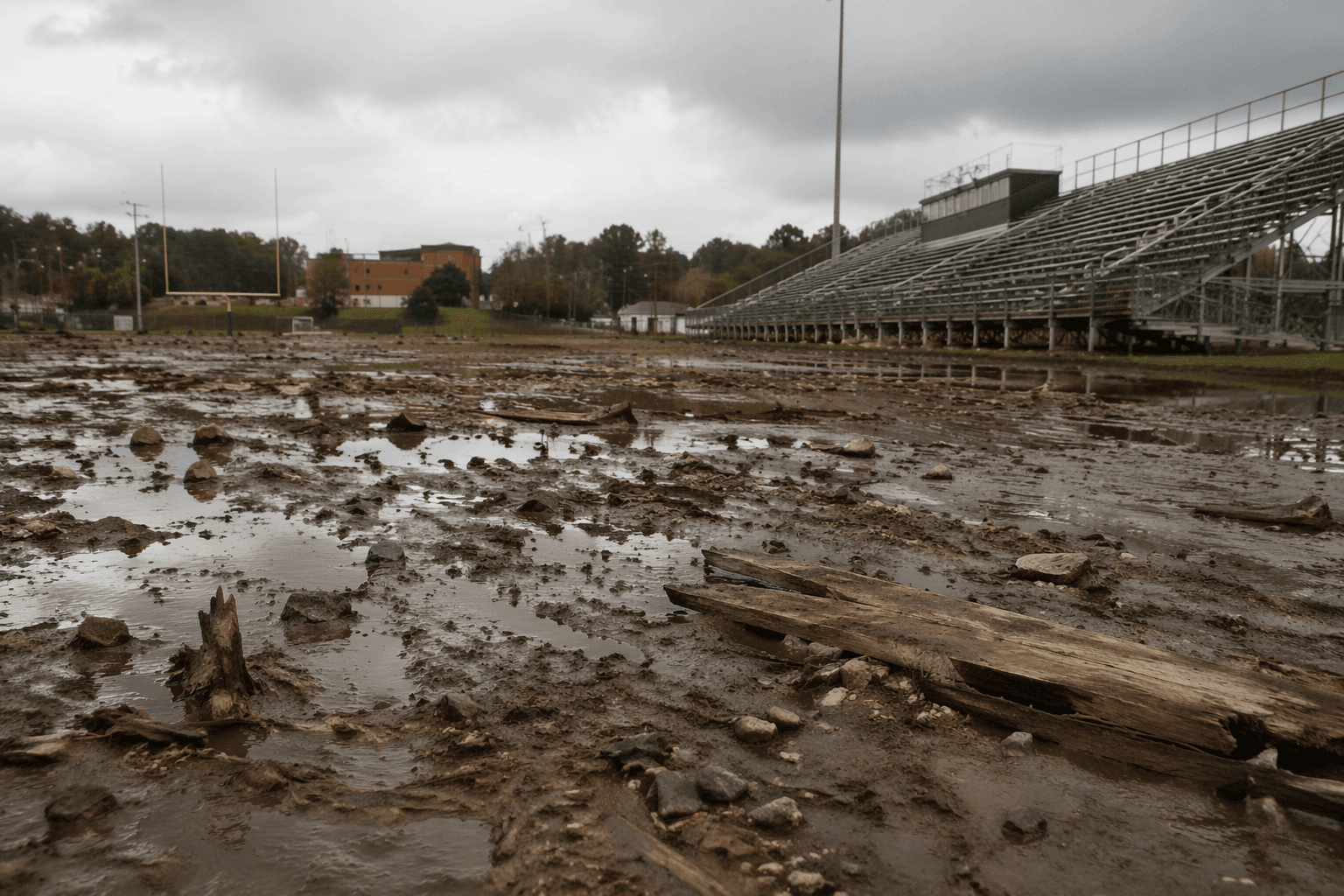
West Virginia education officials said abandoned coal mines in the community polluted creeks, aquifers and other water systems with acid mine drainage, a highly acidic mix rich in heavy metals and sulfates. That is the reality the Huff students set out to address, building a system meant to be affordable, measurable and useful in places where tap water cannot always be trusted.
Homer Hickam, who published Rocket Boys in 1998, drew a straight line from Coalwood’s coal camp history to the region’s water crisis. He said it was not right that people in the United States still could not drink water from their taps, and he praised the students for trying to solve the problem in a practical, affordable way. Roy Lee Cooke also praised the project, and Hickam compared Miller-Baker to his own Miss Riley, underscoring how mentorship still shapes southern West Virginia’s young problem-solvers.
The day also widened beyond one classroom. A robotics team from Woodrow Wilson High School met the Rocket Boys as well, linking the Hall of Fame celebration to another generation of student talent in the southern coalfields. For McDowell County, where Coalwood remains part of the county’s identity, the event was a reminder that the Rocket Boys are still more than a story about the past. They are a reminder that local ingenuity still has to answer local water problems.
This article was produced by Prism’s automated news system from verified source data, official records, and press releases, then run through automated quality and moderation checks before publishing. The system is built and supervised by the people who set the standards it runs under. Read our full AI policy.
Did this article answer your question?