SB615 noted Feb. 6 intersects with issues raised by McDowell officials
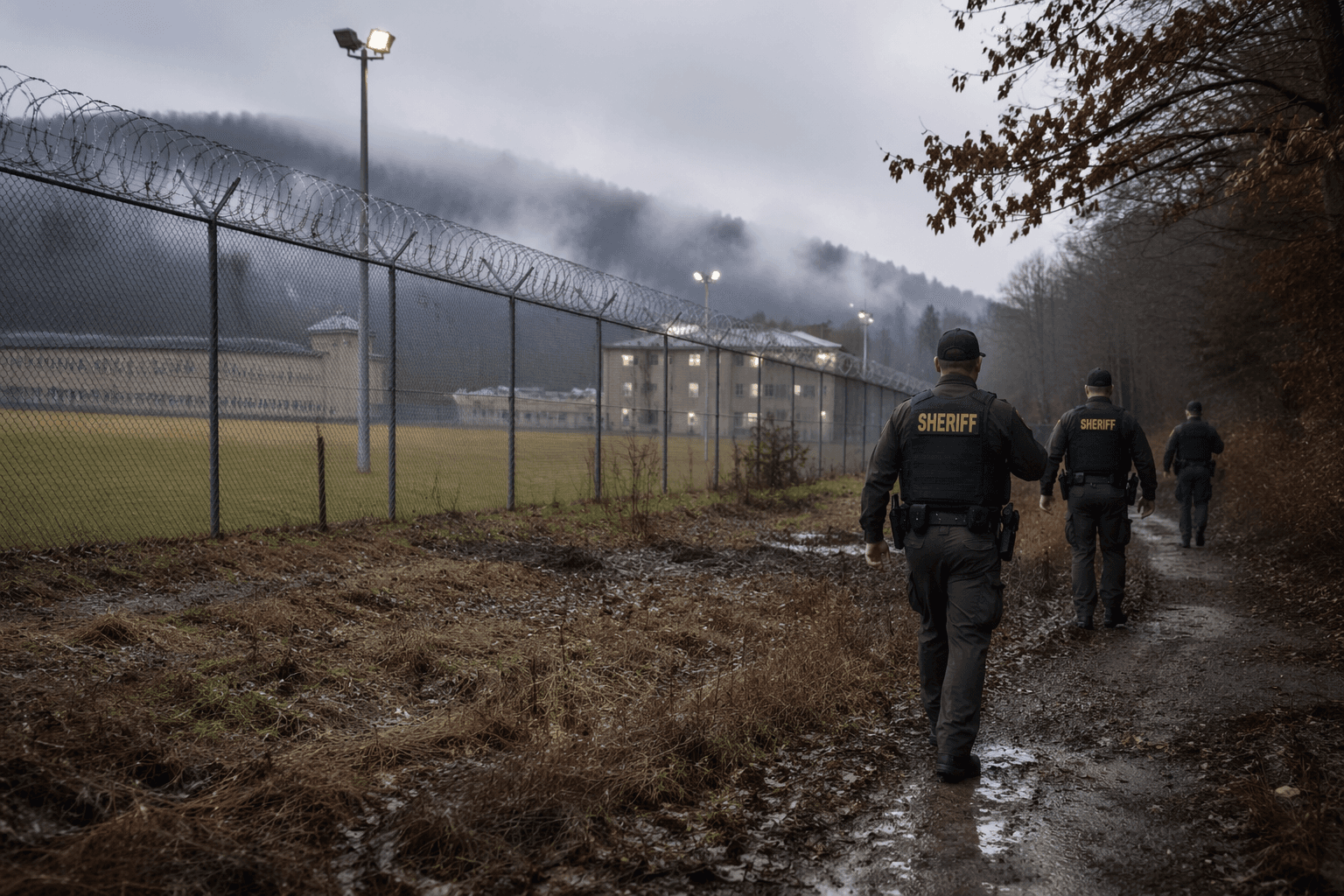
Legislators moved multiple Senate bills through committees; SB615 was noted Feb. 6 and is said to intersect with issues McDowell County officials raised.

West Virginia’s 2026 regular legislative session, active January–March 2026, produced a slate of Senate bills that were pending in committee as lawmakers prepared calendars and committee work in early February. An Original Report notes that multiple bills moving through committees in early February “intersect with issues raised by McDowell County officials,” and specifically records: “Notable items listed on Feb. 6, 2026 include SB615 (relating to the punishment and treatmen”
State legislative listings in the provided excerpt show a range of Senate proposals with committee assignments and January filing dates. Examples in the record include:
| SB 159 | Adding veteran status as protected class to Human Rights Act | Pending | Senate Military | Committee | 01/14/26 |
|---|---|---|---|---|---|
| SB 160 | Creating mental hygiene regions by Supreme Court of Appeals | Pending | Senate Judiciary | Committee | 01/14/26 |
| SB 161 | Uniform Mortgage Modification Act | Pending | Senate Judiciary | Committee | 01/14/26 |
| SB 162 | Requiring WV Board of Education to promulgate legislative rule relating to concussion protocol | Pending | Senate Education | Committee | 01/14/26 |
| SB 163 | Requiring economic impact statements for certain legislative rules | Pending | Senate Economic Development | Committee | 01/14/26 |
| SB 164 | Establishing Joint Commission on Government Efficiency | Pending | Senate Government Organization | Committee | 01/14/26 |
| SB 38 | Establishing revocation of authority for spending by agency in support of challenge to WV law | Pending | Senate Judiciary | Committee | 01/14/26 |
| SB 39 | Requiring heart health program in grades three through six | Pending | Senate Education | Committee | 01/14/26 |
| SB 40 | Providing veterinarian and veterinary technician reciprocity | Pending | Senate Government Organization | Committee | 01/14/26 |
| SB 41 | Creating Standardized Testing Choice Act | Pending | Senate Education | Committee | 01/14/26 |
| SB 42 | Authorizing over-the-counter sale of ivermectin | Pending | Senate Judiciary | Committee | 01/16/26 |
| SB 43 | Removing rape and incest exception to obtain abortion in WV | Pending | Senate Health and Human Resources | Committee | 01/14/26 |
| SB 115 | Repealing Workplace Freedom Act | Pending | Senate Workforce | Committee | 01/14/26 |
| SB 116 | Establishing Raylee's Law | Pending | Senate Education | Committee | 01/14/26 |
| SB 117 | Creating program to reward citizens for information on drug trafficking | Pending | Senate Health and Human Resources | Committee | 01/14/26 |
| SB 118 | Establishing Forest Carbon Registry | Pending | Senate Finance | Committee | 01/20/26 |
| SB 119 | Eliminating appointment process for PSC members | Pending | Senate Government Organization | Committee | 01/14/26 |
| SB 120 | Eliminating income tax on qualified tipped wages | Pending | Senate Finance | Committee | 01/14/26 |
Procedural context explains how items like SB615 reach committee lists. West Virginia University’s overview notes that “Bills may go through the Office of Legislative Services or legislative staff counsel to ensure that they are in proper bill form. To draft a bill on a particular subject, the appropriate portion(s) of West Virginia law are combined with the proposed changes. After the draft legislation is prepared, the legislator reviews it and submits it for introduction to the clerk of the chamber of which he or she is a member.” The university material also states, “Anyone can propose an idea for a bill to a legislator: a private citizen, corporation, professional association, special interest group or even a governmental unit. But all bills must be sponsored by one or more legislators to be considered by the Legislature. In the House, the number of sponsors of a bill or a constitutional amendment is limited to seven, while the Senate has no limit on sponsorship.” On floor procedure, the guidance records that once a committee acts the Rules Committee places bills on the daily calendar and that “Under the State Constitution, a bill is to be read three times. The first reading of the bill is the information stage and alerts membership that the bill will be considered. On second reading, members vote on the committee’s amendment(s) and the amendment(s) individual legislators have proposed to the bill. The vote on passage of the bill” (text truncated in the excerpt).
What is missing from the available material is as important as what is present. The full title and text of SB615 are not in the excerpts; the report linking the session bills to McDowell County officials does not name those officials or detail which bills they referenced or how the proposals would affect law enforcement or immigration enforcement at the local level. For McDowell County residents, that gap matters: without the complete bill language and first-hand statements from county officials, there is no definitive way to assess legal or fiscal impacts on county services, enforcement duties, or budgets.
Next steps for local readers and officials include obtaining the full text and sponsors of SB615, reviewing committee calendars and minutes for early February action, and asking McDowell County leaders to specify which measures they flagged. Reporters will pursue those records and statements; residents should expect follow-up coverage as the session progresses toward its March adjournment.
This article was produced by Prism’s automated news system from verified source data, official records, and press releases, then run through automated quality and moderation checks before publishing. The system is built and supervised by the people who set the standards it runs under. Read our full AI policy.
Did this article answer your question?