USDA Cuts $300M Farm Program, Halting Three McDowell County Startups
USDA's termination of a $300M farm program stripped Jason Tartt Sr.'s EDGE Demonstration Farm of $1.1M and halted three McDowell County business launches set for this summer.
Jason Tartt Sr. had three businesses ready to open in McDowell County this summer. The U.S. Department of Agriculture ended those plans when it terminated a $300 million farm program, stripping Tartt's EDGE Demonstration Farm of roughly $1.1 million in funding tied to Nourish West Virginia and halting startups that were weeks from launch.
"We were scheduled to launch three new businesses this summer—three new business owners from McDowell County—stopped in their tracks," Tartt said.
The USDA termination also hit West Virginia University's Working Lands of Central Appalachia, one of the identified grantees cut from the program. That project had been supporting Nourish WV's staff and a coalition of 11 organizations working to expand land, market, and capital access across West Virginia.
Nourish West Virginia had announced an $8.5 million initiative in 2024 to support agricultural workforce training, expand farm-to-institution markets, and develop food-as-medicine programming. The initiative specifically targeted underserved veterans, people with limited resources, and beginning and socially disadvantaged farmers. That work was in its early stages when the funding was cut.
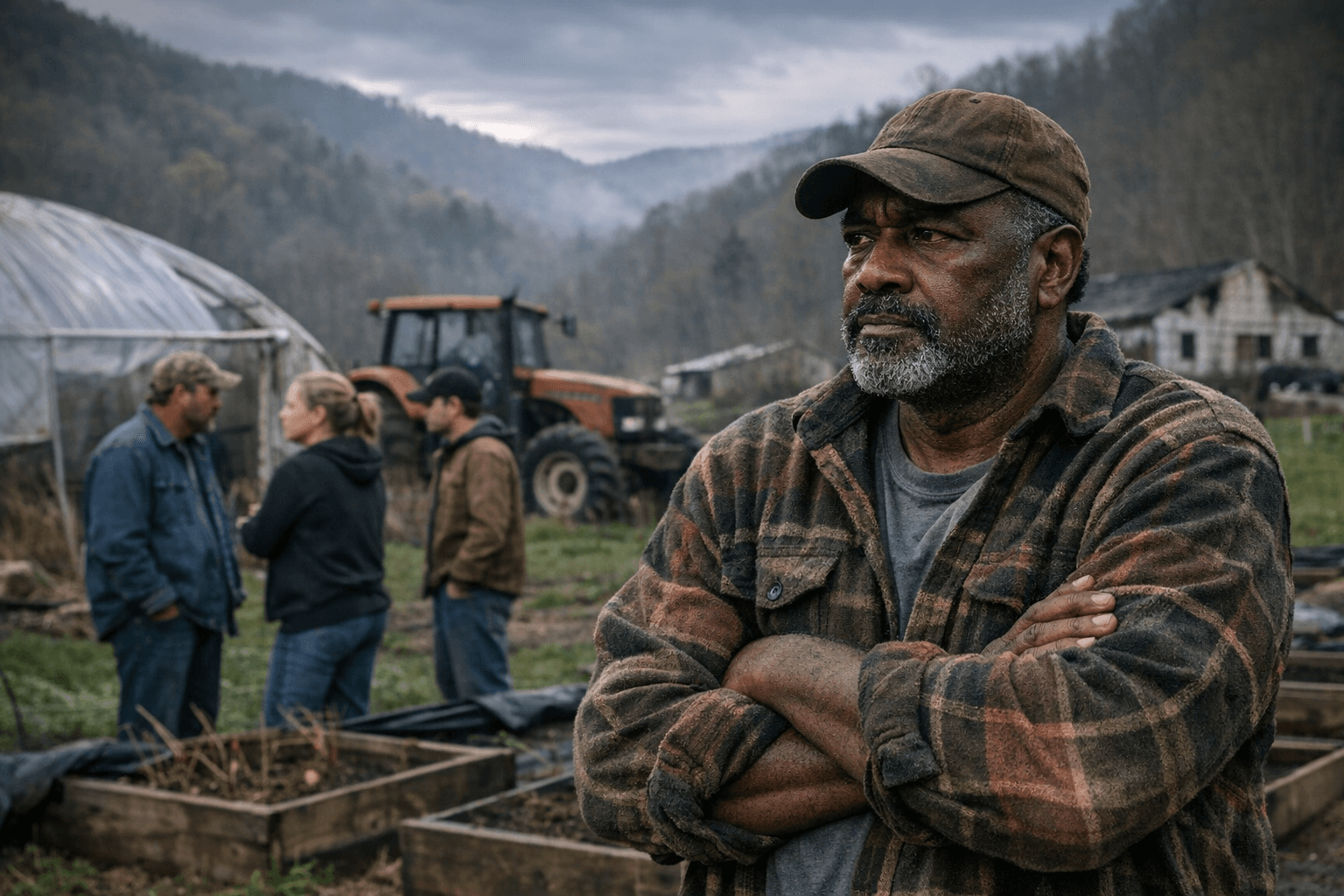
Tartt's EDGE Demonstration Farm had been building new pathways into agriculture for McDowell County, training new farmers, expanding local food production, and creating jobs where stable employment is scarce. Jessica Caskey, an EDGE producer who had begun building her own farm business through the program, now has that effort on hold. No alternative funding pathway for the halted businesses has been publicly identified.
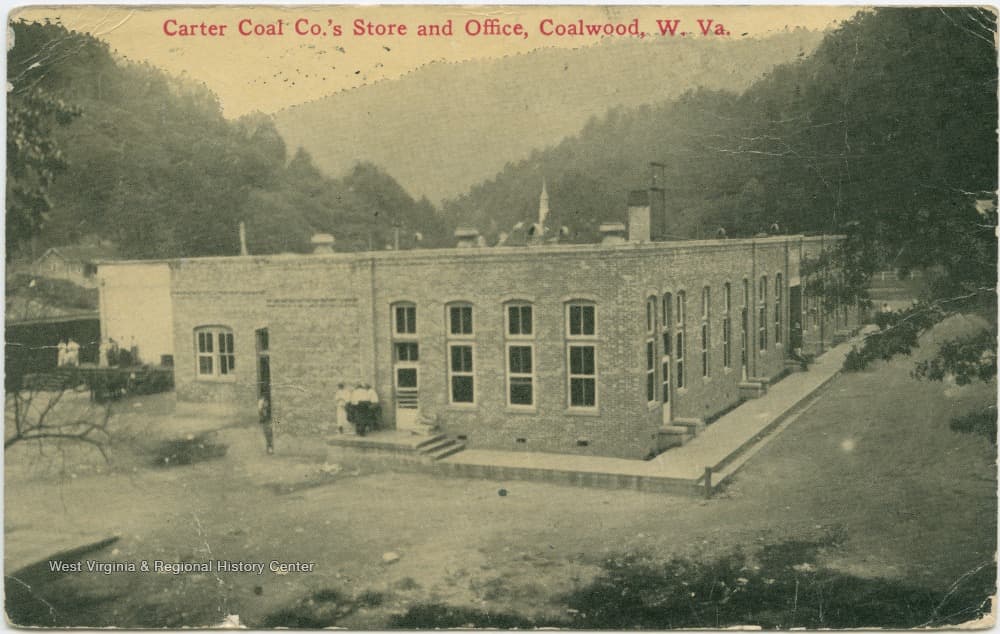
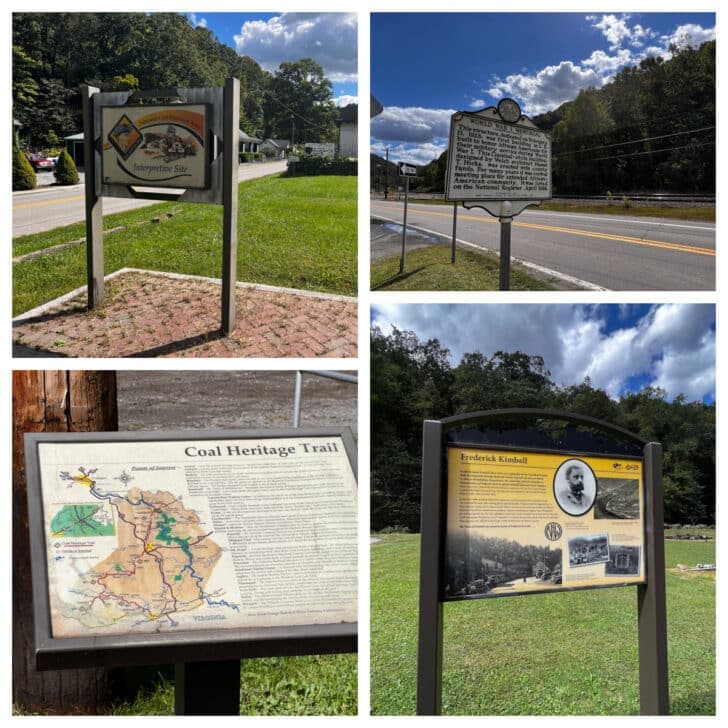
McDowell County ranks as one of West Virginia's most economically distressed regions and among the most persistently distressed in the nation. In McDowell, land has long defined both survival and opportunity. What Tartt's project was building was not simply an agricultural enterprise: it was one of the few concrete pathways connecting residents to land, to the food economy, and to steady income in a county where those options have grown increasingly limited.
The reach of the cuts extends across the state. Eleven organizations across West Virginia had been working within the coalition that WVU's Working Lands project supported, and the termination left all of them without the federal backing that had been underwriting their efforts. Whether any portion of the $8.5 million Nourish WV announced in 2024 can be recovered or replaced through other funding sources remains unclear. The USDA has issued no public statement identifying the program by name or explaining the rationale for its termination.
This article was produced by Prism’s automated news system from verified source data, official records, and press releases, then run through automated quality and moderation checks before publishing. The system is built and supervised by the people who set the standards it runs under. Read our full AI policy.
Did this article answer your question?