39 students earn Navajo Nation bilingual seal in Gallup ceremony
Thirty-nine students from 16 high schools earned the Navajo bilingual seal in Gallup, with Miyamura’s Jaysiah Arviso among those honored.

Thirty-nine students from 16 high schools earned the 2026 Navajo Nation Seal of Bilingual Proficiency at a ceremony April 17 at Fire Rock Navajo Casino in Gallup, putting Diné language achievement front and center in McKinley County. Jaysiah Arviso of Miyamura High School gave the Gallup area a hometown name in a class that stretched across the Navajo Nation.
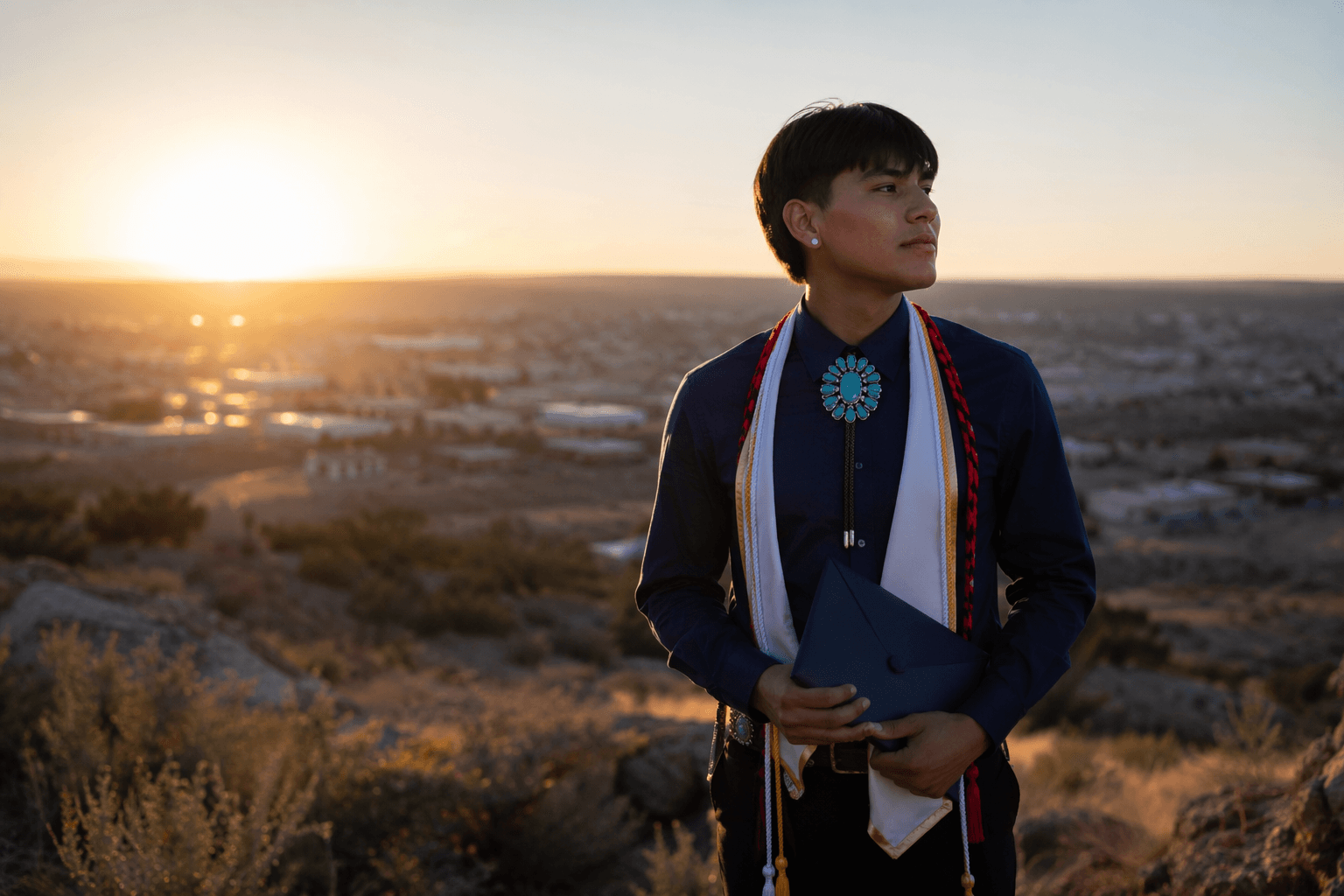
The Navajo Nation Department of Diné Education says the seal is designed for graduating high school seniors who can fluently read, write and speak Diné. The assessment is offered each spring through DODE’s Office of Standards, Curriculum, and Assessment Development, and successful students are recognized near the end of the school year. Recipients at the Gallup ceremony received a plaque, a shawl or robe and a tablet, pairing ceremony with support for what comes next in school.
That combination matters in a county where language is never just symbolic. In homes, classrooms and workplaces across McKinley County, the ability to move between Navajo and English remains part of daily life. The seal tells students that bilingual skill is not a side note to academic success, but a form of achievement tied to identity, family continuity and future opportunity. Gallup has long served as a gathering place for Navajo milestones, and Fire Rock again became the stage for a public acknowledgment that language still carries value.
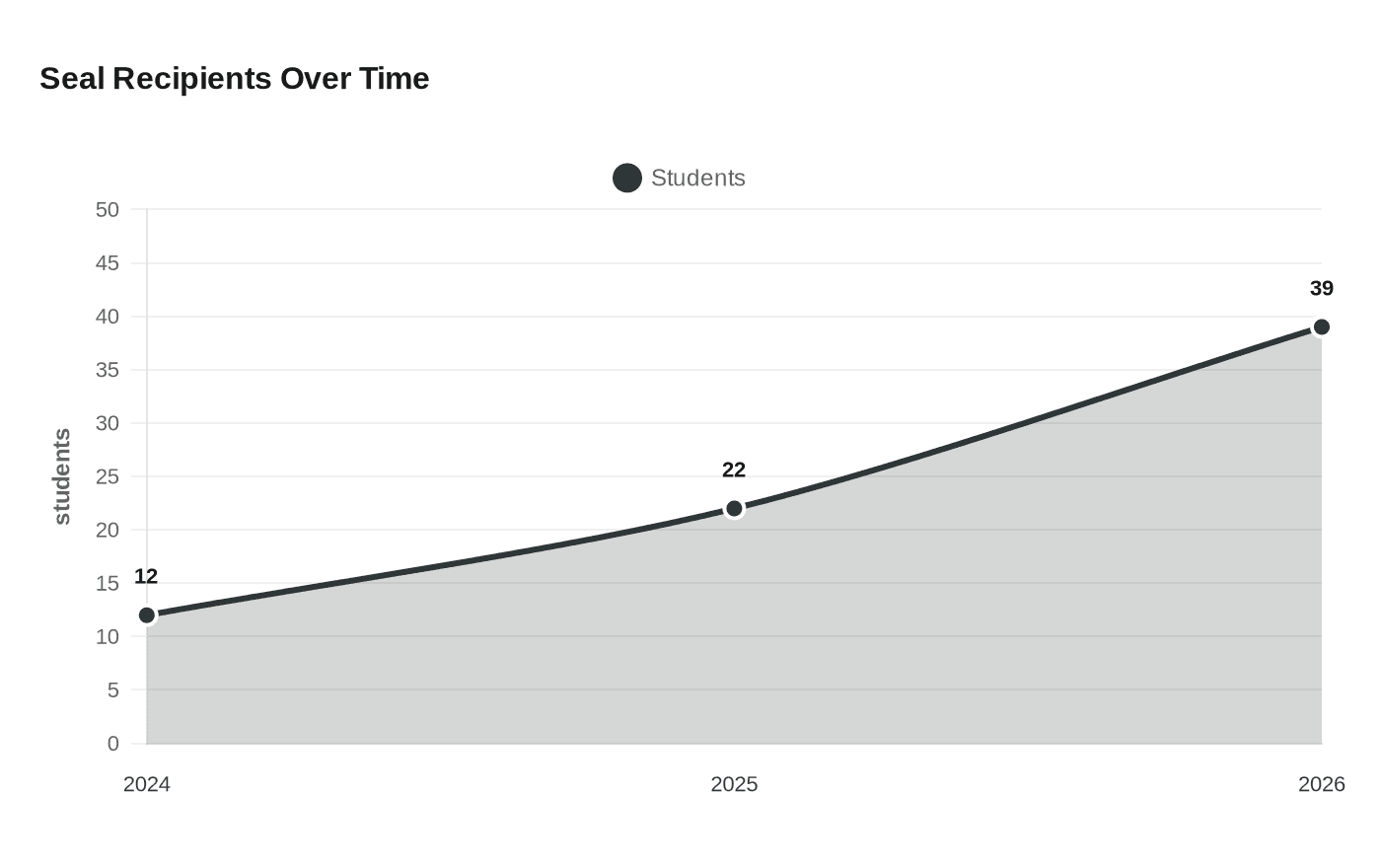
The 2026 class also shows how the program has grown. In 2024, 12 students were honored. In 2025, the number rose to 22 at Twin Arrows Navajo Casino Resort in Twin Arrows, Arizona. This year’s 39 recipients marked a sharp increase, underscoring wider participation as more students complete the seal assessment. Navajo leaders have framed that growth as part of a larger language-revitalization effort, one aimed at keeping Diné Bizaad active in homes, schools and the workforce.
That urgency has been part of the conversation for years. In 2024, Acting Superintendent Roy Tracy warned that Navajo language use needs active perpetuation and tied the effort to the educational foundations that followed the Treaty of 1868. Against that backdrop, this year’s ceremony carried more than the weight of an honor roll. It marked students who met a high standard in both language and academics, and it pointed to a future in which bilingual Navajo graduates are recognized not only for what they preserve, but for what they can do next.
This article was produced by Prism’s automated news system from verified source data, official records, and press releases, then run through automated quality and moderation checks before publishing. The system is built and supervised by the people who set the standards it runs under. Read our full AI policy.
Know something we missed? Have a correction or additional information?
Submit a Tip