Counterfeit Native jewelry plea reverberates through Gallup arts economy
A New Mexico couple’s guilty plea put Gallup’s Native arts economy back in focus, where trust and authenticity drive sales for more than 1,000 artisans.

A New Mexico couple’s guilty plea to selling counterfeit Native American jewelry made in Vietnam lands hard in Gallup, where authentic silverwork, concha belts and other Native-made goods help power a regional tourism economy built on trust.
Kiem Thanh Huynh, 60, and My Ngoc Truong, 61, appeared in federal court in Asheville, North Carolina, on April 20 and admitted they smuggled jewelry made in Vietnam into the United States and sold it as authentic Native American work. Federal prosecutors said the pair misrepresented the pieces to customers, using the cachet of Native identity and craftsmanship to move products buyers believed were genuine.
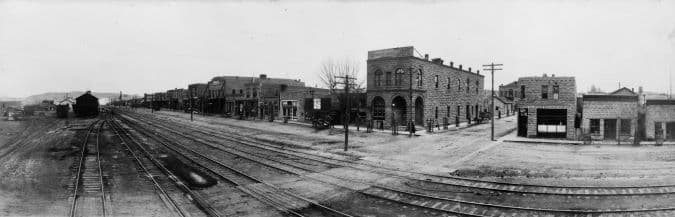
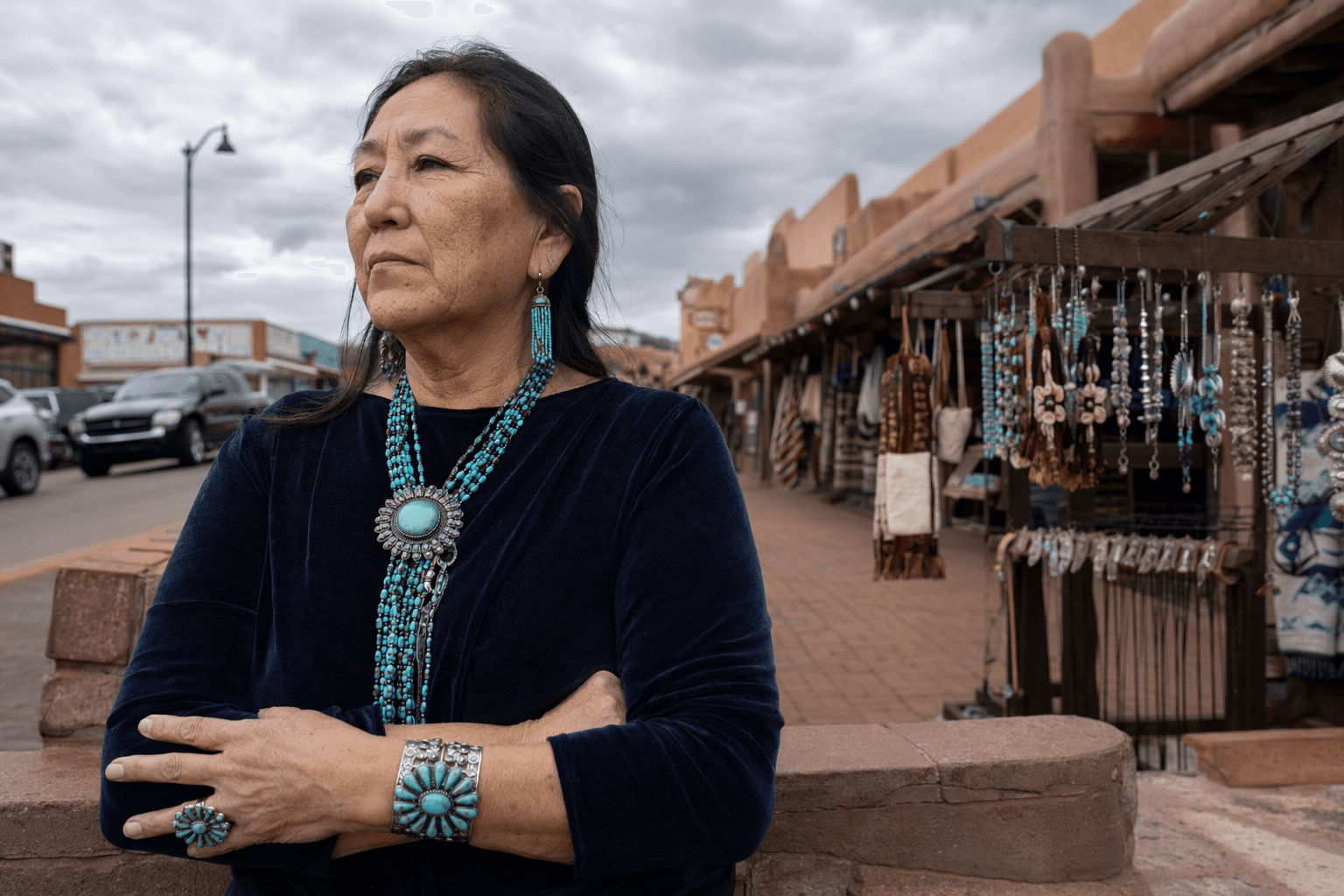
For Gallup and McKinley County, the case is more than a courtroom matter. Visit Gallup says there are more than 1,000 Native American artisans in Gallup and the surrounding region, and local trading posts and shops market themselves as places to buy authentic jewelry, pottery, clothing, rugs, baskets and kachina dolls. When counterfeit goods enter that market, they can pull money away from legitimate artists and traders while eroding buyer confidence in a trade that depends on credibility as much as design.
The case also underscores the role of the Indian Arts and Crafts Act of 1990, a federal truth-in-advertising law that bars misrepresentation in the marketing of Indian art and craft products in the United States. The Indian Arts and Crafts Board, which oversees enforcement, says the law is meant to protect the economic livelihoods and cultural heritage of Native artists and consumers. In a place like Gallup, where Native arts are both cultural expression and commerce, that protection carries direct economic weight.
Federal enforcement has widened well beyond one pair of defendants. The U.S. Fish and Wildlife Service said it began conducting criminal investigations under the law with the Indian Arts and Crafts Board after a 2012 memorandum of agreement. Earlier in the Operation Al-Zuni investigation, federal agents seized 350,000 counterfeit Native American jewelry pieces valued at more than $35 million, and prior defendants pleaded guilty to importing Native American-style goods from the Philippines and selling them as authentic.
For buyers in western New Mexico, the practical test is simple but important: ask where a piece was made and who made it. The Federal Trade Commission advises shoppers to look for origin and artist information when buying American Indian arts and crafts, a reminder that in Gallup, authenticity is not a slogan. It is the foundation that keeps Native artisans, trading posts and the broader arts economy alive.
This article was produced by Prism’s automated news system from verified source data, official records, and press releases, then run through automated quality and moderation checks before publishing. The system is built and supervised by the people who set the standards it runs under. Read our full AI policy.
Did this article answer your question?