Crowded House District 6 primary shapes McKinley County's future policies
McKinley County's House District 6 primary will shape school funding, uranium policy and ICE detention rules. Four Democrats are competing in the state's most crowded legislative race.
A district where state policy lands at the kitchen table
House District 6 is not a distant Santa Fe abstraction. It stretches across parts of Cibola and McKinley counties, including Zuni Pueblo, Milan, Bluewater Village, Bluewater Lake, Pinehill, Crownpoint and portions of the Navajo Nation, which means the next state representative will be dealing with school buses, clinic access, road maintenance and tribal-state politics in the same breath. That is why the June 2 Democratic primary matters so much in McKinley County: the seat sits where education funding, health care access, land use and transportation meet daily life.
The crowded field and the race for the seat
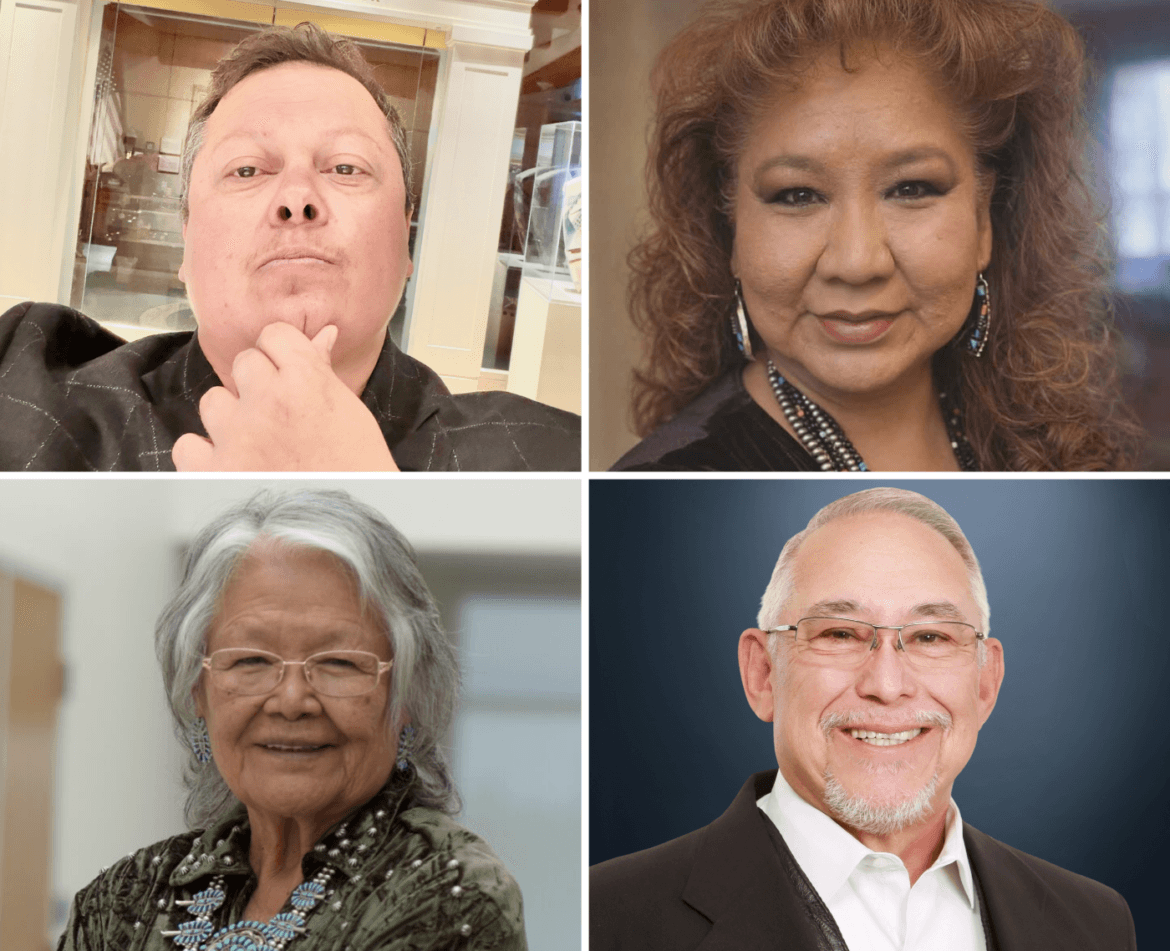
Four Democrats are competing for the nomination, Martha Garcia, David Alcon, Priscilla Benally and Johnny Valdez, while Paul Spencer is the lone Republican. That makes the Democratic winner the clear favorite heading into the Nov. 3 general election, and it also explains why the contest has become the state’s most crowded legislative primary. The opening came after Rep. Eliseo Alcon stepped down for health reasons in November 2024 and died in January 2025; Gov. Michelle Lujan Grisham then appointed Martha Garcia to fill the seat. Garcia also brings local experience as a former Cibola County commissioner and president at the Ramah Navajo Chapter House, while the other Democrats come from different corners of public life: Alcon as a political consultant, Benally as a community-center director and school-board vice president, and Valdez as a retired magistrate judge and former sheriff.
Health care is another baseline issue in the race, and in a district that stretches from rural villages to tribal communities, distance matters as much as policy. A clinic visit can mean a long drive, missed work and more time on the road than in the exam room, which is why the next representative’s approach to public services will shape daily life long after the campaign signs come down.
Schools are the clearest test of who can deliver
The Yazzie/Martinez education equity case sits at the center of the campaign because it is not symbolic for rural northwest New Mexico, it is about whether students get the basic support they are owed. The state court ruling issued on July 20, 2018 found New Mexico’s public education system failed at-risk, English learner, Native American and special education students, and a 2026 filing said the Public Education Department’s final remedial plan still fell short of court-ordered requirements. In communities like Zuni, Pinehill and Crownpoint, that translates into real questions about staffing, special education services, transportation, language access and whether schools have the resources to keep students from falling behind before they ever reach graduation. Priscilla Benally has pressed for a revived state Board of Education and stronger infrastructure funding, a signal that she sees schools as part of a broader system of roads, buildings and local capacity rather than a narrow classroom issue.
What the education fight means for families
A stronger remedy in the Yazzie/Martinez case would not just be a legal win on paper. It could mean more support for students who need bilingual services, more reliable special education staffing, and more stability for districts that stretch across long distances where families depend on buses, not short walks, to reach class. For McKinley County, the real question is whether Santa Fe will finally match court findings with money and follow-through, or continue leaving rural districts to absorb the gap.
Uranium mining remains a public health and jobs debate
Few campaign issues carry as much history in McKinley County as uranium. The Grants Mining District was the primary focus of uranium extraction and production in New Mexico from the 1950s until the late 1990s, and it stretches across Cibola, McKinley, Sandoval and Bernalillo counties and tribal lands. Church Rock, near the Navajo Nation, is still a painful reference point: the July 16, 1979 mill tailings spill remains the largest release of radioactive material in U.S. history, and the United Nuclear Corporation mill site sits about 17 miles northeast of Gallup. Any discussion of renewed mining in the Grants mineral belt has to weigh jobs against contamination, water risk and the long afterlife of a boom that left public health scars across the region.
Why the uranium question is so local
In McKinley County, uranium is not just an economic argument. It is a question of who bears the risk, who gets the cleanup money, and whether tribal communities have a real say over what happens on or near their lands. The campaign has forced candidates to confront that history directly, because voters remember that extraction can bring paychecks in the short term while leaving generations with unresolved environmental and health burdens.
Immigrant policy reaches into county politics too
The Immigrant Safety Act adds another layer to the race because it is already moving from policy debate to legal reality. Signed in 2026 and set to take effect on May 20, it bars state and local governments from contracting with Immigration and Customs Enforcement to detain people for civil immigration violations. That matters in a county where public institutions, tribal governments and state agencies often overlap, and where families are likely to feel the effects of any detention contract through school attendance, workplace stability and trust in local government. Federal litigation has already been filed against New Mexico over its pro-immigrant policies, which shows this fight is not hypothetical and is not likely to fade after Election Day.
The stakes for McKinley County
The candidates have been asked about health care, schools, uranium and immigration, but the thread connecting all of those issues is whether rural communities get treated as an afterthought or as a priority. David Alcon has emphasized stronger coordination on missing Indigenous women, a reminder that public safety in the region is inseparable from the crisis affecting Native families across the Southwest. Benally has centered Native-land protections and infrastructure, while Garcia’s appointment by the governor and her local government background give her a record tied to the seat itself. With early voting already under way and June 2 approaching, House District 6 is about more than one seat in the New Mexico House of Representatives. It is about whether McKinley County’s schools, waterways, roads and tribal communities will see a representative willing to turn court orders, health warnings and economic promises into actual daily relief.
Know something we missed? Have a correction or additional information?
Submit a Tip