Curley Reflects on Unfinished Navajo Nation Projects, Funding Future
Curley’s term ends with roads, recovery dollars and governance fixes still unfinished, and McKinley County families will feel the pace of change in Window Rock.
The backlog is the real measure of this term
Thousands of projects are still in motion, and that unfinished work has become the clearest measure of Speaker Crystalyne Curley’s time in office. For families in McKinley County, the stakes are not abstract: decisions made in Window Rock shape whether roads get repaired, services move faster, and public facilities finally open after years on the books.

That is why Curley’s reflection lands less like a farewell and more like a scorecard. The Navajo Nation is still trying to convert federal pandemic-era money, council decisions, and stalled plans into results that can outlast her term and the current political cycle. In western Navajo communities, including Gallup and Zuni Pueblo, that unfinished work still touches daily life.
Recovery funds are still being fought over
The biggest symbol of that unfinished agenda is the Navajo Nation Fiscal Recovery Fund program. On December 30, 2024, Curley joined President Buu Nygren to sign an interagency agreement intended to fully obligate more than $2 billion in Navajo Nation Fiscal Recovery Funds before the U.S. Treasury deadline of December 31, 2024.
Curley said then that chapters and Diné people had raised concerns about delays tied to red tape and bureaucracy. The agreement was meant to help move projects faster and allow any cost savings or unspent money to be redirected to other eligible projects. Even now, that same funding stream remains under pressure as the Nation approaches the December 31, 2026 expenditure deadline.
On April 16, 2026, the Naabik’íyáti’ Committee unanimously advanced Legislation 0069-26 to override Nygren’s March 22 veto and clarify who oversees those projects. The change would shift administrative oversight away from the Division of Community Development and place it with the Office of the Controller and the Navajo Nation Fiscal Recovery Fund Office, a move the Council says is meant to improve accountability, consistency, and efficiency before the money window closes.
Aged plans, delayed projects, and a growing infrastructure gap
The funding fight is only one layer of the problem. On April 15, the Budget and Finance Committee reviewed a report saying the Navajo Nation’s Capital Improvement Plan is outdated and that many projects have remained unfinished for years. That plan is supposed to guide roads, utilities, and public facilities, yet the report pointed to limited staffing, outdated policies, and complex administrative processes as reasons the backlog keeps growing.
That matters in practical terms across McKinley County. When a capital plan sits stale, it can slow the projects that decide whether a chapter gets a usable building, whether a road improves access to services, or whether utility work moves from paperwork to ground-breaking. The backlog also explains why the Council has been pushing related policy fixes at the same time, including a new Procurement Act on April 17 and, on April 22, approval of $120 million for transportation infrastructure improvements.
Those decisions are linked. Procurement rules determine how quickly projects move. Capital planning determines which projects rise to the top. Transportation dollars determine whether roads and access routes finally get built. In a county where distance and weather can make every delay more expensive, that chain matters.
Curley’s closing agenda reaches beyond one funding cycle
Curley’s Spring Session report on April 20 showed that the Council’s unfinished business goes far beyond infrastructure. She said lawmakers were preparing major summer-session legislation on Title 26, the Personnel Manual, and Title 12, while also working under budget limitations. She cited FY2027 revenue projections of about $301 million in total revenues, with roughly $218 million available for the general fund after mandatory set-asides.
That budget picture helps explain the tone of the session. The Council is trying to make long-term policy decisions with limited room to maneuver, and the agenda is crowded with issues that shape sovereignty as much as spending. Curley also pointed to continuing work on Navajo water rights, the Northern Arizona Indian Water Rights Settlement, the 2025 Reapportionment Plan, and formal opposition to the federal SAVE Act because of concerns it could create barriers for Navajo voters.
Those are not side issues. Water rights influence whether communities can plan for growth with confidence. Reapportionment affects how representation is drawn. Voting rights protections shape who can participate without added obstacles. Together, they show a leadership team still trying to secure the rules of the road while the road itself remains under repair.
What happens after Curley’s term will be tested in McKinley County
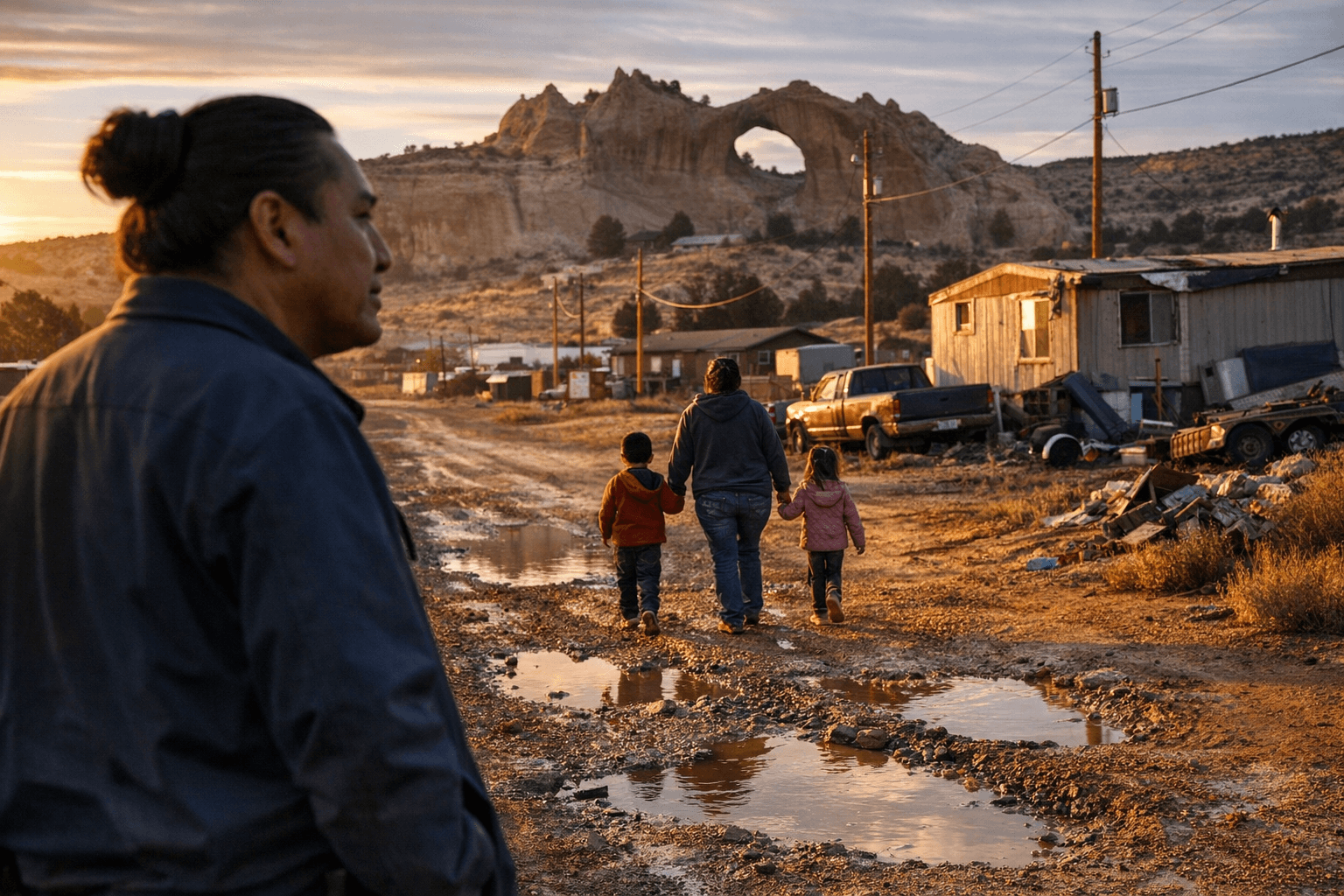
For McKinley County, the next phase will be judged by whether these decisions finally reach homes, chapters, and service corridors in the west. Gallup, Zuni Pueblo, and nearby Navajo communities have seen how often funding announcements do not immediately turn into usable infrastructure or smoother services.
Curley’s term is ending with a blunt reality: the 25th Navajo Nation Council is not simply wrapping up routine business, it is trying to finish pandemic-era funding work, overhaul outdated administrative systems, and push forward a long list of governance priorities before political turnover slows the pace. The lasting test will be whether those unfinished projects become completed ones, or whether they roll into the next chapter still waiting for their turn.
This article was produced by Prism’s automated news system from verified source data, official records, and press releases, then run through automated quality and moderation checks before publishing. The system is built and supervised by the people who set the standards it runs under. Read our full AI policy.
Did this article answer your question?