Gallup adopts safety plan to seek federal road funding
Gallup's new safety plan ties deadly crash data to a federal funding bid, but the city must still cover 20% of the cost.

Gallup’s busiest roads now carry a hard number behind the daily fear: from 2019 through 2023, the city recorded more than 3,000 crashes, 32 deaths and 95 serious injuries. Pedestrians were hit especially hard, with 15 fatal crashes and 18 serious injuries, a toll that pushed the city to adopt a Comprehensive Safety Action Plan meant to cut crashes and fatalities and help unlock federal road money.
Bohannan Huston consultants presented the finalized plan to the city council after an earlier update in November and a final presentation on April 28. The plan is not just a planning document. It is the gateway to Safe Streets and Roads for All funding, the U.S. Department of Transportation program that uses comprehensive safety action plans as its basic building block and requires a 20 percent non-federal match. That financing test matters in Gallup, where city leaders are trying to position local projects for a program that has already sent $3.9 billion to more than 2,000 communities nationwide, with roughly $993 million to $1 billion available in the FY26 funding round.
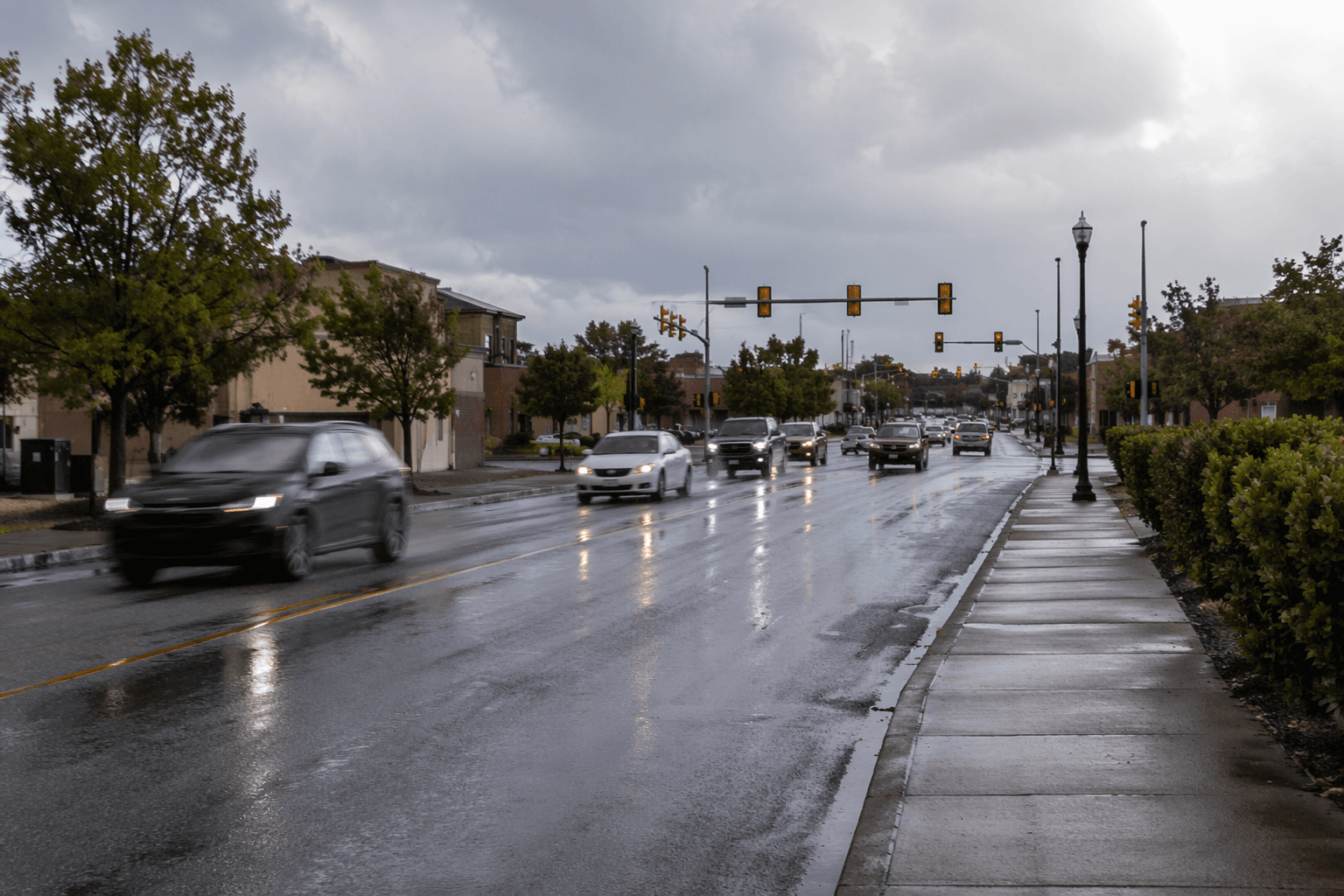
The scale of the problem is part of what gives the plan urgency. Gallup’s roadway fatality rate, 30.9, is far above the U.S. average of 12.2 and the New Mexico average of 20.9. City plan materials describe the Gallup CSAP as a roadmap to reach zero traffic fatalities and serious injuries for all travel modes, including walking, biking, transit and driving. That Vision Zero approach is built on the idea that death on city streets is preventable and should not be treated as unavoidable. The materials say such commitments usually aim for zero fatalities and serious injuries, or a steep reduction, over a generally 20-year horizon.

Council discussion showed how the city is weighing real-world fixes. Sarah Piano, who represents District 3, asked whether lighting was part of the problem, and consultant Clare Haley said darkness mattered but was not the only cause. The appendix to the plan says the safety task force discussed roundabouts and traffic signals as possible treatments, while also recognizing community hesitation about those changes. The task force brought together the City of Gallup, the New Mexico Department of Transportation, McKinley County, Gallup-McKinley County Schools, the Northwest New Mexico Council of Governments, the Gallup Economic Development Corporation, Gallup Land Partners, the Gallup Fire Department and Bohannan Huston.
The city’s agenda materials say Bohannan Huston had already completed a safety analysis, identified high-crash areas and offered recommendations before the council presentation. That gives Gallup a baseline residents can measure against: crash counts, death totals, serious injuries and the city’s worst pedestrian numbers. If the plan works, those figures should fall, first in the known high-crash spots and eventually across the city’s streets, intersections and travel corridors.
This article was produced by Prism’s automated news system from verified source data, official records, and press releases, then run through automated quality and moderation checks before publishing. The system is built and supervised by the people who set the standards it runs under. Read our full AI policy.
Did this article answer your question?