Gallup guide highlights Zuni Pueblo as cultural day-trip destination
Zuni Pueblo is 38 miles southwest of Gallup, but it is not a quick photo stop. A visit works best when it supports artists, respects sovereignty, and leaves sacred places untouched.
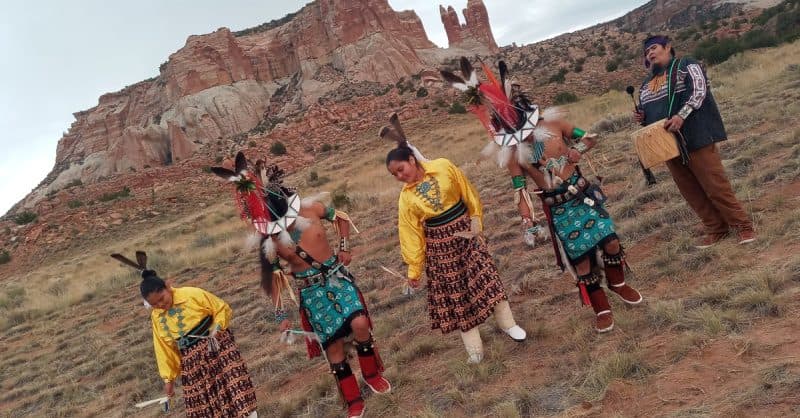
Zuni Pueblo sits about 38 miles southwest of Gallup, close enough for a day trip and large enough to demand real care. The community covers more than 700 square miles, has a population of over 10,000, and Pueblo of Zuni tourism materials call it one of the most traditional of New Mexico’s pueblos.
From Gallup, but on a much larger map
Visit Gallup lists Zuni as the largest of New Mexico’s nineteen pueblos. The reservation spans more than 450,000 acres across McKinley and Cibola counties. That is far bigger than the 12.62 square miles listed for the Zuni Pueblo census-designated place, a useful distinction for anyone trying to understand the difference between the village core and the broader reservation lands.
The distance is short, but the setting is governed by tribal authority, local custom, and the everyday needs of residents.
A sovereign Pueblo, not a sightseeing backdrop
The Indian Pueblo Cultural Center states a basic point: each Pueblo is a sovereign nation. Zuni fits that category, so the right way to think about the trip is as entry into a Native government and home community, not into a museum exhibit.
That distinction is especially important in Zuni because the Pueblo of Zuni has passed a tribal antiquities ordinance making it a criminal offense to excavate, remove, destroy, or desecrate artifacts, archaeological sites, or sacred places on the reservation. In practical terms, that means visitors should leave objects where they are, stay away from protected areas, and treat archaeological sites as cultural property, not souvenir fields.
The National Museum of the American Indian identifies Dowa Yalanne, Corn Mountain, as sacred to the A:shiwi.
History that still shapes the place
Historical markers connect the six original Zuni pueblos to the legendary Seven Cities of Cibola, the places sought by Francisco Vásquez de Coronado in 1540. The present pueblo was settled after the Pueblo Revolt and Spanish reconquest, with one marker dating that settlement to 1699 and another placing it around 1695.
Smithsonian Magazine’s profile, “The Zuni Way,” describes the tribe as “balancing modern life with strong loyalty to the past,” and centuries of history and teachings continue into the future through ancestors’ knowledge used to maintain traditions and language.
A historical marker states that it became the first Indian community to administer its own reservation affairs in 1970.
How to visit with respect
The best first stop for many travelers is the Zuni Visitor Center, a place to arrange tours and get oriented. For a community with this much cultural and historical depth, local guidance is better than assumptions.
- Zuni is a sovereign Pueblo nation, so tribal rules and local expectations come first.
- Sacred and archaeological places are protected by tribal law.
- Dowa Yalanne, Corn Mountain, is a sacred landscape, not a scenic overlook.
- Zuni is known as a “Colony of Artists,” so art should be approached as living cultural work, not novelty merchandise.
A respectful day trip should be shaped by a few simple facts:
Zuni has a unique language and a cultural lineage that reaches across thousands of years.
What a visit brings back to the county
For McKinley County, Zuni’s value is not only cultural. Tourism that supports local businesses and community-run destinations keeps spending tied to the people who live there. A day trip from Gallup can mean meals, admissions, art purchases, and local services that stay connected to the reservation economy rather than flowing to outside operators.
This article was produced by Prism’s automated news system from verified source data, official records, and press releases, then run through automated quality and moderation checks before publishing. The system is built and supervised by the people who set the standards it runs under. Read our full AI policy.
Did this article answer your question?