Gallup Library Hosts Free Narcan Training to Prevent Overdoses
On December 30, 2025, Octavia Fellin Public Library and the City of Gallup Behavioral Health Department hosted a free Narcan training session to teach community members how to recognize and respond to opioid overdoses. The training aimed to equip residents with naloxone administration skills and emergency response steps, strengthening local overdose prevention efforts.
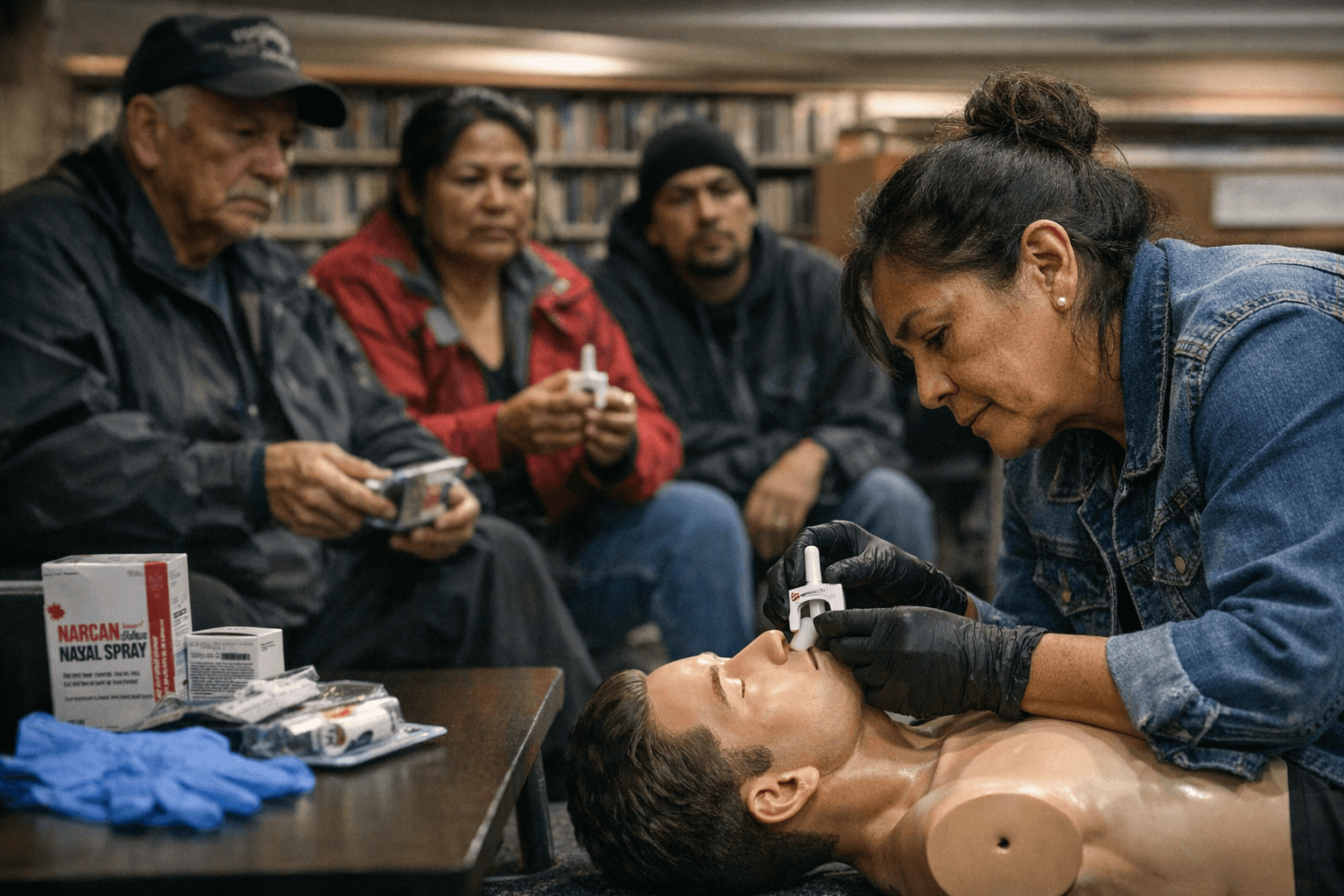
Octavia Fellin Public Library and the City of Gallup Behavioral Health Department hosted a free Narcan training session on December 30, 2025, from 12:00 pm to 2:00 pm. The public event offered instruction in recognizing opioid overdose symptoms, administering naloxone (Narcan), and the steps to take after giving the medication, including contacting emergency services.
Organizers opened the session to anyone in the community, emphasizing the importance of equipping residents with life-saving skills to support overdose prevention efforts in Gallup and across McKinley County. The training aimed to give attendees practical, hands-on knowledge they can use if they encounter an emergency involving opioid use.
The curriculum focused on clear identification of overdose signs, safe use of naloxone, and appropriate follow-up actions after an administration. Trainers reviewed how to check responsiveness and breathing, how to administer naloxone safely, and how to involve emergency medical services promptly. Participants were also encouraged to learn about local resources for addiction treatment and behavioral health services that can provide ongoing support.
By holding the training at the public library, organizers leveraged a familiar community space to reach a broad audience, including residents who may not routinely engage with health departments. The collaboration between a civic cultural institution and the municipal behavioral health department underscores a growing approach to public health that meets people where they are.
For McKinley County residents, expanded community knowledge of naloxone use may mean faster, more effective responses when overdoses occur. Training more neighbors, family members, and bystanders can reduce the time between an overdose and life-saving intervention, while reinforcing connections to emergency services and treatment options.
Those who missed the December 30 session are encouraged to contact local public health and behavioral health offices, libraries, or community organizations for information on future Narcan trainings and overdose prevention resources. Building a network of trained responders is a practical step communities can take to reduce harm and support residents struggling with opioid use.
This article was produced by Prism’s automated news system from verified source data, official records, and press releases, then run through automated quality and moderation checks before publishing. The system is built and supervised by the people who set the standards it runs under. Read our full AI policy.
Did this article answer your question?