Gallup-McKinley County Schools creates Equity Council for community input
GMCS launched an Equity Council to formalize family input in a district serving 9,778 students across 4,857 square miles.

Gallup-McKinley County Schools has created an Equity Council that will test whether the district is giving families real influence or just another advisory channel. The council is meant to help guide district decisions and better serve all students, especially those who have historically faced barriers to success in school.
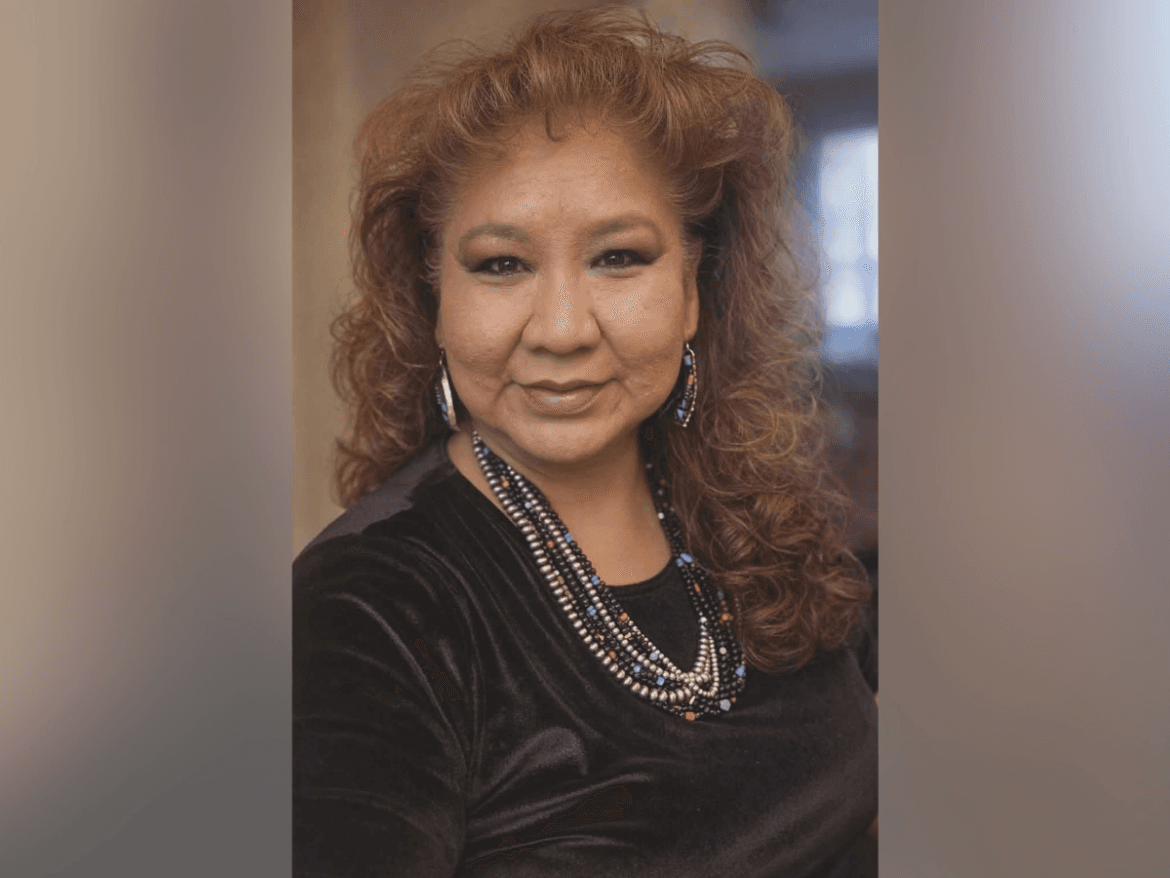
The district’s Equity Council page says GMCS established the group as part of a commitment to a school system where every student, staff member and family feels valued, supported and able to succeed. Interim superintendent Jvanna Hanks is the public face of that effort after the board voted 5-0 on Feb. 26 to appoint her effective March 2, 2026.
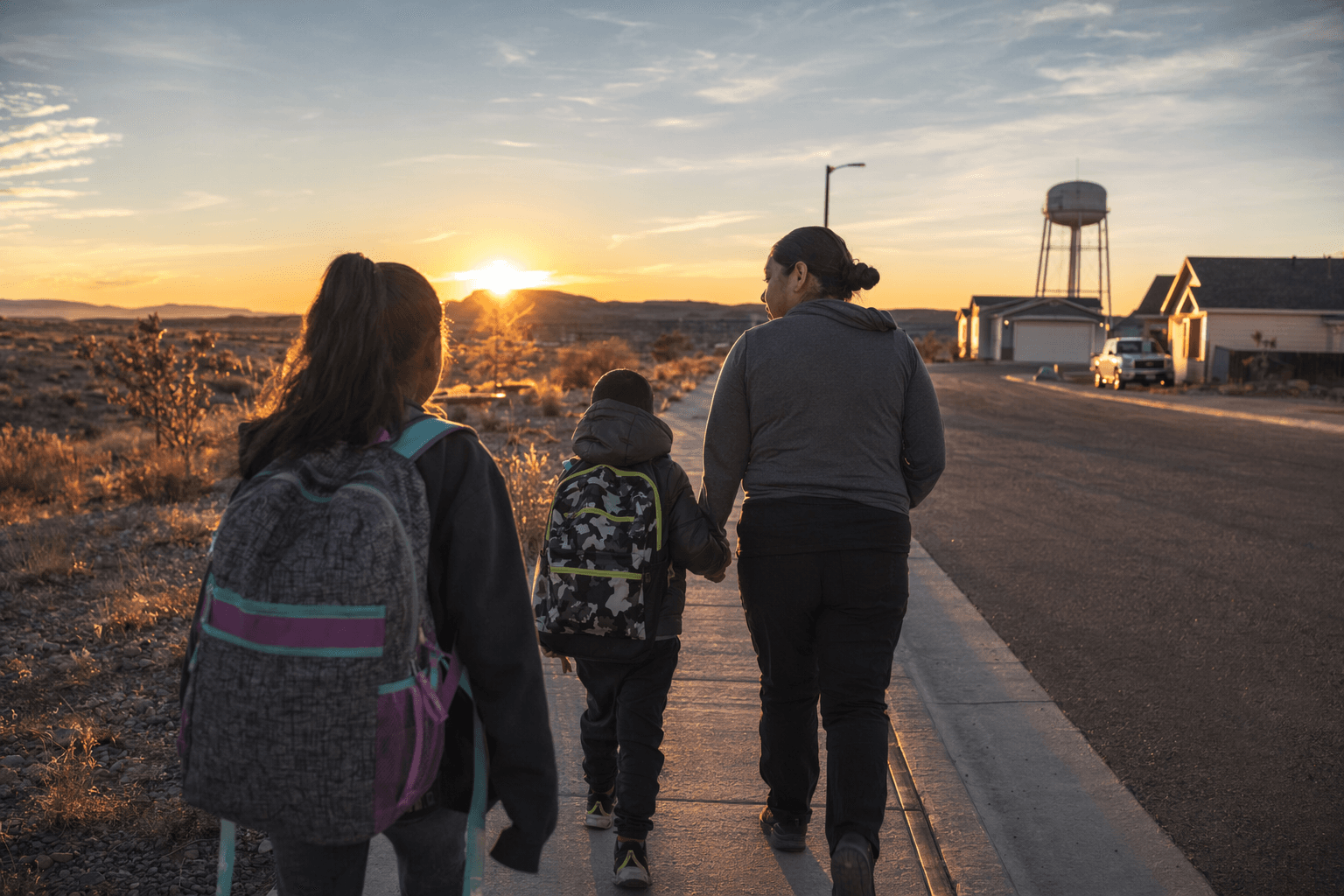
GMCS’s own district profile puts McKinley County’s population at about 75,000 and says the district serves 9,778 students in 31 schools and two programs. A separate 2025 tribal education status report says the district serves about 12,227 students, with roughly 70% identifying as American Indian. Another state education profile describes GMCS as New Mexico’s geographically largest district, covering 4,857 square miles.
That reach matters in a county that includes the Navajo Nation and the Zuni Pueblo. In a district that large and that rural, communication gaps can leave parents feeling disconnected from central office decisions, especially when concerns surface only after they become public. The Equity Council is intended to create a standing place for parents, staff, students and community members to raise issues before they harden into larger problems.
The district has used other engagement tools before, including a District Parent Advisory Committee and community input listening tours. The new council builds on that history, but its value will depend on who gets seats, how often it meets and whether district leaders act on what they hear. GMCS has not yet detailed those operating pieces publicly.
If the council has real authority, it could shape how GMCS thinks about discipline, attendance, language access, transportation, school climate and the support students need to stay on track. That is especially important in a district whose Title VI and cultural education programs were built around the needs of American Indian students and parent participation. GMCS says Title VI of the Indian Education Act was first authorized by Congress in 1972 in response to poor outcomes for Native students.
For McKinley County families, the question now is not whether the district can announce another committee. It is whether the Equity Council becomes a place where rural and Native communities can influence the decisions that affect classrooms before the next school year begins.
Know something we missed? Have a correction or additional information?
Submit a Tip