Gallup soldier buried 72 years after Korean War death
Sgt. Celestino Chavez Jr. came home to Gallup after 72 years, closing a long wait for a family and a town that never stopped claiming him.
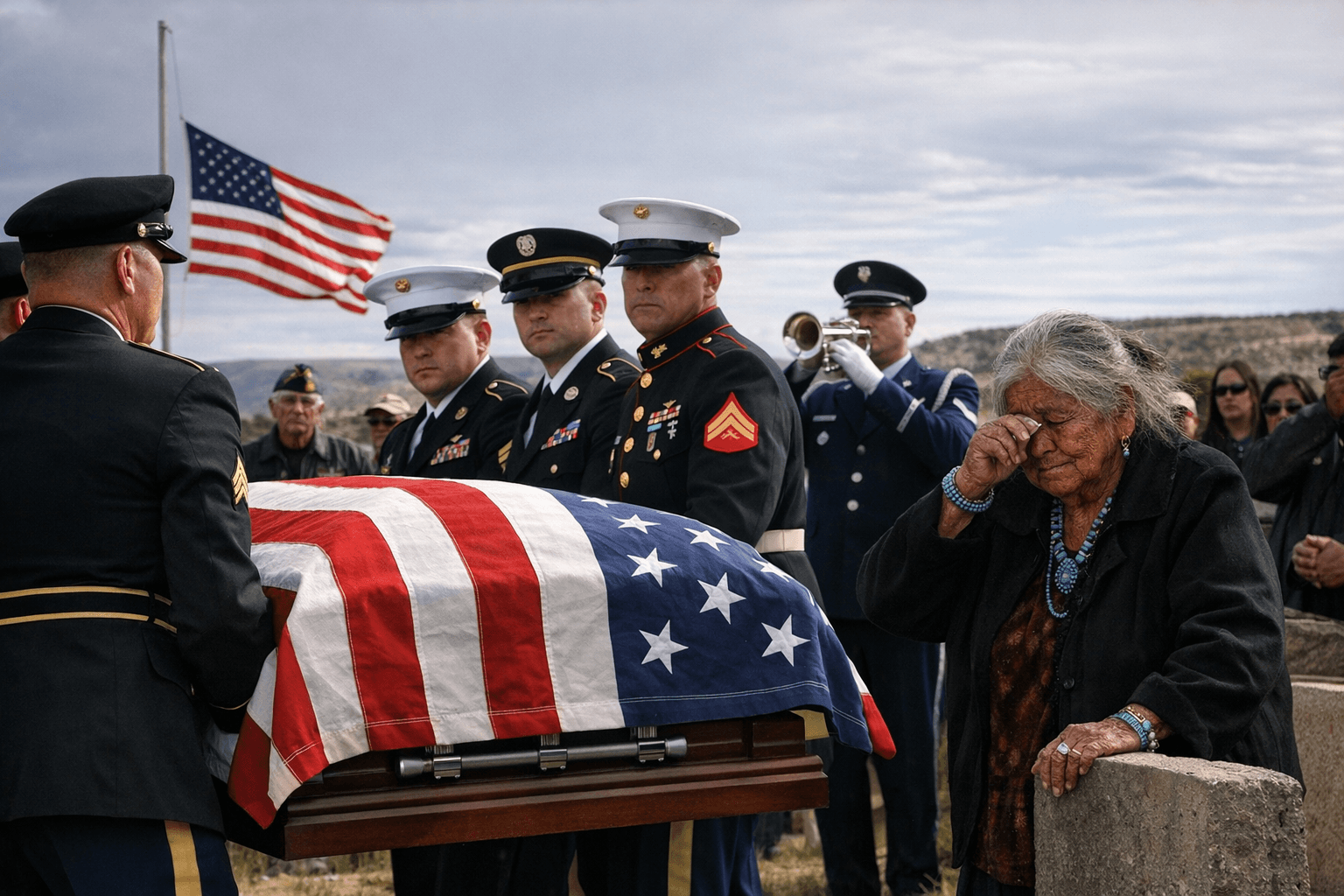
A Gallup family finally got Sgt. Celestino Chavez Jr. back, and McKinley County got to honor a 19-year-old soldier by name after 72 years. For a community that has carried his memory for generations, the hometown burial was more than a military ceremony. It was the moment a young man who left New Mexico for war was brought home at last.
The Defense POW/MIA Accounting Agency said Chavez was accounted for on April 15, 2025, and buried in Gallup on April 15, 2026. Chavez served with D Battery, 15th Anti-Aircraft Artillery, Automatic Weapons Battalion, 7th Infantry Division. He was wounded while defending his position near the Jangjin, or Chosin, Reservoir in what is now the Democratic People’s Republic of Korea, evacuated to an aid station on Nov. 30, 1950, and reported missing in action on Dec. 2, 1950 after his convoy was ambushed en route to Hagaru-ri.
The Army issued a presumptive finding of death on Dec. 31, 1953. DPAA said Chavez was later awarded the Silver Star posthumously for continuing to man his position despite his wounds during the attack. For his family, the identification closed a chapter that had stretched across most of modern New Mexico history, from the Korean War era to the present day.
Modern forensic work made the homecoming possible. DPAA said identification relied on anthropological analysis, mitochondrial DNA analysis, mitochondrial genome sequencing and nuclear single nucleotide polymorphism analysis. The agency also pointed to the remains returned by North Korea in 2018, 55 boxes transferred after the Trump-Kim summit, as part of the broader Korean War accounting effort that continues to bring answers to families decades later.
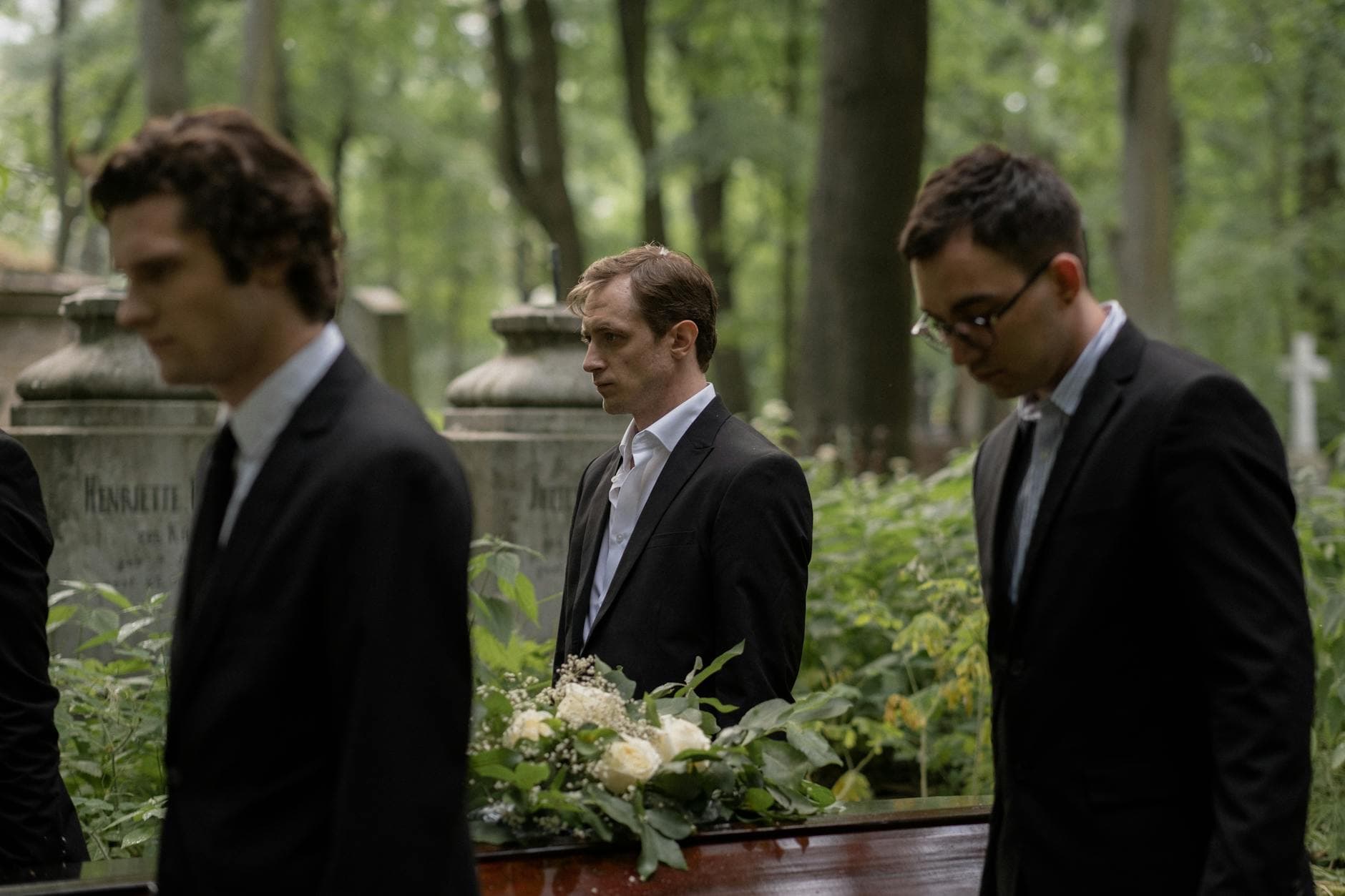
The burial carried a wider meaning in Gallup and across McKinley County, where military service and remembrance often run through the same families. The Department of Veterans Affairs says 6.8 million Americans served during the Korean War era, and that population is now rapidly declining as that generation ages. Each identification is therefore both a personal reunion and a shrinking window of historical memory.
A similar New Mexico burial in 2015 showed how long these cases can take, with 15 years of work needed to sort through 208 boxes of commingled remains before one soldier could be identified. Chavez’s return showed the same patience, the same science and the same enduring pull of home.
This article was produced by Prism’s automated news system from verified source data, official records, and press releases, then run through automated quality and moderation checks before publishing. The system is built and supervised by the people who set the standards it runs under. Read our full AI policy.
Did this article answer your question?


