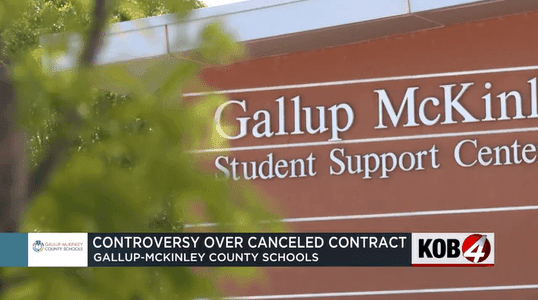
GMCS issues fact sheet amid EEOC discrimination investigation lawsuit
GMCS is defending itself publicly as the EEOC presses a discrimination case that could force the district to turn over hiring records and answer more questions.

A federal discrimination fight has moved into Gallup-McKinley County Schools’ public messaging, with the district posting a fact sheet on May 4 as the U.S. Equal Employment Opportunity Commission pushed a second subpoena enforcement action in U.S. District Court for the District of New Mexico.
The EEOC says the case began with a Commissioner’s charge filed in August 2024 by then-Commissioner, now Acting Chair Andrea Lucas. The agency alleges a pattern or practice of intentional discrimination against Native American applicants and employees in interviewing, hiring, promotion, classification and other employment practices for classroom teacher, administrator and principal jobs. GMCS’s fact sheet is its effort to explain its position directly to parents, employees and the wider McKinley County public as the case advances.

The EEOC says it first sought interviews with two high-level GMCS administrators, but those interviews were canceled the day before they were scheduled. The agency then issued subpoenas after witnesses did not appear for administrative depositions. In its April 30 filing, the EEOC said it was seeking data on applicants and current and former employees covering roughly five years, including name, race, ethnicity, hire date, position, department and contact information. What remains unproven is the underlying discrimination claim itself; the federal court fight now centers on whether the district must produce records and comply with the agency’s demands during the investigation.
For GMCS, the stakes reach beyond the courthouse. The district serves more than 9,700 students across almost 5,000 square miles in western New Mexico, and nearly 80% of those students are Native American. That scale makes any challenge to hiring and personnel practices especially sensitive in a system where staffing decisions affect classrooms, school leadership and employee morale across Gallup and outlying communities.
The case also carries broader governance consequences. If a judge orders compliance, GMCS could be required to release additional records and spend more time and money on legal defense while public attention stays fixed on its employment practices. The district’s fact sheet shows it is trying to shape the narrative early, but the EEOC’s allegations and the pending court action keep the central questions open: how GMCS hires, how transparent it has been, and whether the district can reassure families and employees before the dispute hardens into a longer public trust problem.
Know something we missed? Have a correction or additional information?
Submit a Tip