GMCS Superintendent Responds to Navajo Nation Report on Student Discipline Disparities
A Navajo Nation commission found GMCS expels Native students at disproportionate rates. Superintendent Hanks now says the district, where 70% of 13,000 students are Native, is committed to change.

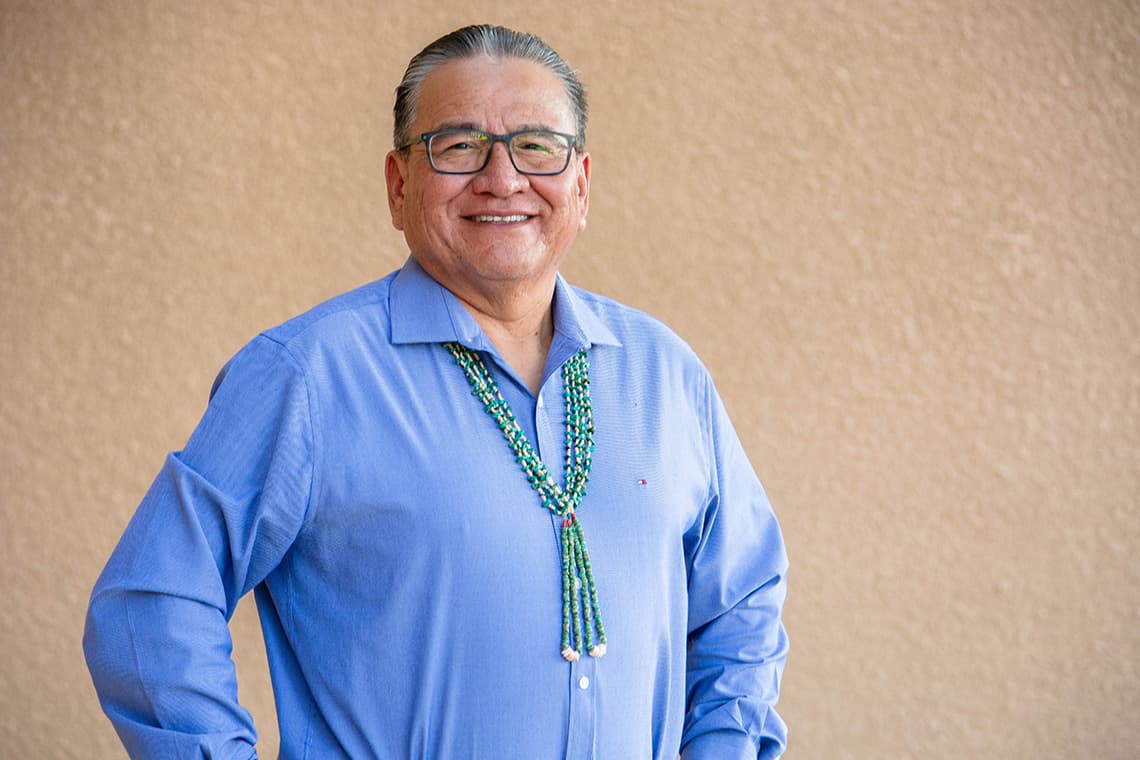
Superintendent Hanks committed this week to addressing systemic expulsion disparities against Native students at Gallup-McKinley County Schools, responding publicly to a Navajo Nation Human Rights Commission report that documented years of discriminatory discipline in a district where seven in ten of 13,000 students are Native American.
The commission's 25-page report, published February 17 after four public hearings at Navajo Nation chapter houses in late 2025, compiled testimony from students, staff and families describing pervasive discrimination and disproportionately harsh discipline, including expulsions. Among its recommendations: culturally appropriate restorative alternatives to punitive discipline, improved communication with tribal communities, and a separate investigation into alleged retaliation against staff members who raised concerns internally.
Hanks acknowledged the findings and said the district is "working to continue and to further address the kinds of concerns addressed in the [Navajo Nation Human Rights] Commission's report." The superintendent cited new district leadership and a newly constituted school board as evidence GMCS is positioned to act on those concerns.
The commission's work built on a 2022 investigation by New Mexico InDepth and ProPublica that first documented large racial disparities in GMCS expulsions and other punitive measures. That reporting triggered a formal inquiry by the New Mexico Attorney General in 2023, an investigation that remains active.
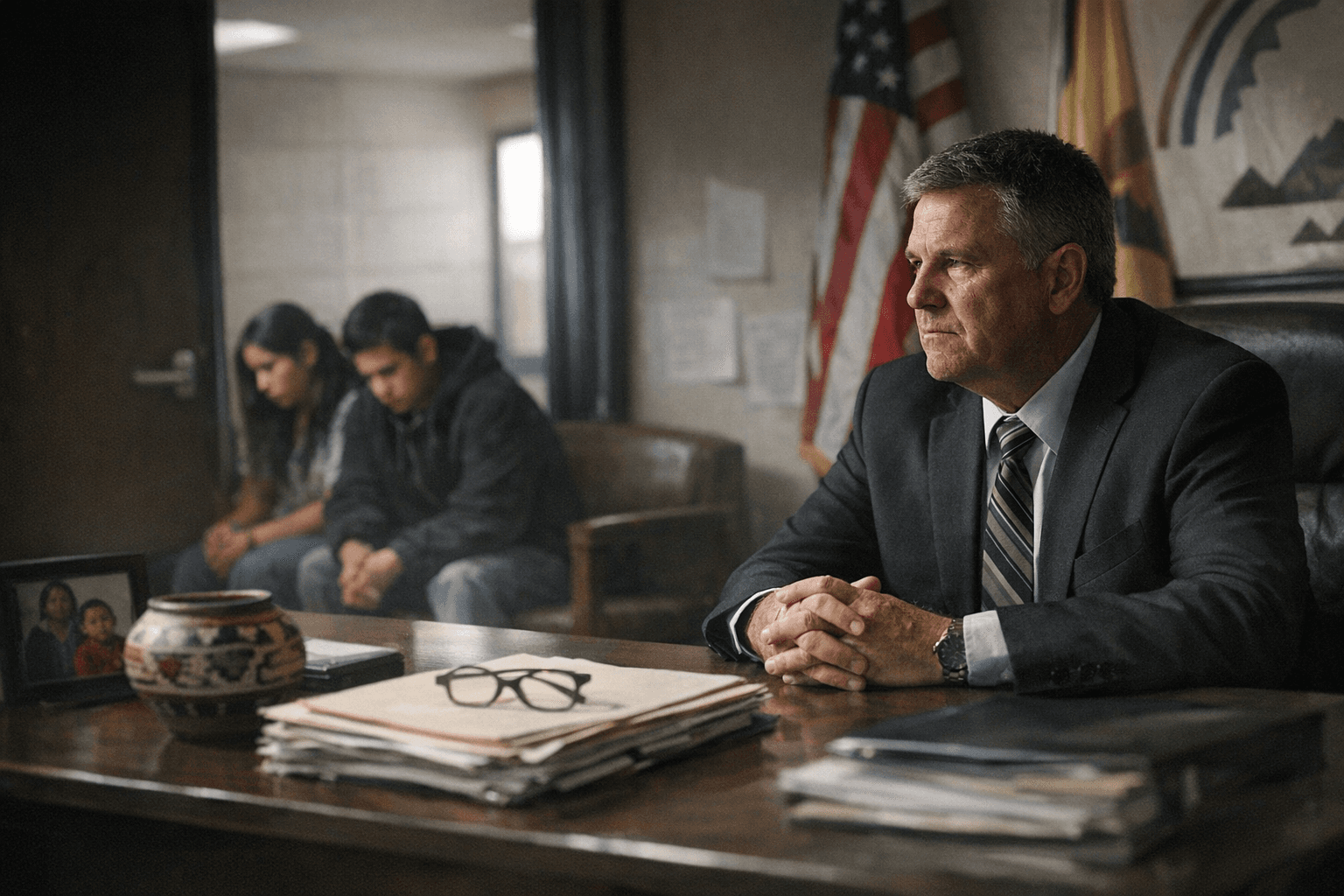
The consequences fall hardest in a district where half of its 32 schools sit on Navajo Nation land. Restorative discipline practices, if adopted, could reduce suspensions and expulsions, improve attendance, and rebuild trust between GMCS and the tribal communities its campuses serve. The commission stated it stands ready to collaborate with both Navajo Nation leadership and district officials on practical reforms. If the district's commitments stall, the Attorney General's inquiry and continued commission oversight are likely to remain on the table.
WHAT PARENTS AND STUDENTS CAN DO
GMCS board meetings and upcoming public-engagement sessions are the most direct forums for families to raise concerns and hold the district to specific commitments. The New Mexico Attorney General's 2023 discipline inquiry remains an active oversight channel for reporting incidents. Families who believe their children faced discriminatory discipline should document those incidents in writing and contact the Navajo Nation Human Rights Commission, which continues to monitor whether the district acts on its February recommendations.
This article was produced by Prism’s automated news system from verified source data, official records, and press releases, then run through automated quality and moderation checks before publishing. The system is built and supervised by the people who set the standards it runs under. Read our full AI policy.
Did this article answer your question?