Heinrich says park fees should stay with public lands maintenance
Heinrich warned that diverting park-entry fees would drain money from trails, buildings and visitor services, with a $24.2 billion maintenance backlog already hanging over public lands.
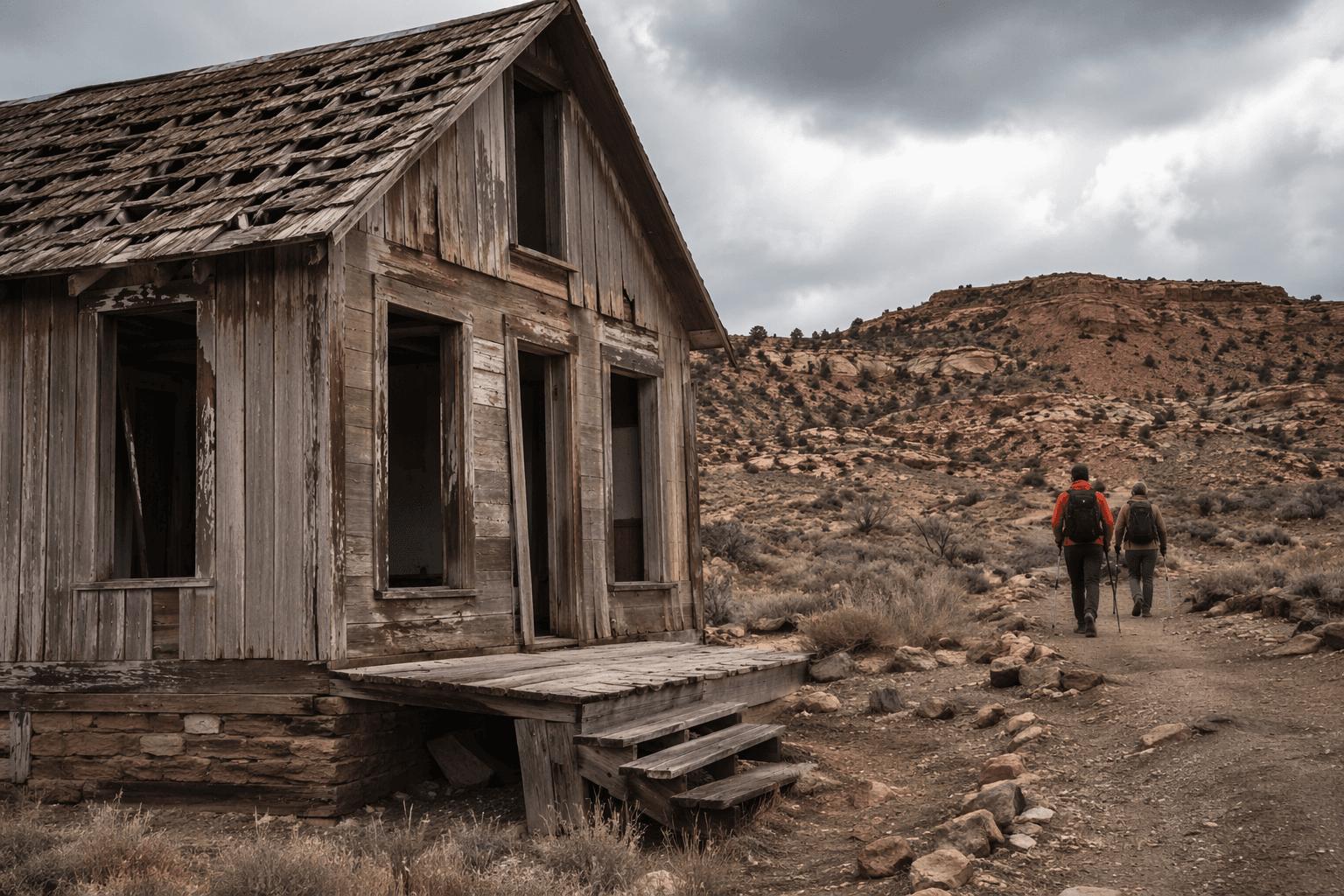
McKinley County visitors who pay to enter national parks could end up funding unrelated federal projects instead of the trails, roads and visitor facilities they use, Sen. Martin Heinrich warned. He argued that park-entry fees should stay with the public lands that generate them, a fight that carries real weight in northwest New Mexico, where outdoor tourism, Route 66 traffic and nearby public lands help support local businesses and seasonal work.
Heinrich framed the issue as one of maintenance and access. By the end of fiscal year 2025, the National Park Service deferred maintenance backlog had climbed past $24.2 billion, a figure that underscores how much work already sits undone across the park system. Heinrich and his allies say entry fees were created to help cover the upkeep of trails, visitor infrastructure, buildings and other assets that millions of people rely on each year.
The warning is especially relevant for communities around Gallup, Vanderwagen, Zuni and Crownpoint, where public lands are part of daily life and the visitor economy. If fee revenue is redirected away from the parks and monuments that generate it, the result could be fewer repairs, weaker visitor services and a decline in the condition of the sites that draw tourists, school groups and outdoor travelers through McKinley County. For a region that depends on the quality of its outdoor destinations, even small cuts in maintenance can echo through local motels, restaurants and outfitters.
Heinrich also criticized the Trump administration for using park money on what he called vanity projects, including ornamental fountains, the Lincoln Memorial Reflecting Pool and gold leaf on statues. His argument was simple: money collected from park visitors should be reinvested where those visitors paid it, not steered toward projects far removed from the public lands that need the work.
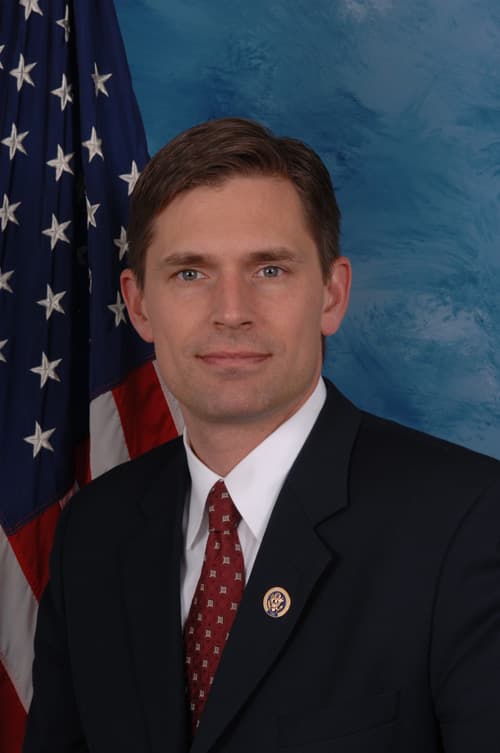
For McKinley County, the debate is not abstract. The condition of nearby public lands affects how long visitors stay, what they spend and whether they return. When federal funding decisions shift away from maintenance, the impact can reach far beyond Washington and land directly on the roads, trails and businesses that serve northwestern New Mexico.
This article was produced by Prism’s automated news system from verified source data, official records, and press releases, then run through automated quality and moderation checks before publishing. The system is built and supervised by the people who set the standards it runs under. Read our full AI policy.
Know something we missed? Have a correction or additional information?
Submit a Tip