Man to face trial in missing Navajo elder's assault, carjacking case
A plea deal rejection pushed Preston Henry Tolth toward trial in Ella Mae Begay’s 2021 disappearance, a case that still haunts Navajo families.
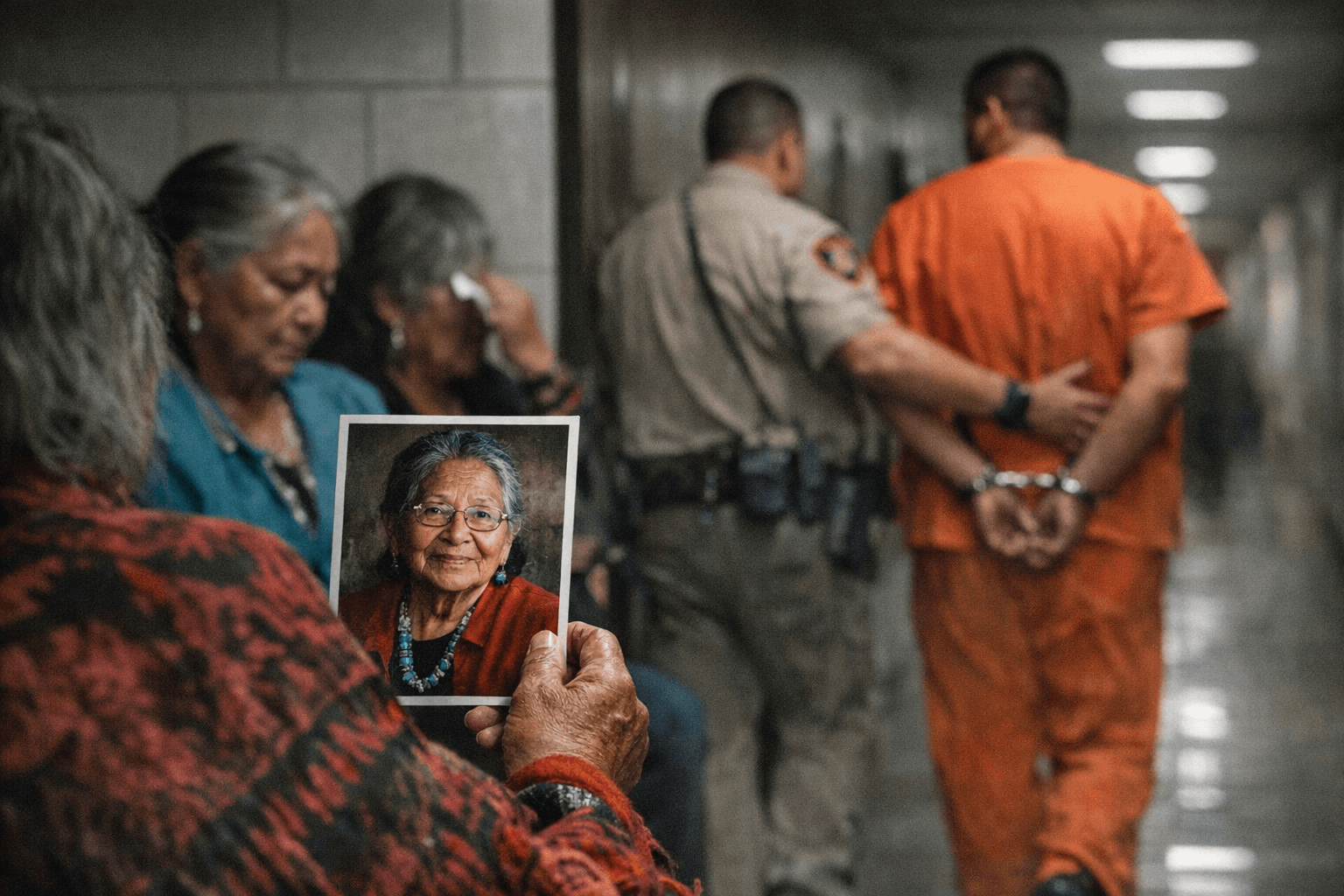
A federal judge’s rejection of a plea deal has pushed Preston Henry Tolth toward trial in the assault and carjacking case tied to missing Navajo elder Ella Mae Begay, a case that has become a painful marker of the Missing and Murdered Indigenous People crisis across McKinley County and the Navajo Nation.
Begay was reported missing on June 15, 2021, from her home near Sweetwater, Arizona, on the Navajo Nation. Federal investigators and Navajo Nation Police said her Ford F-150 was seen leaving the residence early that morning, and they believed the truck may have been driven toward Thoreau, New Mexico, and possibly on to Albuquerque.
Tolth, now 26, admitted during the plea hearing to beating Begay and leaving her for dead, according to court coverage. But on April 9, 2026, a federal judge in Phoenix rejected the agreement, clearing the way for Tolth to face trial on carjacking and assault charges. A trial date has not been set.
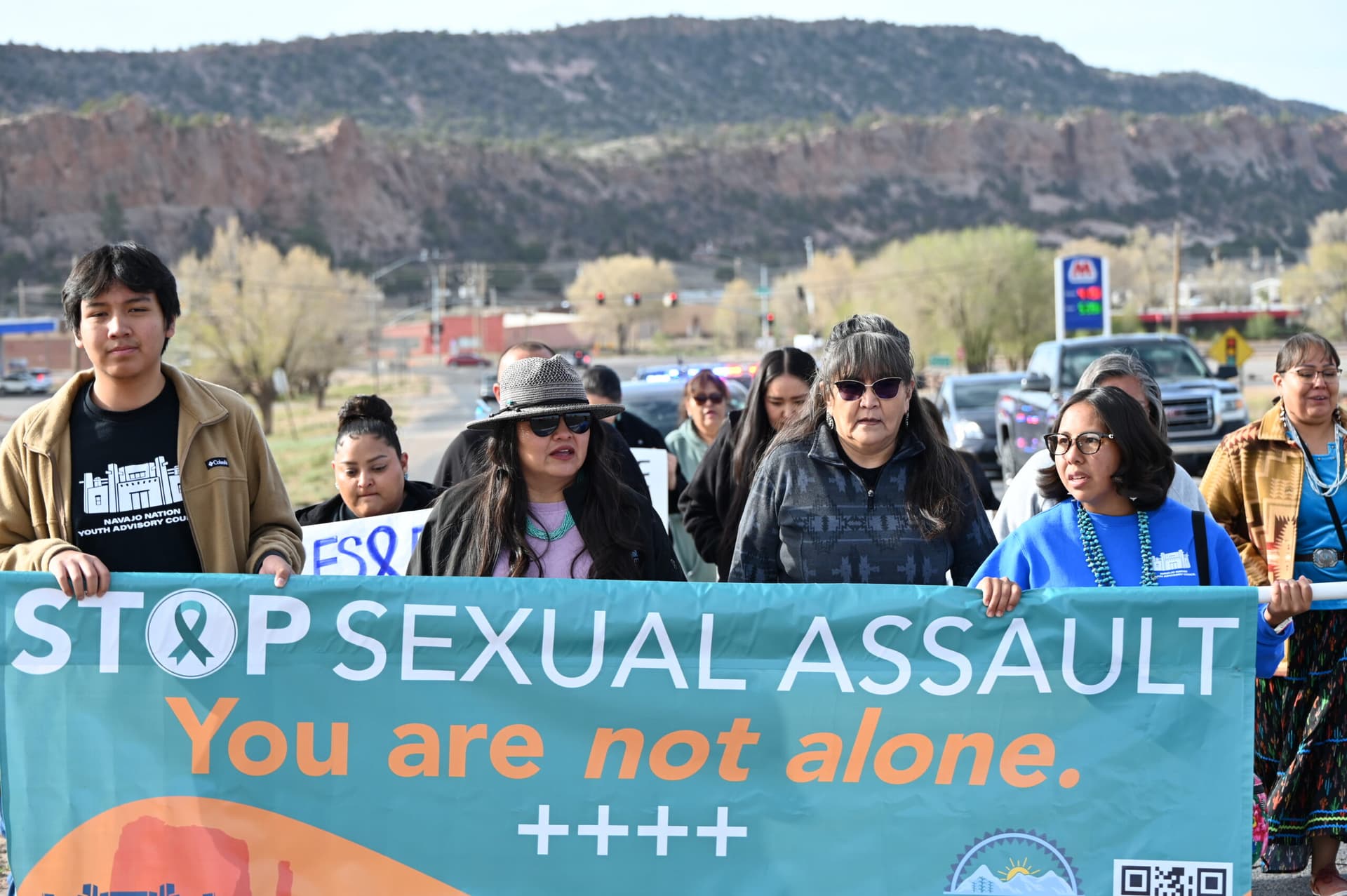
The case has carried unusual force in the Four Corners region because it sits at the intersection of violent crime, delayed answers, and the broader crisis facing Native families who search for missing loved ones with too little information and too few public updates. In July 2022, the FBI said it had verified more than 170 Native Americans as missing throughout New Mexico and the Navajo Nation, a number that reflects how many families are still waiting for basic answers.
Begay’s son and niece testified against the plea deal, underscoring how strongly her family opposed any resolution that did not go to trial. Navajo Nation President Buu Nygren also met with Begay’s family as part of his outreach to families of missing and murdered loved ones.
Nearly five years after she disappeared, Begay has not been found. For families in McKinley County and neighboring Navajo communities, the case is more than a courtroom proceeding: it is a reminder of the gaps in protection, reporting, and support that still shape what happens when Native women go missing.
This article was produced by Prism’s automated news system from verified source data, official records, and press releases, then run through automated quality and moderation checks before publishing. The system is built and supervised by the people who set the standards it runs under. Read our full AI policy.
Did this article answer your question?