Manuelito Canyon landmark highlights McKinley County's deep Indigenous history
Manuelito Canyon’s landmark status is more than a heritage label, it can shape land use, tourism, and who gets to protect a living Navajo homeland.
Why the landmark designation matters now
Manuelito Canyon is not just another scenic pullout between Gallup and Arizona. Its National Historic Landmark status means the site sits in a small class of places recognized for national significance, with protections and practical benefits that can influence how the land is treated, studied, and promoted.
That matters in McKinley County today because the canyon is both an archaeological record and a living cultural landscape. The designation can help shield historic character from some federal actions and may make the site more eligible for grants and tax credits. In a corridor where development, tourism, and transportation keep pressing against preservation, that difference can shape who benefits from the landscape and how future generations encounter it.
Where Manuelito Canyon sits and what it preserves
The Manuelito Canyon Historic District, also known as the Manuelito Complex, sits roughly midway between Gallup, New Mexico, and Lupton, Arizona. Archaeological evidence places occupation there from about 700 to 1350 A.D., which gives the canyon a long record of human use long before railroads, Route 66, or the modern city of Gallup.
The area was designated a National Historic Landmark in 1964. That date still matters because it marked the canyon as a place of national importance, not simply local interest. The National Park Service says there are more than 2,600 National Historic Landmarks in the United States, and only a fraction of places carry that level of recognition.
For readers in McKinley County, the canyon is a reminder that the region’s story does not begin with tourism brochures or highway signage. It reaches back through centuries of habitation, trade, and movement across the Southwest. That deeper timeline is part of what makes the site valuable for schools, cultural visitors, researchers, and residents who want a clearer sense of what Gallup stands on top of.
A corridor tied to the Trail of the Ancients
Visit Gallup places Manuelito Archaeological Complex within the larger Trail of the Ancients, a scenic byway that links important archaeological and geological sites across north-west New Mexico. That framing is important because it turns the canyon from an isolated landmark into part of a broader heritage corridor that already draws travelers interested in Indigenous history and ancestral Pueblo sites.
For local tourism, that creates a direct connection between preservation and economic value. A site that is protected, interpreted well, and woven into regional travel routes can help keep visitors in the area longer, encouraging stops in Gallup and nearby communities rather than a quick pass-through. In that sense, the landmark designation is not just symbolic. It can influence how the region markets itself and how heritage spending circulates through the county.
The same logic applies to education. When students, teachers, and families look for a nearby place that shows the continuity of human settlement in the Southwest, Manuelito Canyon offers a concrete local example. It gives McKinley County a reference point for teaching archaeology, land stewardship, and the long Indigenous history of the region.
Why the canyon carries Diné meaning
The landmark’s significance is also inseparable from Diné history. The Manuelito area takes its name from Chief Manuelito, a major Navajo leader who opposed forced relocation of his people. Visit Gallup identifies Manuelito, born in 1818 and dying in 1893, as a prominent Navajo leader who rallied his people against U.S. military oppression.
That history connects the canyon to the Bosque Redondo era, one of the defining chapters in Navajo memory. On June 1, 1868, the Treaty of Bosque Redondo allowed the Navajo to return to their homeland and established the Navajo Reservation. New Mexico Historic Sites notes that Navajo oral tradition credits Diné women, as well as men, in the treaty negotiations, adding another layer to how the return home is remembered.
For McKinley County, those details matter because the canyon is not just ancient ground. It is part of a continuity of homeland, resistance, and return. The place name itself carries that memory forward, linking the landscape to a leader whose legacy still resonates across the Navajo Nation.
How protected status affects land use and public benefit
National Historic Landmark status does not freeze a place in time, but it does change the conversation around it. The National Park Service says the designation helps protect the historic character of a property from some federal actions and may facilitate eligibility for grants, tax credits, and other opportunities. That can matter when roads, utilities, tourism development, or other projects move through the Gallup corridor.
It also affects who gets to benefit. A protected site can support heritage tourism, educational programming, and preservation work that keeps local history visible rather than erased. For county residents, that means the canyon can function as both a cultural resource and a planning consideration: something to visit, study, and protect, rather than simply a parcel of land available for whatever comes next.
In practical terms, the landmark status reinforces a simple point: not every stretch of land between Gallup and Lupton should be treated the same way. Manuelito Canyon deserves a different level of care because it holds archaeological evidence, Indigenous memory, and a nationally recognized historical record.
What Manuelito Canyon says about McKinley County
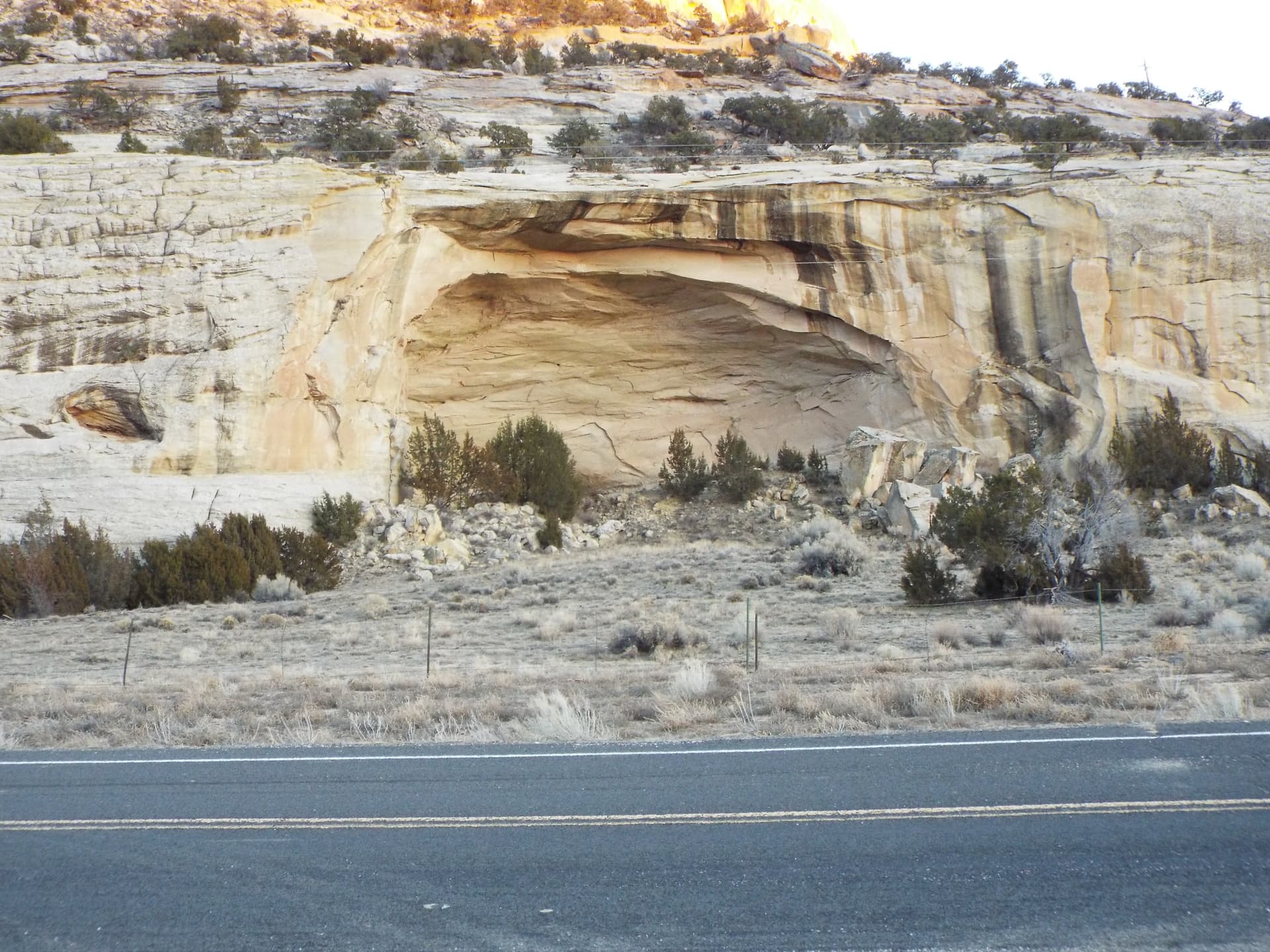
Manuelito Canyon helps explain why McKinley County matters in the Southwest. The county is not only a place of present-day headlines, but also a place where deep Indigenous history remains visible in the landscape and in the names people still use. The canyon’s sandstone formations and river channels, as described by the Manuelito Chapter on the Navajo Nation, make clear that this is a lived-in homeland as much as a heritage site.
That dual identity is what gives the landmark its enduring power. It invites visitors to see more than a roadside view, and it gives residents a concrete reminder that the land between Gallup and Lupton carries centuries of story. In a county where land use decisions can quickly become cultural decisions, Manuelito Canyon stands as a landmark that still shapes memory, stewardship, and the future.
This article was produced by Prism’s automated news system from verified source data, official records, and press releases, then run through automated quality and moderation checks before publishing. The system is built and supervised by the people who set the standards it runs under. Read our full AI policy.
Did this article answer your question?


