Myron Lizer enters Navajo Nation presidential race, vows economic sovereignty
Myron Lizer jumped into the Navajo presidential race as one of 16 candidates, putting economic sovereignty and jobs at the center of a crowded field.
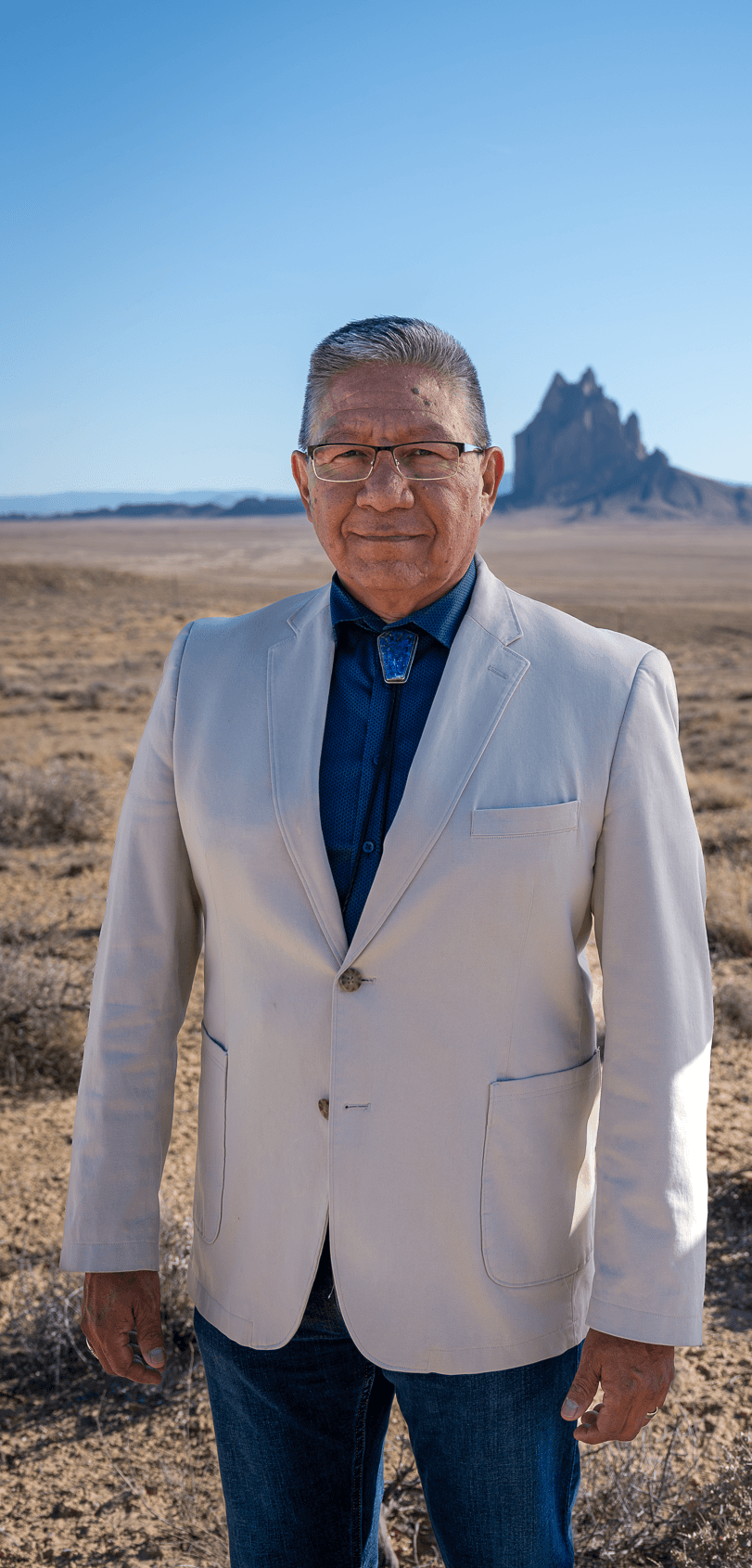
Myron Lizer’s entry into the Navajo Nation presidential race gave voters in McKinley County another familiar name to weigh in a contest already packed with 16 candidates and rising stakes for Gallup-area communities.
Lizer launched his campaign on May 12 and cast it as a fight for economic sovereignty, long-term prosperity and a more trusted Office of the President. For readers in Gallup, Zuni and across the Navajo Nation, that framing matters because the next president will help shape the decisions that touch roads, housing, public safety, health care and business development in places where government policy can be felt quickly and directly.
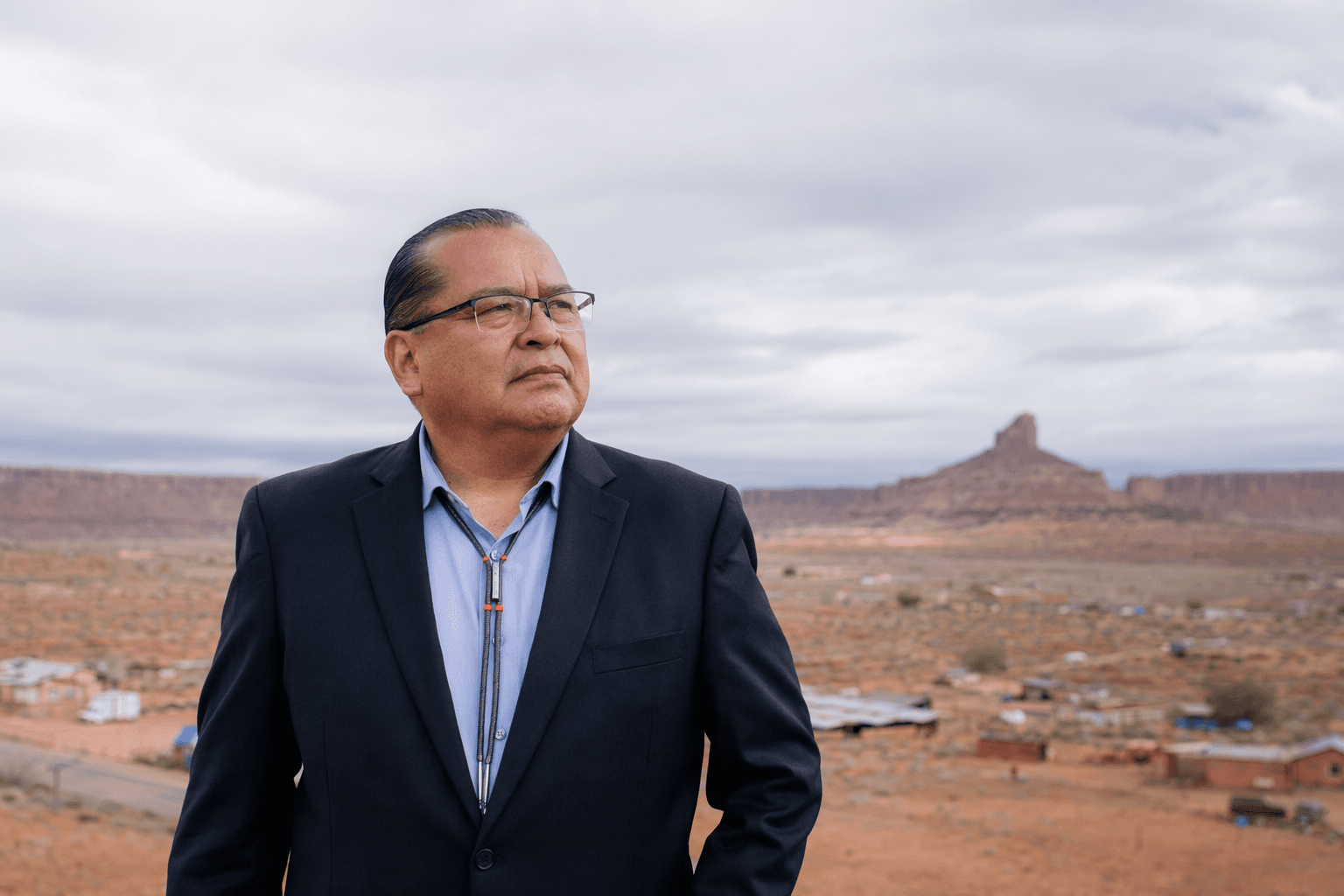
The field was already crowded before Lizer stepped in. The Navajo Election Administration certified 16 candidates for president on April 24, and Lizer was listed first on the tentative ballot order. Other certified contenders include incumbent President Buu Nygren, former Vice President Frank Dayish Jr., Speaker Crystalyne Curley, Justin Jones, Kevin L. Cody, Arvin Trujillo, Tom T. Chee, Alexander Chambers, Larry Noble, Jordan Begay, Emily Ellison, Donovan Begay, Debbie Nez-Manuel, Johnny Russell Jr. and Andrew Curley. The filing period opened April 9 and closed April 22, with the presidential filing fee set at $1,500.
Lizer is not entering from the outside. He served as Navajo Nation vice president from 2019 to 2023 under President Jonathan Nez, giving him executive experience that will now be tested against the record of the current administration. The 2022 election, when Nygren and Vice President Richelle Montoya defeated the Nez-Abeyta ticket, still hangs over the race as voters compare governing styles, unfinished promises and who can deliver visible results.
The election calendar also raises the pressure. The Navajo Nation moved its 2026 primary to July 21 to align with Arizona’s election schedule, while Navajo voters in New Mexico will vote in their state primary on June 2 and Navajo voters in Utah on June 23. The Navajo Election Administration said the July 21 primary will be held at all 110 chapter houses from 6 a.m. to 7 p.m., a reminder of how spread out and logistically complex Navajo voting remains across Arizona, New Mexico and Utah.
The winner will emerge from the July 21 primary, face the general election on Nov. 3 and take office in January 2027. That makes Lizer’s campaign less about an opening statement than an argument for who should steer the Navajo Nation’s executive branch, which oversees personnel and programs and carries the burden of negotiations over energy, water, infrastructure and federal support.
This article was produced by Prism’s automated news system from verified source data, official records, and press releases, then run through automated quality and moderation checks before publishing. The system is built and supervised by the people who set the standards it runs under. Read our full AI policy.
Did this article answer your question?