Navajo leaders discuss water, roads and drought at Montezuma Creek meeting
Water, roads and health care dominated the Montezuma Creek meeting, but leaders put only partial dollars and few firm timelines on the table.

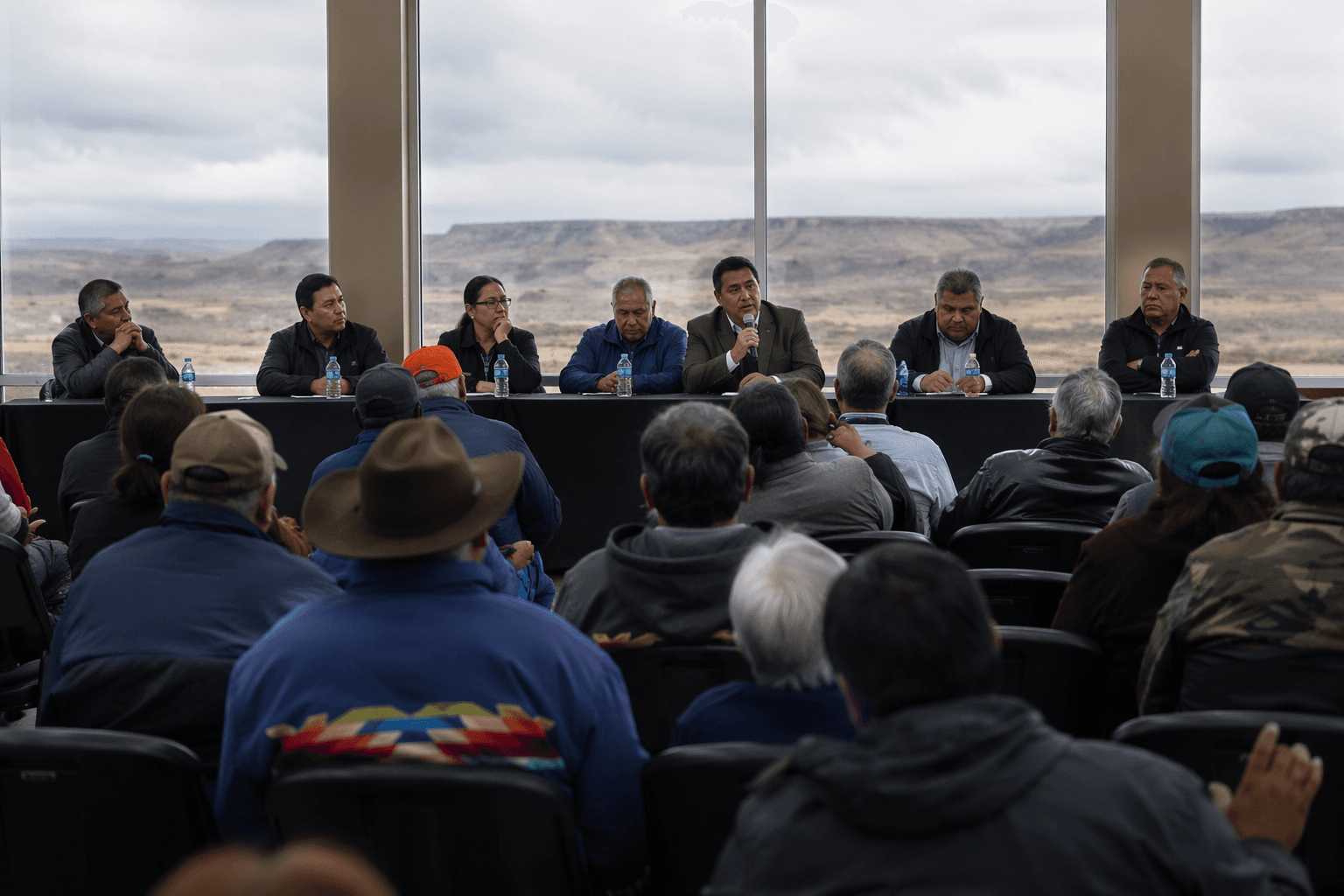
Families across the Northern Navajo Agency heard the same message in Montezuma Creek: the pressure points are water, roads, drought and health care, but the commitments still trail the need. At Whitehorse High School on June 20, members of the 25th Navajo Nation Council met with the Northern Navajo Agency Council and laid out a mix of priorities that reach straight into daily life in McKinley County and the surrounding Navajo communities.
What leaders put on the table
Speaker Crystalyne Curley used her legislative update to touch transportation funding, drought response, water planning, broadband expansion and the possibility of a future special session. That combination matters because it shows where the council says the bottlenecks are, and also where the money has, and has not, caught up. The conversation was not abstract. It centered on chapter priorities, community development, agricultural operations, road maintenance and the role chapters play in deciding what gets fixed first.
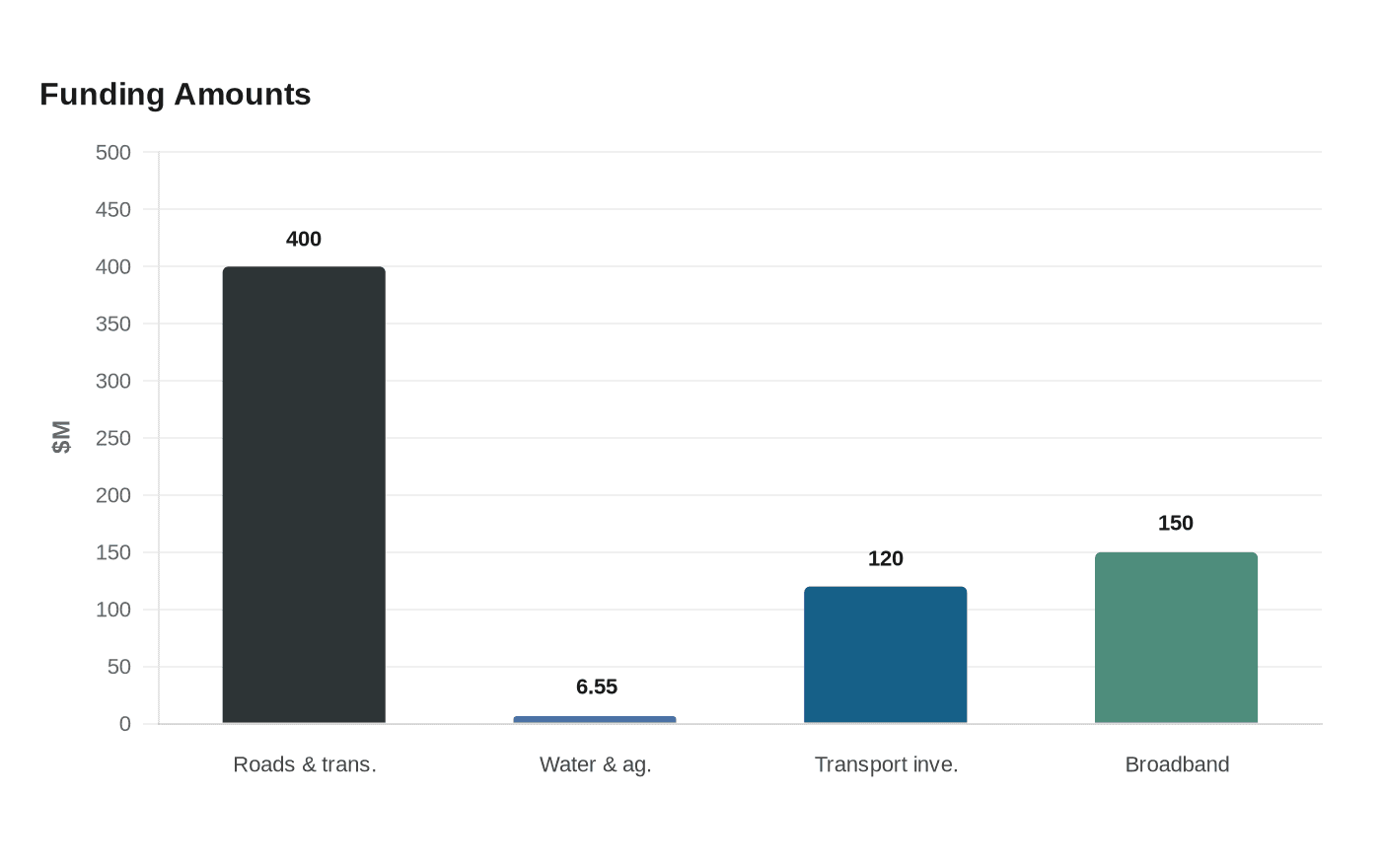
The clearest tension in the meeting was between broad promises and concrete delivery. Navajo Nation leadership has said more than $400 million has been approved for roads and transportation across the Nation under President Buu Nygren’s administration, and that road maintenance has doubled to more than 30 miles per chapter each year. The Nation also says it has filled more than 6,000 potholes. Those figures sound substantial, but they still have to translate into better roads for people who drive to work, school, clinics and trading posts every day.
Drought and water access are still the sharpest pressure points
The water discussion was sharpened by the Navajo Nation’s June 10, 2026 drought emergency declaration, which said severe and ongoing drought conditions were affecting communities across the Nation. Along with that declaration, the Nation proposed $6.55 million for water and agriculture infrastructure. For families who depend on hauled water, aging lines, or unreliable systems, that amount is a start, not a finish. It shows the scale of the problem more than it solves it.
Montezuma Creek is already tied to a larger water-rights framework that puts the issue in long-term terms. Work on the Navajo Utah water settlement there includes a legal structure that secures 81,500 acre-feet of water for Navajo communities in Utah. That settlement work gives the agency a clearer claim to water, but it also highlights the gap between legal rights and physical access. Water rights do not repair pipes, drill wells, or move water through an underbuilt system on their own.
Road money is real, but local bottlenecks remain
Transportation was one of the meeting’s most concrete topics because it has already drawn large commitments. During the 2026 Spring Session, Navajo leaders approved a $120 million transportation investment for 59 Navajo communities. The package is intended to cover road construction, bridge improvements, airport infrastructure, road lighting, maintenance projects and transportation safety improvements. That is the kind of investment that can change how far a family has to drive for services, but only if projects move from approval to implementation without getting stuck in procurement, engineering or right-of-way delays.
Curley’s update on transportation funding fit with the broader picture. If roads are still pocked with damage and isolated by weather, then maintenance miles and capital approvals only matter once crews are actually dispatched and projects are sequenced in a way that reaches the hardest-hit chapters first. For McKinley County readers, that question is not procedural. It affects whether school buses, emergency responders and workers can move safely across the same roads leaders are promising to improve.
The broadband piece matters for the same reason. The Navajo Nation has announced nearly $150 million in broadband funding from Arizona, a package described as one of the largest single allocations to any tribal nation in the country. That kind of investment can close gaps in telehealth, schoolwork and public-safety communication, but only if connections reach homes that still struggle with service, affordability or both.
Energy development is being weighed against chapter authority
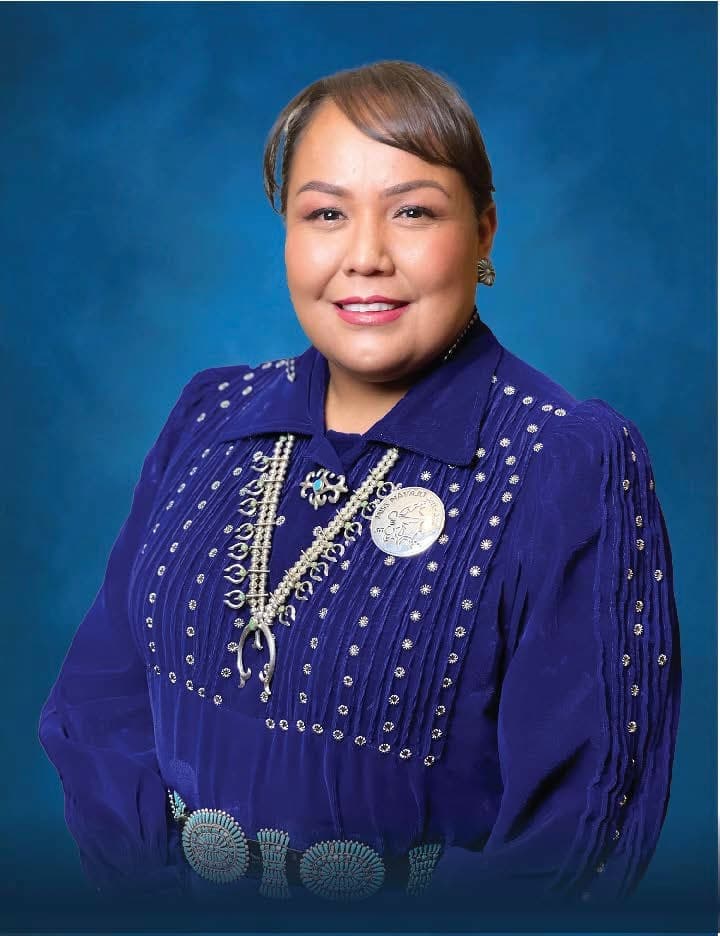
Delegate Rickie Nez focused on rights-of-way for energy development, describing a proposal that would clarify committee authority while preserving existing Navajo law. That issue sits at the intersection of sovereignty, land use and economic development. It is also a reminder that energy projects do not only affect utility-scale planning in Window Rock or elsewhere on the Nation; they can shape local land access, community consent and the pace at which infrastructure is built.
The rights-of-way debate lands alongside a wider Navajo energy agenda that has emphasized sovereignty and long-term economic use of tribal lands. Reclaimed mine lands have been discussed as possible sites for solar, energy manufacturing and jobs, which makes the legal framework around land access more than a technical question. It determines who decides, how fast projects move, and whether communities see a share of the benefit.
Public health came up as a daily-life issue, not a side note
Amber Kanazbah Crotty steered the discussion toward healthcare access, vaccination availability, autism services and culturally responsive care for Navajo families. That focus fits the broader public-health pressures in communities where travel time, staffing shortages and limited specialty care can turn routine treatment into a long trip. Her emphasis on access also mirrors her wider work in youth and community advocacy, where she has pushed data-driven advocacy, mental health awareness, cultural preservation and community engagement.
Health and research professionals also presented on adult pneumonia surveillance, infectious disease monitoring and autism assessment initiatives. Those topics are not separate from the road and water discussions. When clinics are hard to reach, when broadband is weak, or when drought strains household stability, public-health gaps widen fast. Surveillance data and assessment programs only matter if they lead to care that people can actually use.
The test now is whether the priorities reach the chapters
Eugenia Charles-Newton pushed for transparency and public engagement, urging local officials to stay involved in policy decisions. Curtis Yanito brought the conversation back to the basics: water shortages, road maintenance, agriculture and community development projects. Together, those positions reflect the central political question in the Northern Navajo Agency right now, which priorities will be funded, which will be delayed, and which will be left to chapters to fight for one project at a time.
That is the accountability measure for the Montezuma Creek meeting. President Nygren has framed budget messaging around responding to the needs people raise every day, not abstract line items. The council’s challenge is to prove that promise in the places where families need it most, with water lines, safer roads, public-health access and chapter-level decisions that arrive before the next drought cycle deepens the damage.
This article was produced by Prism’s automated news system from verified source data, official records, and press releases, then run through automated quality and moderation checks before publishing. The system is built and supervised by the people who set the standards it runs under. Read our full AI policy.
Did this article answer your question?