Navajo Nation advances federal lease coverage for public safety facilities
Federal reimbursement still sits between Navajo Nation public-safety buildings and real service, with police, detention and court facilities waiting on approval.
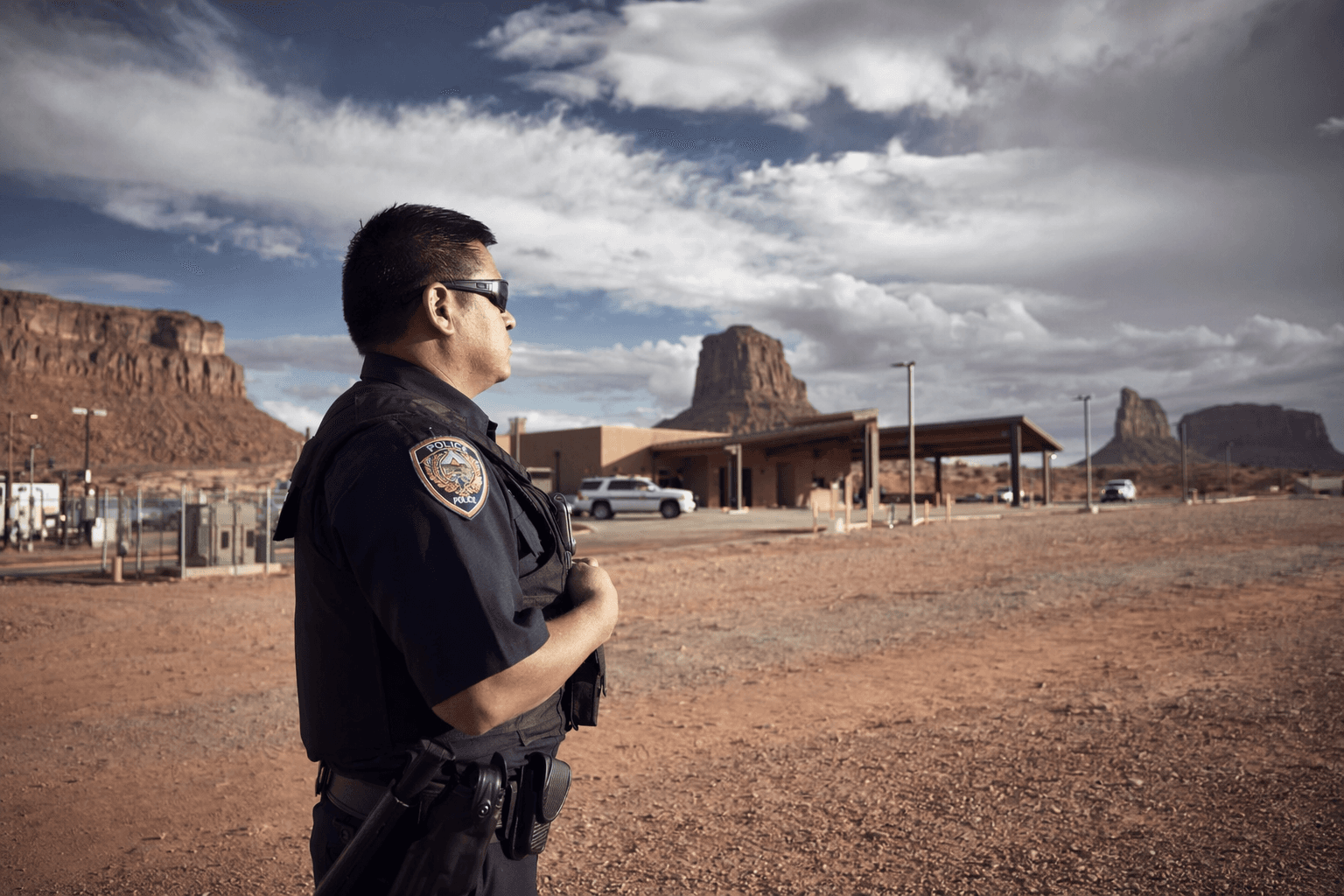
Paperwork, reimbursement formulas and federal approval still stood between Navajo Nation public-safety buildings and the money that could keep them operating more securely and more consistently.
The Navajo Nation Law and Order Committee received an update on May 4 from the Navajo Nation Department of Justice and the Department of Corrections on progress toward federal 105(l) lease coverage for police, detention and justice facilities. The issue matters because a 105(l) lease is not a standard commercial lease. Under federal Indian affairs rules, it is a reimbursement agreement tied to facilities used to carry out self-determination programs, and those payments can help tribes cover operating costs that would otherwise strain public safety budgets.
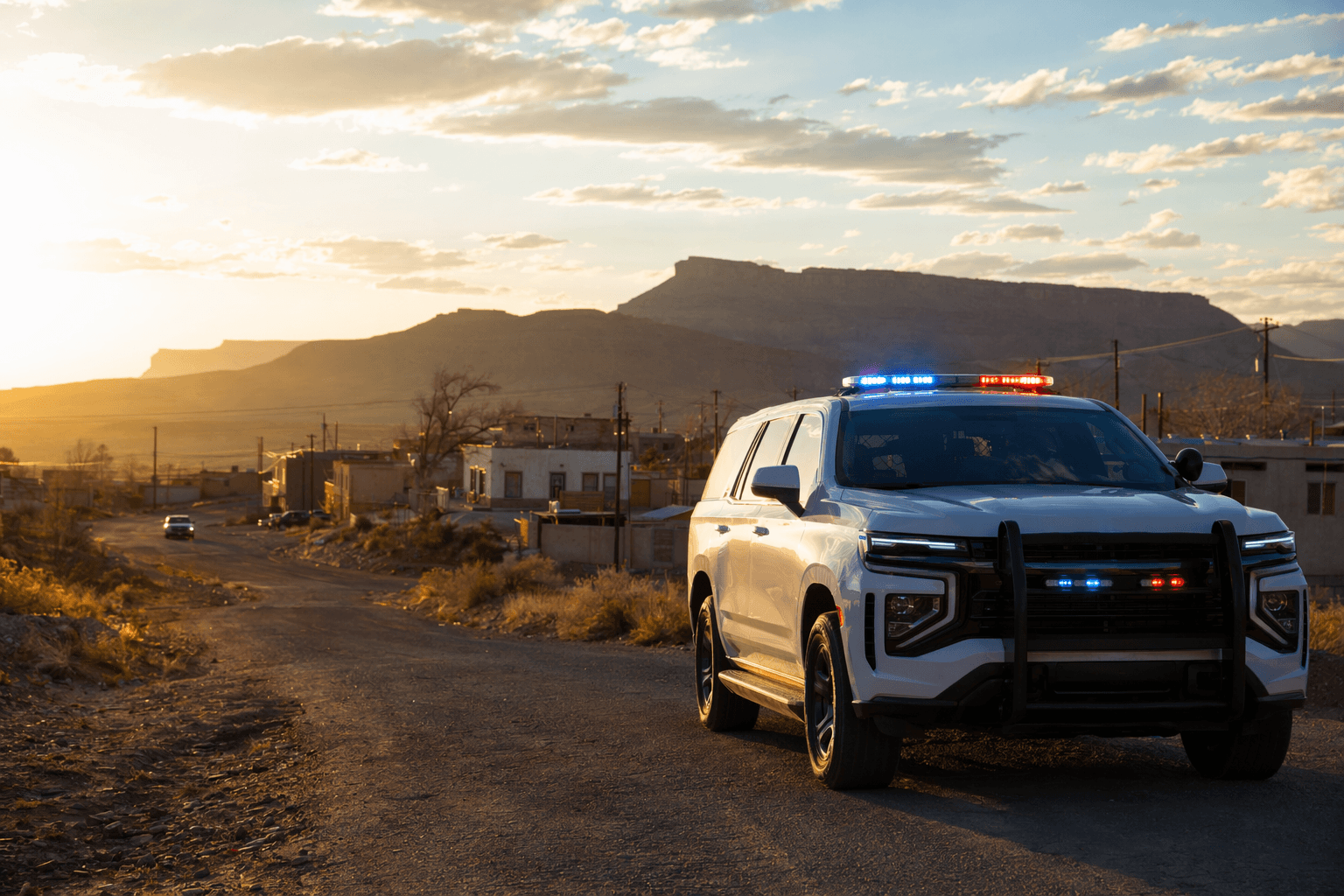
The remaining hurdles are procedural, but they carry practical consequences. The Bureau of Indian Affairs’ Office of Tribal Leases says the program can reimburse costs such as rent, depreciation, principal and interest, utilities, insurance, custodial work, fire protection and security-system maintenance. For the Navajo Nation, that means the difference between a facility that is merely listed on paper and one that can be supported with a steadier funding stream for law enforcement, detention and justice services.
LOC Chair Eugenia Charles-Newton has pushed the committee to treat the lease work as an infrastructure priority, not just an administrative exercise. That approach reflects the broader reality across the Navajo Nation: public safety funding does not stop at the boundaries of one department or one building. It affects whether officers, detention staff and court operations have the physical space and support systems they need to serve communities in and around Gallup and across McKinley County.
The federal structure behind the effort is well established. The legal authority sits in 25 U.S.C. § 5324(l), and Interior guidance says tribes carrying out federal functions under self-determination contracts or self-governance compacts may enter into these leases for tribally owned or rented facilities. Still, the pace of implementation has remained a pressure point. The Congressional Research Service reported that BIA’s 105(l) program grew from 3 leases in 2019 to 93 tribes by the time of its report, showing how quickly demand for the program has expanded.
The budget picture also helps explain why the issue remains politically sensitive. The U.S. Department of the Interior’s fiscal 2026 budget fully funded $138.3 million for Payments for Tribal Leases, and Interior budget documents have supported making 105(l) payments mandatory spending. Navajo Nation Speaker Crystalyne Curley said in May 2025 that some districts had not received their 2024-2025 payments and urged Congress to make the funding mandatory so tribes could plan more reliably.
The Navajo Nation Council has already tied public safety facilities to long-term planning, approving a Judicial/Public Safety Facilities Fund priority list for fiscal 2023 and fiscal 2024. The Law and Order Committee’s special meeting on May 4 and later May meetings showed the lease effort was part of an active workstream, not a one-time briefing. For McKinley County residents, the stakes are concrete: faster law enforcement coverage, more dependable detention capacity and better access to justice still depend on turning federal lease progress into approved facilities on the ground.
This article was produced by Prism’s automated news system from verified source data, official records, and press releases, then run through automated quality and moderation checks before publishing. The system is built and supervised by the people who set the standards it runs under. Read our full AI policy.
Did this article answer your question?