Navajo Nation creates elder advisory commission to strengthen services
A new Navajo elder advisory commission could shape rides, caregiver help and benefits access for families in Gallup, Church Rock and Zuni, where services often span long distances.
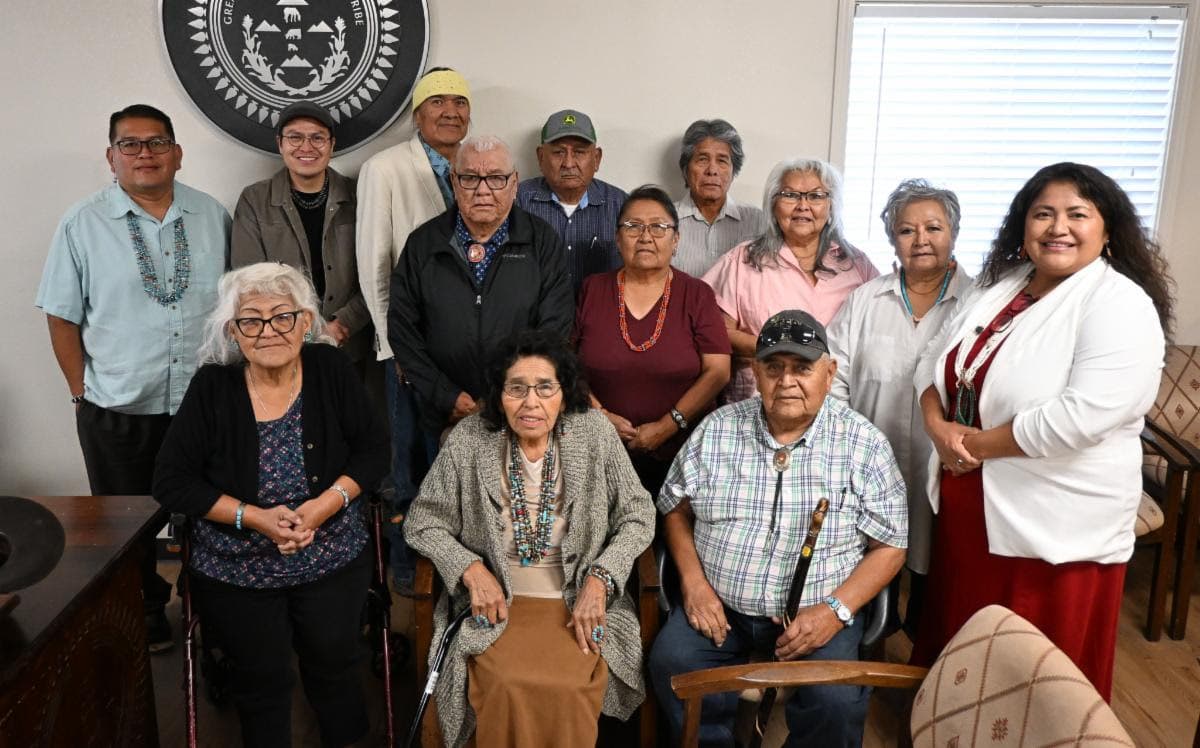
In McKinley County, the real test for elder services is not whether another body exists on paper, but whether a Navajo grandmother can get transportation, reach benefits help and find caregiving support before a crisis. That is the pressure behind a new Navajo Aging Advisory Commission, created to keep older Diné citizens from getting lost in a system stretched across large distances and multiple communities.
The Health, Education and Human Services Committee approved Legislation 0111-26 on June 15, amending the plan of operation for the Division of Aging and Long Term Care Support and establishing the new commission, along with its policies and procedures. The measure, sponsored by Delegate George H. Tolth and co-sponsored by Delegate Andy Nez, was intended to align Navajo aging services more closely with the Older Americans Act and give elders a formal voice in how services are planned and delivered.

The commission will operate within the Navajo Department of Health’s Division of Aging and Long Term Care Support, which says its mission is to promote healthy independent living for elders. The division works through five agency offices in Chinle, Crownpoint, Fort Defiance, Shiprock and Tuba City, and says the Nation has 81 senior centers, with some centers serving two to three communities. It also coordinates the Family Caregiver Support Program, the Foster Grandparent Program and the Ombudsman Program. Many services begin at age 60 under the Older Americans Act, while some New Mexico-funded services begin at age 55.
For families in and around Gallup, Church Rock and Zuni, the new commission matters because senior services often depend on a patchwork of centers, offices and caregivers spread over a wide geographic area. The commission is supposed to advise the division on policy, hold regular and special meetings, provide a place for public participation and share information on issues affecting elders. That gives it the potential to do more than comment from the sidelines. It could become a place where transportation gaps, food access, utility concerns and caregiving strain are raised before they become emergencies.
The Navajo Nation Council has already heard how fragile that system can be. In a Sept. 18, 2024 oversight meeting, delegates raised concerns about food insecurity, budget delays and low expenditure rates in the division. In October 2024, officials discussed a $148,681,632.40 amount earmarked for the division that was still pending approval, a reminder that services can stall even when money is identified. That history makes the new advisory commission an accountability test: families will be watching for shorter delays, clearer communication and proof that elders in local communities are actually being reached.
This article was produced by Prism’s automated news system from verified source data, official records, and press releases, then run through automated quality and moderation checks before publishing. The system is built and supervised by the people who set the standards it runs under. Read our full AI policy.
Did this article answer your question?