Navajo Nation opens public budget hearings for fiscal year 2027
McKinley County residents still have five more chances to shape Navajo Nation FY2027 spending after the San Juan Chapter House hearing.
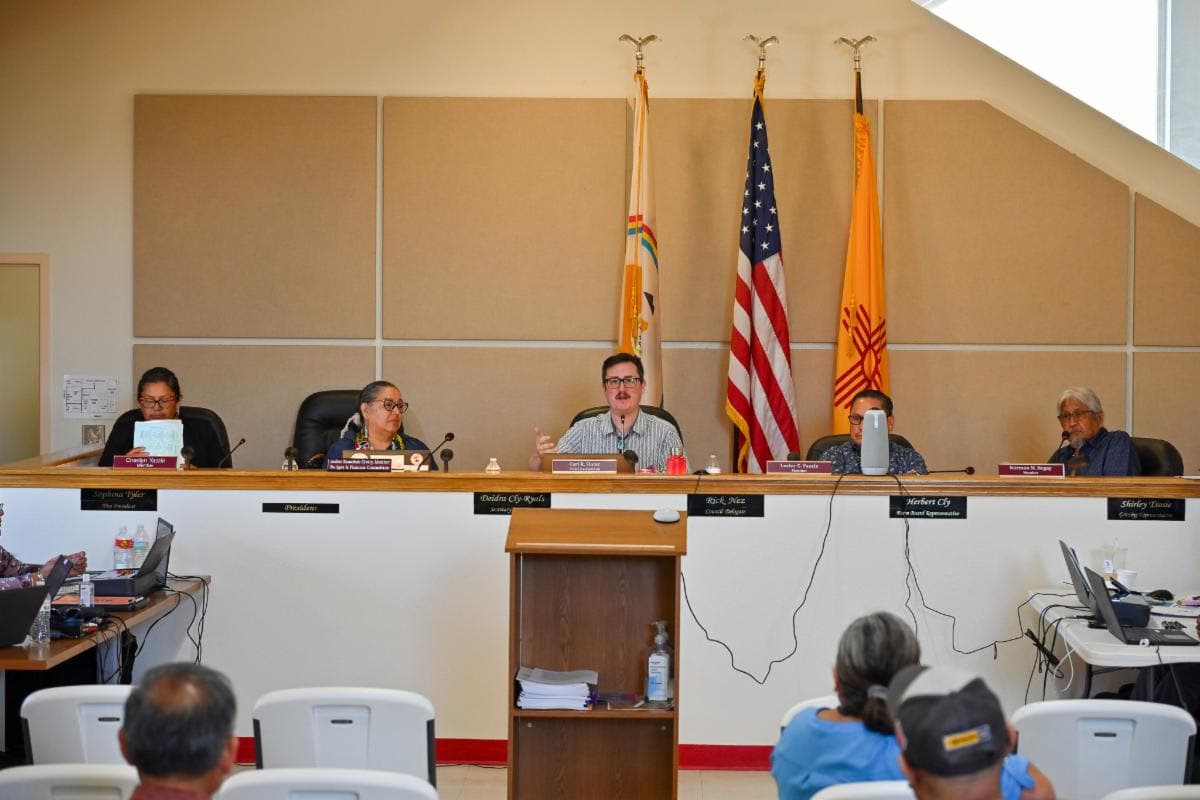
McKinley County residents still have a narrow window to press for roads, services and chapter funding before Navajo Nation leaders lock in Fiscal Year 2027 priorities. The Budget and Finance Committee opened the public process June 5 at San Juan Chapter House in Lower Waterflow, giving local communities their first chance to push back on how money will be divided.
The hearing began at 10 a.m. at San Juan Chapter, located on Navajo Route 36 at Mile Marker 12, with Shaandiin Parrish presiding as chairperson and Carl R. Slater serving as vice-chairperson. Committee staff outlined how the comprehensive budget is built, then took testimony from residents under a five-minute limit per speaker, with priority given to people attending in person. The session also was made available by livestream and Zoom, widening access for people who could not make it to the chapter house.
Presentations came from the Office of Management and Budget, the Office of the Controller and the Office of Legislative Services. The process was explained in both English and Navajo, a detail that mattered in a county where many budget decisions reach rural chapter communities long before they reach Window Rock. Written testimony from the hearing will be compiled into the FY2027 Comprehensive Budget Report sent to the Navajo Nation Council.
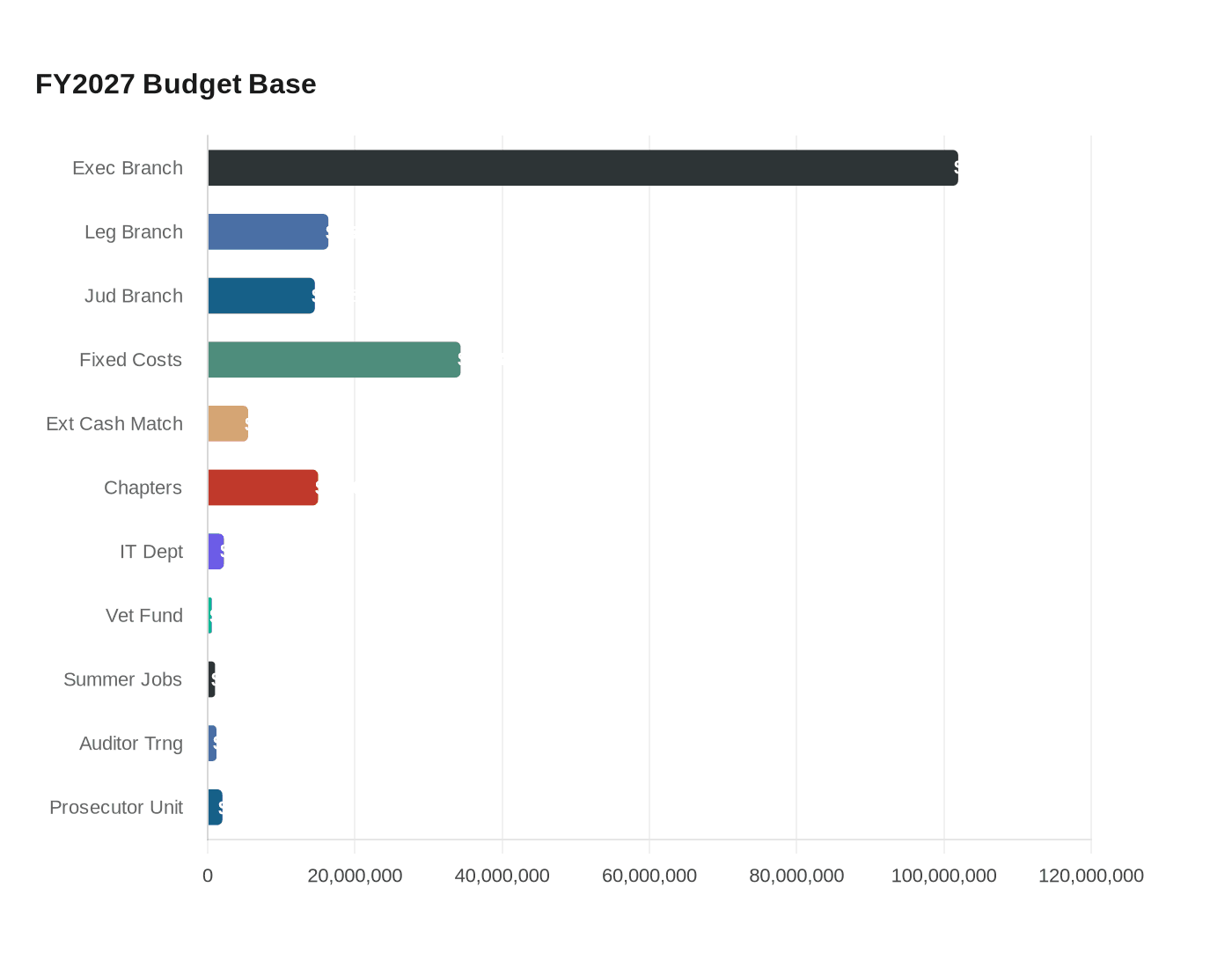
The committee’s FY2027 Budget Instructions Manual shows it is using four years of expenditure data from FY2022 through FY2025 to shape the next budget. That framework puts fixed costs and direct services ahead of unmet-needs requests, a signal that the opening round of decisions will determine how much room remains for schools, roads, public safety and chapter-level programs.
The planning base amounts laid out in the manual include $34,354,705 for fixed costs, $5,500,000 in external fund cash match, $101,933,403 for the Executive Branch, $16,397,000 for the Legislative Branch and $14,552,000 for the Judicial Branch. It also sets $15,000,000 for chapters’ non-administrative costs, $2,213,738 for the Department of Information Technology, $550,000 for the Chapter Veterans Fund, $1,000,000 for summer youth employment, $1,200,000 for Office of the Auditor General training and $2,000,000 for the Office of the Prosecutor White Collar Crime Unit.
More hearings are already on the calendar, all at 10 a.m.: June 22 at Casamero Lake Chapter, June 24 at St. Michael’s Chapter House, June 29 at Tonalea Chapter, June 30 at Goulding Lodge and July 1 at the NTUA Chinle District Office. A June 5 agenda also set discussion of annual revenue projections, FY2025 and FY2026 expenditure rates and the Unreserved, Undesignated Fund Balance, the money left in the General Fund after expenses, debts and liabilities are paid.
The hearing came amid questions about the Nation’s capacity to meet local needs with its existing resources. Controller Sean McCabe told the committee the Navajo Nation holds roughly $10 billion in investments, while about $58 million went unspent last fiscal year out of roughly $313 million budgeted for the three branches. The four-hour hearing also drew concerns from the Northern Navajo Agency over oil royalties, elections, illegal dumping and underfunding at the chapter level, underscoring how budget choices in Window Rock will shape daily life across McKinley County and beyond.
This article was produced by Prism’s automated news system from verified source data, official records, and press releases, then run through automated quality and moderation checks before publishing. The system is built and supervised by the people who set the standards it runs under. Read our full AI policy.
Know something we missed? Have a correction or additional information?
Submit a Tip